THE West Coast Expressway (WCE) Section 3 land dispute in Kampung Jawa, Klang has stretched into its second year, and it’s no longer just a delay; it’s a signal flare that Malaysia is flirting dangerously with substituting legal certainty for political theater. As a former solicitor and a strategic communication professional, I have been watching this unravel, and it isn’t pretty.
The WCE is more than a road. It’s an economic artery connecting industrial zones to Port Klang, carrying over 10,000 haulage trucks daily. Section 3, linking the Shah Alam Expressway to the Federal Highway, is a linchpin. But despite compensation being disbursed under the Land Acquisition Act, a minority refusing to yield possession has stalled the project. And like a pebble in the machine, the whole system grinds to a halt.
The ripple effects are real: hauliers are rerouting via slower roads, consumption of fuel skyrockets, maintenance costs spike, and those costs get passed to consumers. More ominously, investors are reading from this script. When governance can’t honour the law or enforce acquisitions efficiently, confidence frays.
Consider past cases where sentiment was weaponised over legal rights. The long-running Seafield Temple at One City Development saga is a cautionary tale: although the courts granted the developer rights to relocate based on land titles, but local protests, political lobbying, and public sentiment stalled the move. Or recall the Sagong Tasi decision, where Orang Asli customary land rights prevailed over state claims — but decades of struggle followed before reality matched the legal verdict. In both cases, legal outcomes were clear, but execution was delayed or politicised. The result? Public interest is downgraded, and the rule of law becomes negotiable. And this pattern is corrosive to development, fairness, and national credibility.
When politicians bend to a vocal few or when lawyers advise clients to drag a project via procedural appeals rather than counsel real compromise, we send the wrong message: legal decisions are optional if public clamour is loud enough. Worse, it invites abuse, where developers bleed money while some stakeholders treat litigation as a profit center, derailing progress, delaying jobs, and punishing the broader public.
This isn’t just about WCE. Every day of delay is a tax on the nation’s economic competitiveness. It conditions the public and private sectors alike to expect that popular protest can override signed agreements. That’s a recipe for chaos, not governance. Politicians, governments, and yes, legal advisors, must recall that their highest duty is to the wider public interest - not pandering to petitions masquerading as justice.
It’s time to demand less posturing and more principle. Enforce the law, finalise land possession, and bring in enforcement where necessary. But do so openly: publish the methods, the valuations, the timelines, the communications. Let no citizen say, “I didn’t know why my land was held, or why my project was punished.” That transparency builds trust; secrecy breeds suspicion.
So yes, the WCE Section 3 hassle is a crisis. But its deeper meaning is strategic: this is a test of Malaysia’s capacity to uphold legal certainty above political theatrics. Every day we fail it, investors shudder. Every day we delay, public faith frays. It is time for legal rights to matter more than loud voices. For sentiment to respect statutes. For Malaysia’s next chapter to be written not in protests, but in predictable, principled governance.
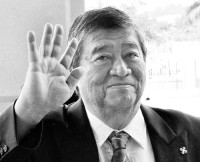
Professor Said Bani
President, Public Relations & Communications Association (Malaysia)
Mentor, Public Relations Practitioners Society of Malaysia
Board of International Advisors, WCFA Davos



_twitter_pic_01022021.PNG)
.jpeg)