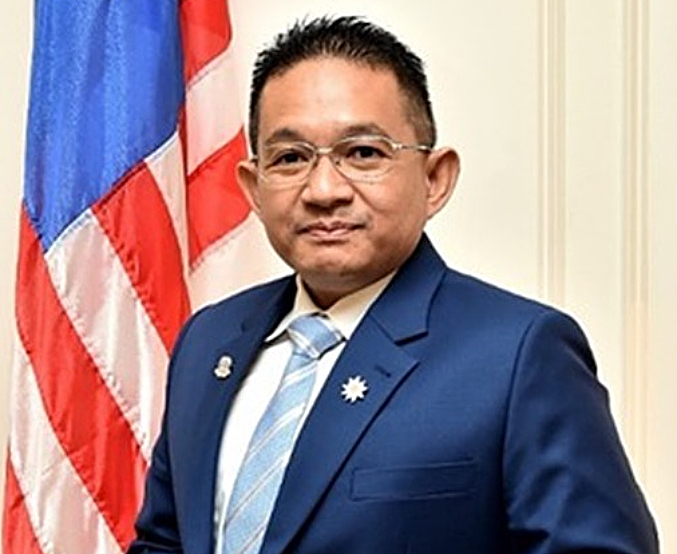
THE ongoing military escalation in the Middle East may evolve into one of the most disruptive economic shocks since the COVID-19 pandemic, placing renewed strain on Malaysia’s economy and exposing the vulnerabilities of highly interconnected global markets, Commander (H) Datuk Seri Dr. Irmohizam Ibrahim cautioned on Friday.
The Group Managing Director of World Trade Centre Kuala Lumpur (WTCKL) and who also serves as a Board Member of the World Trade Centers Association (WTCA), said many Malaysians were only beginning to stabilise after years of pandemic-related disruption when the world was suddenly confronted by another destabilising geopolitical crisis.
According to him, the conflict has already started disrupting international markets, supply chains and energy prices, while uncertainty surrounding the duration and scale of the war continues to fuel anxiety among governments and investors worldwide.
The crisis initially centred on military action targeting Iran before rapidly expanding across the Middle East following retaliatory actions by Tehran, intensifying instability throughout the region.
Irmohizam noted that warnings regarding the economic dangers of such a conflict had already been issued by the World Bank nearly a year ago.
Referring to comments published by Asharq Al-Awsat, who said World Bank regional director Safaa El Tayeb El-Kogali had warned that any confrontation involving Iran and Israel could result in “lasting and severe effects” extending far beyond the energy sector.
Those effects, he said, included rising shipping costs, intensifying inflationary pressures and greater uncertainty among international investors.
“Today, those concerns have become reality,” Irmohizam wrote, arguing that fears once viewed as hypothetical had now become an unfolding global reality.
He stressed that Malaysia’s dependence on international trade meant the country could not isolate itself from the ripple effects generated by major geopolitical and economic crises.
Over the past three decades, Malaysia has weathered repeated global shocks ranging from the Asian Financial Crisis and the dotcom collapse to the global financial crisis, the European debt crisis, the COVID-19 pandemic and the recent wave of global inflation and interest rate hikes.
The latest Middle East conflict, coupled with continuing instability arising from the Russia-Ukraine war, threatens to deepen uncertainty surrounding energy security, inflation and food supply chains.
Irmohizam described the current war as a critical test of Malaysia’s long-term resilience and preparedness in confronting another major global disruption.
He warned that ordinary Malaysians were already beginning to feel the impact through rising living costs and fuel-related policy changes.
Beginning 1 April 2026, the government reduced the subsidised RON95 petrol quota from 300 litres to 200 litres per month as part of temporary measures aimed at managing mounting fiscal and energy pressures.
While the policy adjustment was described as temporary, Irmohizam said concerns were growing over the longer-term implications should the conflict continue escalating.
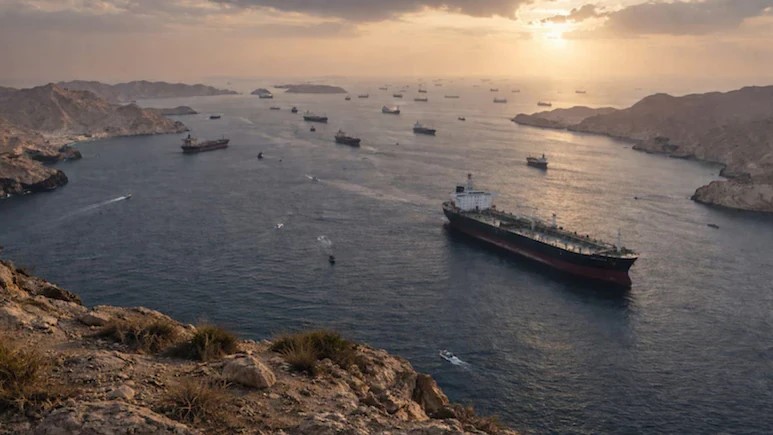
Economists, he noted, have projected that global oil prices could surge to as high as US$150 per barrel if disruptions around the Strait of Hormuz persist for another month, potentially triggering severe inflationary consequences worldwide.
The Malaysian government is reportedly assessing various economic stimulus measures while considering additional interventions to contain inflation, stabilise prices and protect vulnerable communities from worsening cost-of-living pressures.
Discussions have also emerged regarding the possibility of a special parliamentary sitting to examine the broader economic impact of the conflict and coordinate responses between federal and state authorities.
Irmohizam said support measures should prioritise lower and middle-income households most vulnerable to inflationary pressures, particularly through targeted subsidies, food assistance and direct cash aid.
At the same time, he argued that the crisis highlighted the urgent need for Malaysia to accelerate its transition towards renewable and sustainable energy systems in order to reduce long-term exposure to global oil market volatility.
He added that the conflict also exposed deeper structural weaknesses within the global financial system while reinforcing the importance of economic diversification and effective fiscal and monetary coordination during periods of instability.
Quoting Anwar Ibrahim during the Malaysia Madani Scholars Forum Series 9, Irmohizam pointed to the Prime Minister’s warning that the country was entering unfamiliar territory amid mounting geopolitical uncertainty.
“We are now entering a somewhat unexplored situation, with entirely new challenges,” Anwar said.
Drawing on Malaysia’s experience navigating repeated economic and political upheavals over the past six decades, Irmohizam concluded that both the government and the public must now focus on strengthening national resilience to withstand what could become another prolonged period of global economic instability. - May 15, 2026