By Murray Hunter
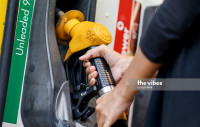
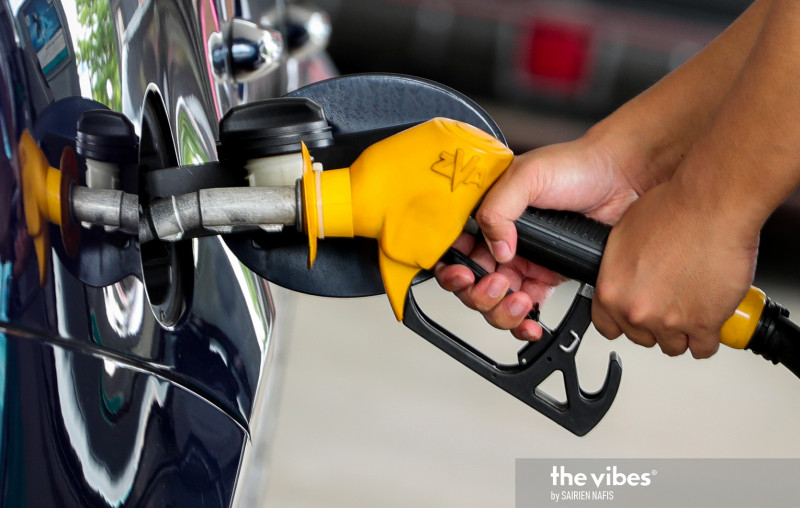
MALAYSIA’S petrol subsidies, particularly for RON95, represent one of the largest fiscal commitments in the national budget.
In recent years, subsidy spending has increased significantly, reaching tens of billions of Malaysian Ringgit annually and accounting for a substantial portion of government operating expenditure.
While intended to ease the cost of living, these blanket subsidies are economically inefficient, socially regressive, and fiscally unsustainable.
Removing them and redirecting the savings directly to the poor through targeted cash transfers or enhanced social programs would promote equity, fiscal responsibility, and long-term economic resilience.
The primary flaw of universal petrol subsidies is their regressive nature.
Higher-income households and individuals own more vehicles, drive more, and consume disproportionately larger amounts of fuel.
Studies consistently show that the wealthy capture the bulk of the benefits.
For instance, analyses indicate that the top consumers, often from higher income brackets, receive a far greater share of the subsidy value than the B40 (bottom 40%) group.
A blanket subsidy thus functions as an indirect transfer to the rich, subsidising luxury consumption, such as larger cars and frequent travel, while providing only marginal relief to low-income families who may rely on public transport or motorcycles.
This misallocation strains public finances. Fuel subsidies have at times exceeded 20% of government expenditure or several per cent of GDP, crowding out critical investments in education, healthcare, infrastructure, and poverty alleviation.
Every ringgit spent on subsidies is a ringgit not spent on building schools, hospitals, or improving public transportation, which is an area that yields higher long-term returns for the poor.
Past reforms, such as those in 2013-2014, demonstrated that savings could fund expanded cash assistance programs like BR1M, which has now evolved into initiatives like Bantuan Sara Hidup, directly supporting millions of vulnerable households.
Redirecting funds creates a more progressive outcome: targeted support reaches those who need it without leaking to the affluent.
Economically, subsidies distort markets and incentives.
Artificially low prices encourage overconsumption, fuel smuggling to neighbouring countries, and inefficient energy use across industries and households.
They lock the economy into low-productivity, energy-intensive patterns and slow the transition to fuel-efficient vehicles, hybrids, or EVs.
Removing subsidies allows prices to reflect true market costs, with a managed float mechanism which promotes conservation, innovation, and competition.
Computable general equilibrium models suggest that full or partial removal, paired with compensation, can boost GDP, exports, and efficiency over time by reducing fiscal drag and reallocating resources productively.
Critics argue that removal would raise the cost of living and hurt the poor through higher transport and goods prices.
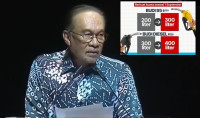
This concern is valid but addressable. Indirect effects on food, housing, and transport costs can be mitigated through direct cash transfers calibrated to income levels, usage caps (as in BUDI95 programs), and investments in public transport.
Malaysia’s ongoing shift toward targeted subsidies, such as removing benefits for T20/T15 earners and capping usage, shows a practical path forward.
Phased implementation, transparent communication, and complementary measures like anti-profiteering laws further reduce shocks.
Evidence from prior partial reforms indicates that well-designed mitigation prevents widespread hardship while delivering fiscal savings.
Environmentally, subsidy removal aligns with sustainability goals.
Cheap petrol exacerbates pollution, traffic congestion, and carbon emissions.
Higher prices incentivise greener choices, supporting Malaysia’s climate commitments and reducing long-term health and environmental costs borne disproportionately by lower-income communities.
Redistributing savings to the poor offers superior welfare outcomes.
Direct cash transfers empower recipients to allocate funds according to their needs, whether for food, education, or healthcare, rather than forcing expenditure on subsidised fuel.
This approach minimises leakage, administrative waste, and market distortion.
Savings could also bolster social safety nets, skills training, or rural development, addressing structural poverty more effectively than price controls.
Models show that combining subsidy rationalisation with cash support and sector investments (education, health, transport) can protect vulnerable groups while generating net positive economic and social gains.
Politically, the move is challenging due to public attachment to low prices. However, Malaysia has successfully implemented targeted reforms for diesel and begun for petrol.
Sustained communication emphasising fairness, “ending subsidies for the rich to help the poor”, along with visible improvements in public services, can build electoral support.
Regional peers and global experiences, such as Indonesia’s phased approaches, clearly demonstrate that gradual, compensated reforms are feasible.
This could become an election issue that may pick up support from economically marginal communities across the board.
Malaysia’s petrol subsidies are a blunt, costly instrument inherited from previous political administrations that disproportionately benefit the wealthy, burden the budget, and hinder efficiency and sustainability.
Removing them frees substantial resources, potentially billions annually for direct redistribution to low-income households via cash aid, enhanced welfare, and productive investments. This reform would foster a more equitable, dynamic, and resilient economy.
With careful phasing, robust safety nets, and public engagement, Malaysia can transition from inefficient universal handouts to smart, targeted support that truly uplifts the poor.
The time for comprehensive rationalisation is now, turning fiscal necessity into an opportunity for inclusive growth. – May 29, 2026