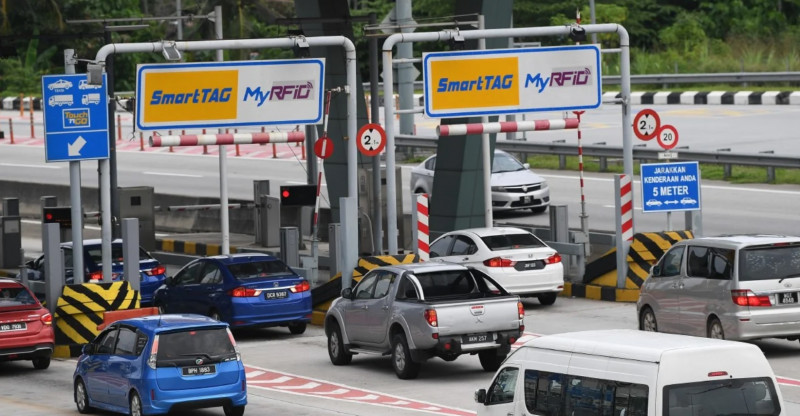
Malaysia’s dual system of heavily subsidising RON95 petrol while simultaneously extracting tolls on the nation’s expressways represents one of the more conspicuous policy contradictions of recent decades.
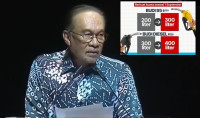
Eligible citizens currently pay RM1.99 per litre under the BUDI95 scheme, while the unsubsidised market rate sits near RM4.57. At the same time, motorists navigating the Klang Valley or inter-city routes hand over RM2–3.50 at successive plazas on LDP, DUKE, MEX, AKLEH and other highways.
For a typical Keramat-to-Petaling Jaya commuter, the monthly bill for subsidised fuel and tolls roughly balances around RM200.
This parity is not a coincidence; it is the visible symptom of an inefficient fiscal arrangement that the government should now seriously reconsider abolishing in one coordinated stroke.
The core proposal is straightforward. End the RON95 and diesel subsidies.
Redirect the substantial fiscal savings into a structured buy-out or compensation package for the toll concessionaires.
Many of these operators are government-linked companies or entities over which Putrajaya already exercises significant influence through equity stakes, regulatory oversight and historical concession agreements; the transaction need not be adversarial.
The government can negotiate accelerated amortisation, revised concession periods or outright acquisition of residual rights.
Once compensated, the plazas come down, and the expressways return to free public use.
Roads revert to what they should be in a functioning market economy: infrastructure whose capital cost is recovered through general taxation and whose marginal use is priced through the true cost of fuel.
The fiscal arithmetic is compelling. Targeted fuel subsidies still impose a heavy burden on the federal budget even after the shift to BUDI Madani.
Removing them frees resources that can simultaneously retire contingent liabilities embedded in toll concessions and reduce the need for further borrowing.
Malaysia’s public debt trajectory remains a structural concern, where every ringgit no longer spent on consumption subsidies or concession compensation is a ringgit that does not compound into future interest payments.
The exercise would also eliminate layers of administrative cost such as MyKad verification systems, quota monitoring, weekly price announcements, and the bureaucratic machinery required to manage both subsidy distribution and toll regulation.
Higher pump prices would transmit an immediate and honest price signal. Motorists would confront the full social cost of driving: fuel, congestion externalities and environmental impact. Unnecessary trips will decline, encouraging car-pooling, public transport and remote work to become relatively more attractive.
This behavioural shift aligns directly with the government’s stated policy preference for electric vehicles.
When petrol costs RM4.50-plus per litre, the total cost of ownership comparison between internal-combustion and electric vehicles tilts more decisively toward the latter, accelerating the transition that multiple ministries claim to support.
The market, rather than additional fiscal incentives or regulatory mandates, does much of the educational work.
Critics will raise the familiar objections of regressivity and political pain.
Yet the current system is itself regressive in subtle ways, where middle-class households with higher vehicle usage capture a disproportionate share of the subsidy, while the poorest Malaysians, many without cars, receive little direct benefit.
A clean abolition paired with transparent cash transfers or expanded public transport investment would be more progressive and less distortionary. Politically, the move requires courage.
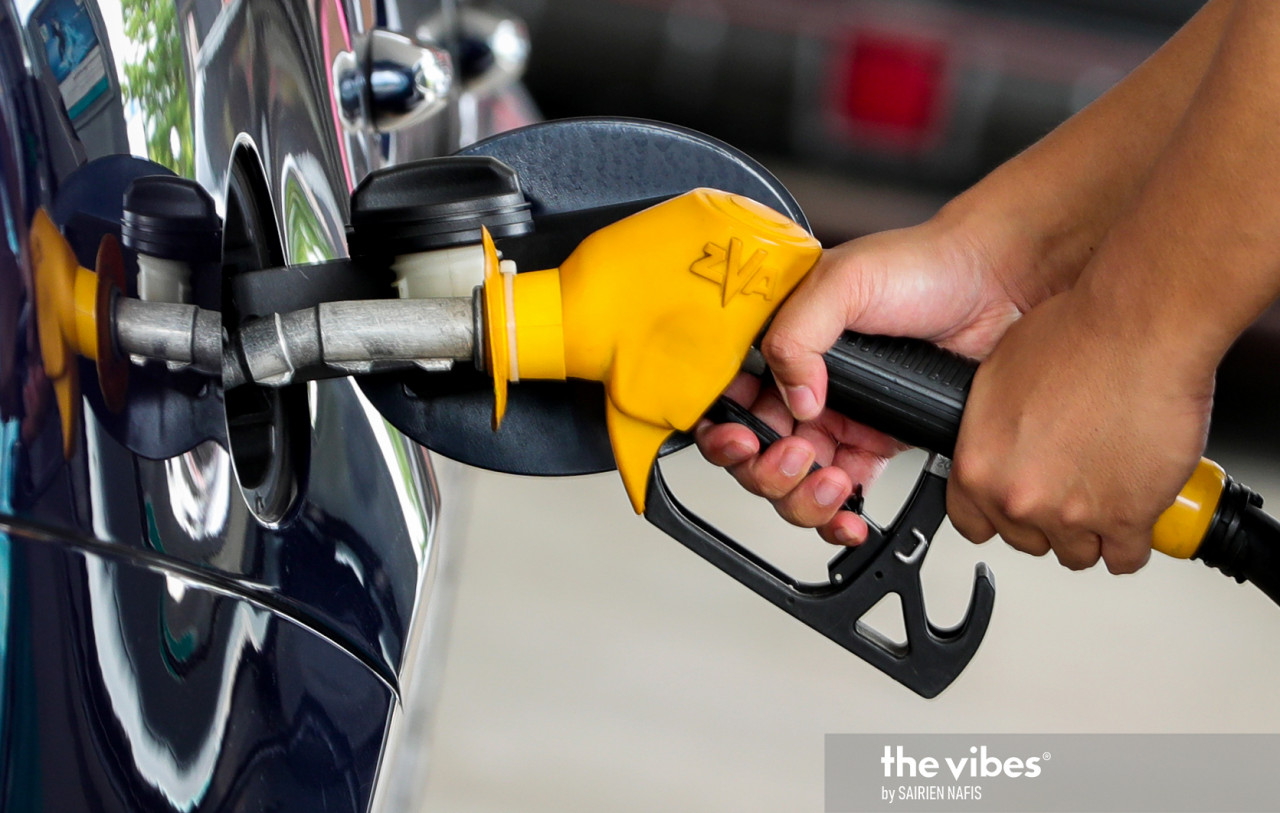
Successive administrations have preferred the quiet comfort of weekly price adjustments and deferred toll hikes financed by compensation payments.
That comfort has produced a growing stock of contingent liabilities and a public conditioned to expect artificially cheap fuel.
Returning roads to free use would also dissolve a network of indirect economic costs.
Logistics firms currently embed toll expenses into freight rates, as these costs cascade into retail prices.
Commuters absorb both fuel and toll outlays that could otherwise support household consumption or savings.
The dual system creates compliance overhead, enforcement costs and opportunities for leakage.
A single coherent policy where market fuel prices and toll-free expressways will remove these frictions.
The concessionaires, being largely GLC or GLC-adjacent, are not independent private parties immune to national interest considerations.
The government already intervenes regularly through rate freezes, compensation packages and policy directives.
Completing the logic by retiring the concessions is an extension of existing practice, not a radical departure.
What is radical in such a plan is the willingness to let prices perform their allocative function and to stop using the public balance sheet to subsidise both consumption and the private (or quasi-private) collection of road user charges.
Malaysia can continue managing symptoms by regularly adjusting subsidy quotas, absorbing toll compensation, announcing temporary freezes, or it can address the underlying contradiction.
Abolishing both the fuel subsidy and the toll regime in a single, carefully sequenced reform would reduce fiscal pressure, restore price signals, encourage more efficient mobility choices and advance the EV agenda without additional layers of industrial policy.
The roads would once again function as public goods whose use is disciplined by real resource costs rather than by an elaborate and expensive system of cross-subsidies.
That outcome is closer to a free-market environment than the present hybrid of artificial cheapness and gated highways. It deserves serious consideration. – September 26, 2026