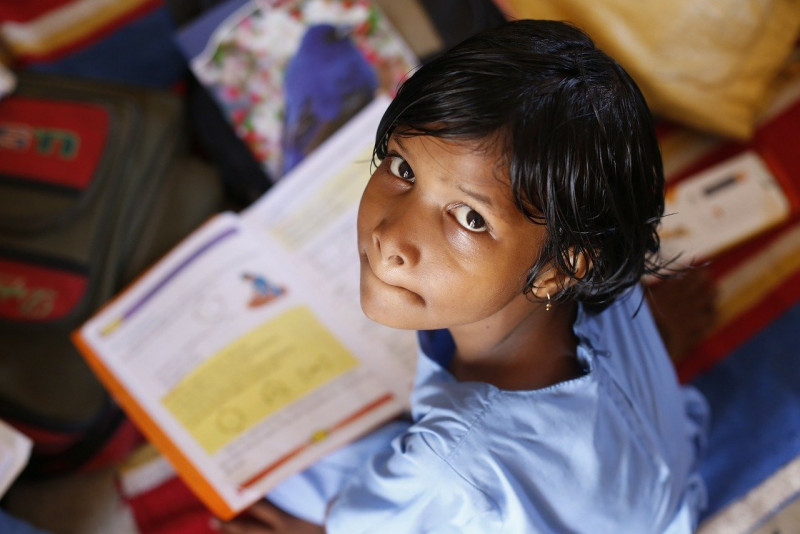

A CHILD refusing to sit beside a classmate because of their religion is not something adults should dismiss as a childish disagreement.
The concern was raised in Parliament by Puncak Borneo MP Willie Mongin, who said a teacher had approached him about students refusing to sit next to Christian classmates because they eat pork and wear a cross.
The account raises an uncomfortable question for Malaysia: how do children come to see another person’s faith as a reason to keep their distance?
Children learn about the world from the adults around them. They listen to conversations at home, observe how people behave towards those who are different and increasingly encounter opinions and claims through social media.
They may not understand the origins of prejudice, but they can absorb it long before they are old enough to question it.
We do not know what prompted the behaviour described by Willie, or how widespread such incidents might be. But the concern itself deserves attention.
If a child regards a classmate’s religious practices as a reason for exclusion, there is a lesson to be taught — not only to the child, but to the adults responsible for helping them understand the world around them.
Telling children to respect one another is easy. Teaching them what that means in practice is harder.
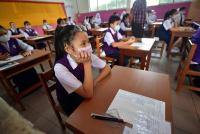
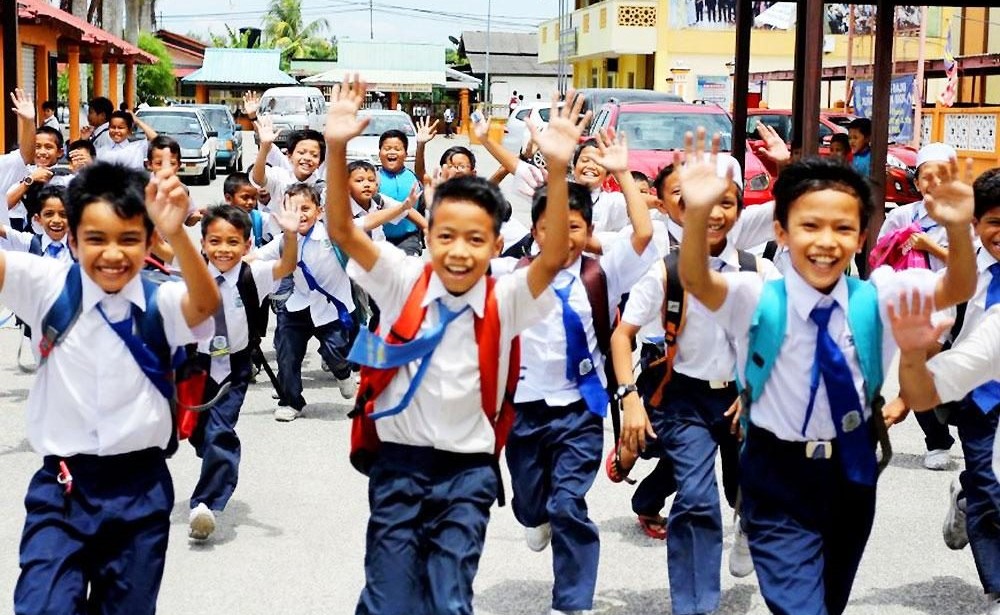
Malaysia’s schools bring together pupils from different backgrounds, but being in the same classroom does not necessarily mean children understand one another. Meaningful interaction matters.
So does the example set by parents, teachers and other adults, particularly when conversations about race and religion become divisive.
Children should be able to practise their own faith without being made to feel that respecting another person’s beliefs somehow compromises their own.
A Christian child wearing a cross, for instance, should not have to defend that choice to classmates. Nor should a child’s dietary practices become a reason to exclude them.
Respect does not require everyone to share the same beliefs. It requires recognising that others have the same right to their beliefs and dignity.
That lesson becomes harder to teach when children encounter hostility towards other communities beyond the school gates.
Public arguments about race and religion, along with provocative online content, can reinforce the idea that differences are something to fear.
Children who lack the maturity to assess what they see may accept stereotypes without understanding the harm they cause.
This is where digital literacy must mean more than knowing how to use the internet safely.
Young people also need to learn how to question what they read, recognise misleading claims and distinguish criticism from prejudice.
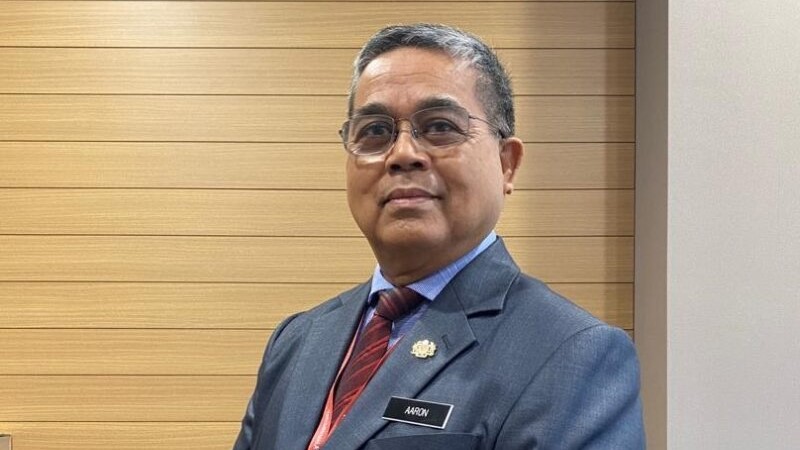
National Unity Minister Datuk Aaron Ago Dagang told Parliament that the government adopts a whole-of-government approach to promoting unity.
He cited the Communications Ministry’s Safe Internet Campaign and its network of 1,099 National Information Dissemination Centres (NADI), alongside programmes such as Jejak Harmony, Rukun Negara Youth Tour and Harmony Dialogue.
These initiatives may provide useful opportunities to build understanding.
But their existence alone cannot tell us whether children are learning to treat one another differently.
The more pressing question is what happens in schools and communities when prejudice surfaces. Are teachers equipped to address it?
Do pupils have opportunities to build friendships with classmates from different backgrounds?
And when a child repeats a stereotype, do adults challenge it or allow it to pass as harmless talk?
Teachers should not be expected to handle these situations without support.
A child who excludes a classmate needs to understand why the behaviour is wrong, while the child on the receiving end should not be left to defend their religion or carry the responsibility of educating others.
The response also needs to go beyond punishment.
Children are still learning, and correcting their behaviour is an opportunity to help them understand the consequences of their actions.
But that opportunity is lost if adults ignore the incident or treat it as insignificant.
Nor can schools be expected to undo attitudes reinforced elsewhere.
Families, community leaders and public figures have a part to play in ensuring that differences in faith and culture are not presented to children as reasons for suspicion.
Malaysia has long spoken about the importance of living together across racial and religious lines.
The harder task is making that principle meaningful in everyday life, particularly for the next generation.
The concern raised in Parliament does not establish that Malaysian schoolchildren are becoming less tolerant.
It does, however, offer a reason to examine how they learn to regard people outside their own communities.
Unity is not measured by the number of programmes launched or the speeches delivered in its name.
It is reflected in how people treat one another when no one is watching — including in a classroom, where a child should never have to wonder whether their faith makes them unwelcome. – October 20, 2026