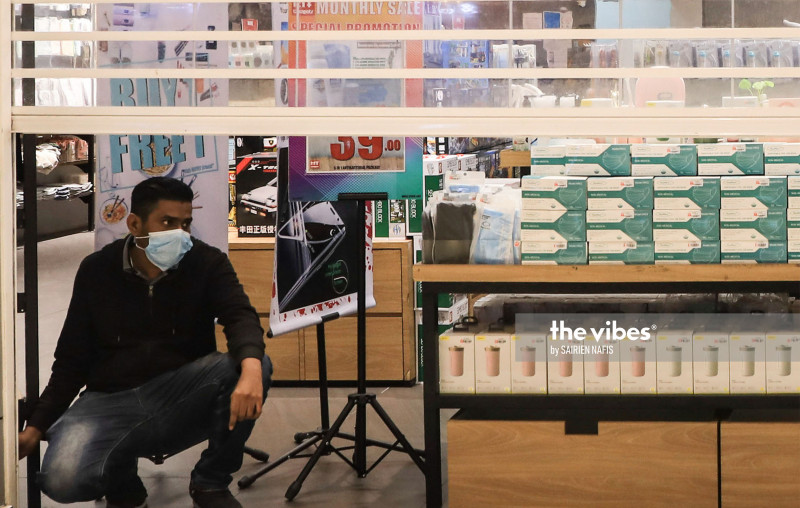
WITH the announcement of MCO 2.0 (movement control order) for the next two weeks, Malaysians in six states are once again working from home, with restricted movement and heavier reliance on logistics players to send groceries to their doorsteps.
Let us be honest – as consumers, some stuff that we want come from more than 10 kilometres away. That being said, online stores in Malaysia are already promoting their ability to deliver essential items and fresh goods to consumers, with the message of “stay home, stay safe”.
With giants like Shopee and Lazada competing for traction, it seems that the players with the most to gain during this period will be the more agile businesses and delivery companies. However, the strong competition between the players will also mean that consumers are likely to walk away as winners.
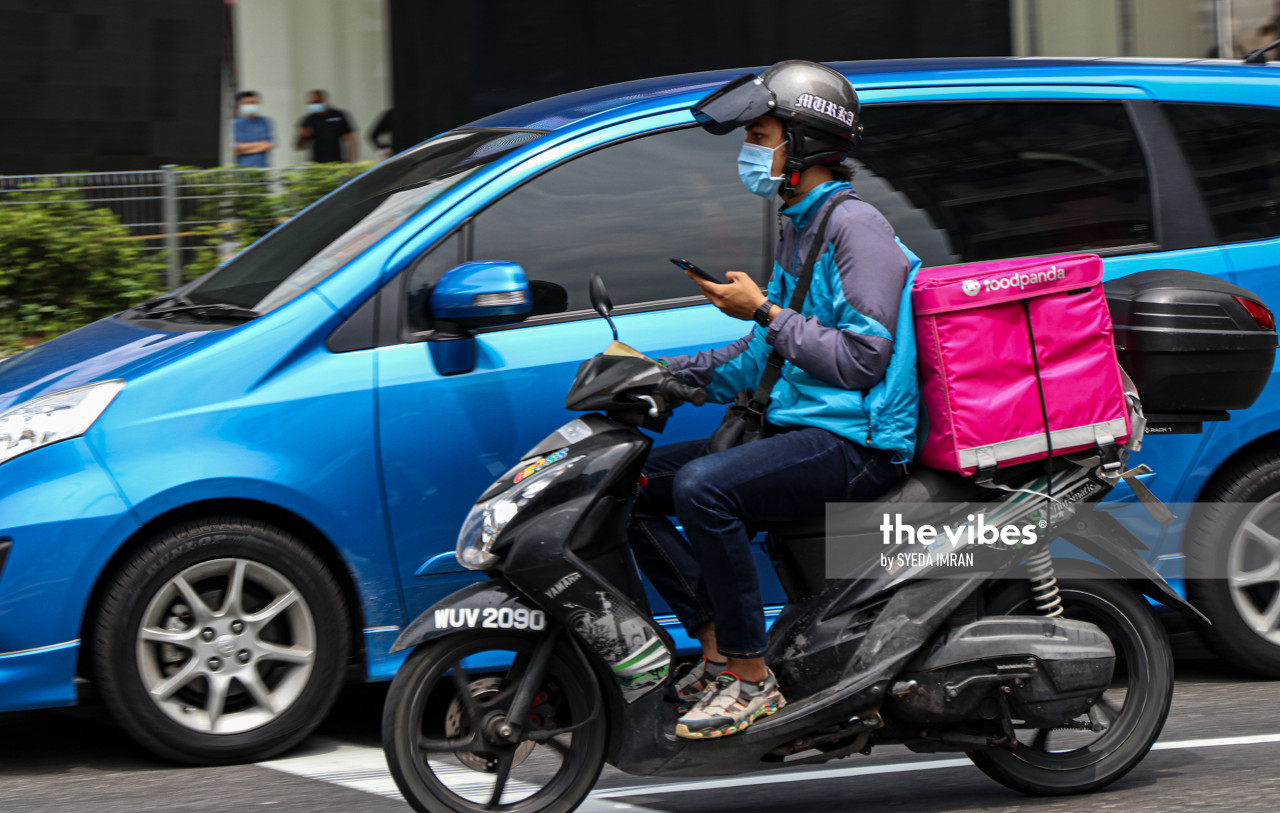
We should look at Foodpanda, HappyFresh and Grab to see how they deliver items from supermarkets and wet markets immediately using their network of riders.
Grab recently introduced another service that allows bulk purchases of fresh goods to be delivered the following day. This imposes a bigger challenge for supermarkets that have their own delivery services, such as Tesco, Jaya Grocer and Mydin.
Others, such as Ben’s Independent Grocers, have set up drive-through pickups to cater to the new norm.
And this is what it means to be in the new normal – goods are picked up and delivered via drive-through, post haste, while payments are done via e-wallets, online transfers or credit cards.
If anything, this is likely signalling a potential trend in wiping out the middleman, such as department stores like Metrojaya and Parksons, and entire shopping malls, as delivery services become more prevalent.
Soon, it will reach a point where big brands will deliver directly to consumers – the fashion industry has already jumped on this bandwagon by having their own websites for home deliveries, such as Calvin Klein out of Hong Kong and Uniqlo from its local warehouses.
Even IKEA has joined the fray, to the point where consumers may only visit the furniture store to purchase its meatballs!
But will this trend exacerbate further, and wipe out and affect hypermarkets?
In the United States, PepsiCo has directly engaged with buyers since May last year by setting up two portals to deliver their products right to a consumer’s doorstep.
But will other processed food producers do the same?
For Malaysia, Kawan, which supplies frozen roti canai to supermarkets, has also started testing the waters by going through Shopee to set up home deliveries.
Decathlon and SportsDirect, sellers of exercise equipment, are on Lazada, thus bypassing the need for hefty weight benches to be bought and carried home from their physical stores.
In the next two years, while waiting for herd immunity and Covid-19 vaccinations, what is the future of shopping malls?
Surely, luxury goods stores will continue to cater to walk-in clientele. However, anchor stores will continue to lag behind as time goes by, and people continue to buy necessities directly from online sellers, which offer better value and home delivery.
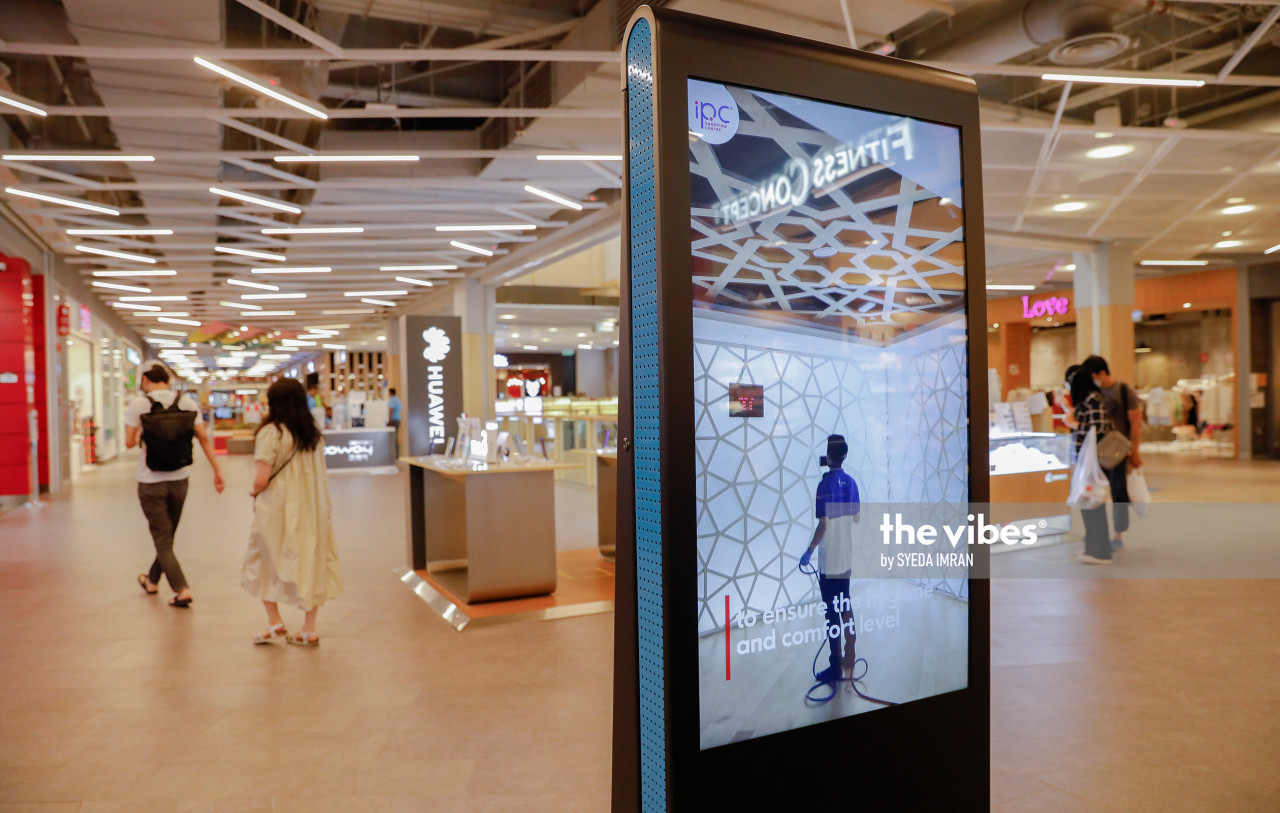
Shopping centres will be the ones hardest hit by the pandemic – but they also have a lot to gain from the needs and wants of other services.
Being a central location, malls are primed to not only be shopping destinations, but also repurposed to suit government services and amenities, such as gyms, libraries and remote offices. They can also be used to further develop community outreach centres through services like mental health facilities.
Yes, it is the Urban Transformation Centre programme all over again.
The second hardest-hit industry will be tourism, including the hotel sector. Offering “work from hotel” packages during the recovery MCO was refreshing but not enough.
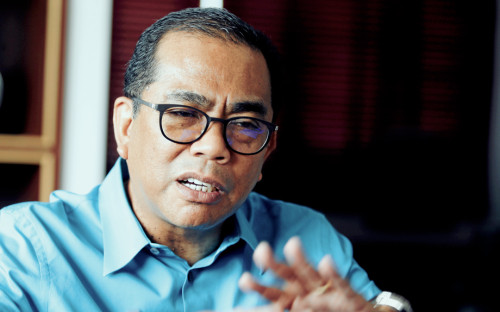
Former Federal Territories minister Khalid Abdul Samad has proposed for Kuala Lumpur City Hall to establish hostels for those in need.
With hotel players in the red, it will only be a matter of time before they consider the need to close shop, which is an opportunity for the city hall to push for such a plan in earnest.
Businesses will need to shift their paradigms altogether, with food and beverage shoplots being converted into larger kitchens and investing in online payments and deliveries. Shopping centres will have to reconsider their tenants and how to cope as occupancy declines.
More importantly, other lifestyle retail businesses will need to reconsider the arrangement between foot traffic in existing stores and just delivering goods through warehouses and shipping services.
Micro, small- and medium-sized enterprises will also need to reconsider their business models, and switch to existing online marketplaces to market their products, or make deals on WhatsApp, with payments via online bank transfers and deliver products by hand.
Looks like the new norm is shaping to be business as usual, with more reliance on delivery, online conversations and marketplaces, as well as cashless payments. However, it will miss out on one thing – something that we will miss most – human contact. – The Vibes, January 14, 2021
Dani Ehsan from Kuala Lumpur is a reader of The Vibes