THE devastating impact of the Covid-19 pandemic has compelled the government to take extreme measures in the form of a second movement control order in many states, and even the declaration of a state of emergency over the whole country.
While the decision to declare a state of emergency remains controversial amongst the public, the commitment to unite against Covid-19 is unanimous.
There is no doubt that the pandemic has now reached a critical stage, demanding bold measures of containment.
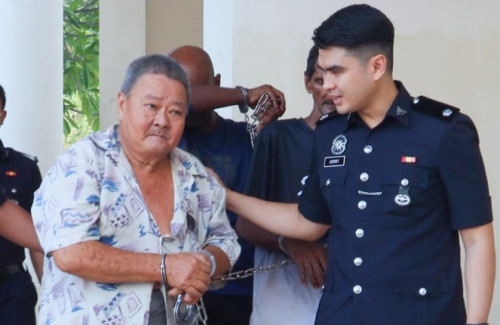
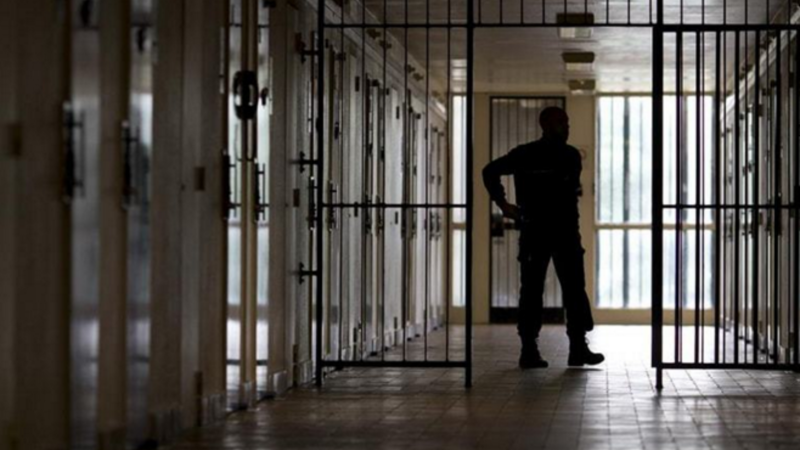
The uncontrollable outbreaks in prisons and places of detention threaten not only inmates but also officers and their families, and the people living in the immediate surrounding neighbourhoods, while also jeopardising the billions of ringgit invested towards containment and mitigation within the Malaysian community at large.
It could also potentially cripple an already over-strained health care system.
The result of the declaration of the state of emergency, among others, is that the executive now holds the untrammelled reins of power.
For which, no doubt, they must be accountable.
If the authorities are serious about defeating the spread of this virus, we urge the executive to act now to reduce the overcrowding in prisons and places of detention; in line with the Prison Department’s own vision and reform agenda, including health.
Immediate release of eligible, non-violent people in prison is a vital step towards curbing the rise of infectious diseases – especially prison Covid-19 clusters and adjacent community Covid-19 clusters – as prison health is public health.
The Director General of Prisons has recognised the problem with overcrowding and as early as October 2020 had proposed that people in prison sentenced to less than one year be considered for early release.
In this regard, approximately 11,018 people in prison, from the minor offences category only, were identified as eligible.
This would significantly reduce overcrowding in prisons. Yet to date, it is unclear how many of that number have been released, if at all.
It must be recognised that any real attempt to reduce prison overcrowding must go hand-in-hand with adequately funded and resourced community support services for reintegration.
The support system relating to arrangements for housing (e.g. halfway houses), food, employment, and accessible health care must all be in place.
The executive, now having full control and responsibility, must immediately initiate the collaboration between all relevant Ministries, agencies, public health experts and civil society representatives to provide the Prisons Department with adequate support to successfully carry out the Release on Licence programme with evidence-based community reintegration.
Malaysia has fallen far behind in implementing early release and community reintegration to reduce prison overcrowding during the time of the pandemic, compared to over 50 other countries.
There simply is no longer any justifiable ground for delay. This letter is endorsed by the following members of the All Party Parliamentary Group Malaysia for the Reform of All Places of Detention (APPGM)
1. Datuk Seri Azalina Othman Said, Deputy Speaker of the House of Representatives (BN – Pengerang)
2. Datuk Seri Hajah Rohani Abdul Karim (GPS – Batang Lupar)
3. Senator Datuk’ Seri Vell Paari (BN – Senator)
4. Nurul Izzah (PH – Permatang Pauh)
5. Datuk Mohd Azis Jamman (Warisan – Sepangga)
6. Senator Liew Chin Tong (BN – Senator)
7. Professor Datuk Dr. Adeeba Kamarulzaman (CERiA, University Malaya)
8. Puan Sangeet Kaur Deo (Advocate and Solicitor, Karpal Singh & Co) – The Vibes, January 14, 2021
All Party Parliamentary Group Malaysia for the Reform of All Places of Detention (APPGM) is an informal cross-party group of lawmakers looking to tackle prison reform in Malaysia