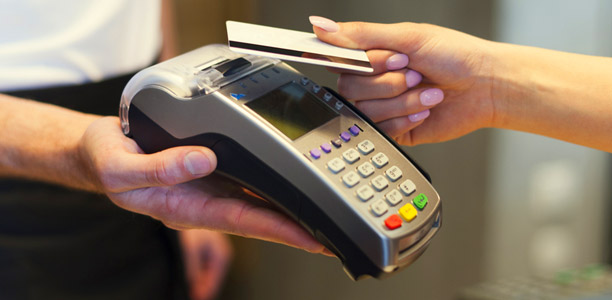
THE Covid-19 pandemic has accelerated the transition to cashless payment in most Southeast Asian countries to facilitate contactless transactions and curb the spread of the virus.
Nevertheless, it is also crucial for us to be cautious, because the method brings with it some unprecedented drawbacks.
Indeed, cashless payment is now preferred by both consumers and sellers in this pandemic era. However, the blind use of cashless payment can have numerous adverse effects on people’s well-being, especially consumer behaviour, which is defined as the process through which an identifiable consumer group makes buying decisions.
Based on an Accenture study entitled “Covid-19: How consumer behaviour will change”, it is clear the crisis drives permanent shifts in consumer behaviour. Consumer preferences are centred on the most basic needs, sending demand soaring for hygiene, cleaning, and staple products, while non-essential categories are slumping.
Although it is definitely a positive thing to note that the pandemic has triggered the prevalent use of cashless payment, individuals should be conscientious about its consequences, especially regarding how they spend and how much they spend.
Besides, an apparent effect of poor spending behaviour is panic-buying, where individuals appear to overspend without worrying about their financial states.
The pandemic also seems to have sparked a high degree of fear and anxiety, which later shifted people’s habits to panic-buying – something that could adversely affect their incomes during this crisis.
This behaviour could have a positive effect on the economy as a whole, as it stimulates private consumption essential to uplifting the economy. At the same time, it may also have a direct, negative impact on customers. So, it is highly necessary that people spend moderately and in accordance with to their actual spending capabilities.
At first, some developed countries such as Denmark encouraged an entirely cashless society, but these countries have subsequently slowed their initiatives for fear that some people would be unable to manage their money efficiently and effectively.
As revealed recently in a study titled “Economy SEA 2020” by Google, Temasek, and Bain & Company, which looked into the significant impact of digital payment during the pandemic on Southeast Asian countries, consumer cash transactions declined to 37% from 48% pre-Covid-19.
Not just that, contactless and digital payments have gained traction because of the effect of pandemic stimulus funds for the people, such as the Covid-19 relief measures in Singapore.
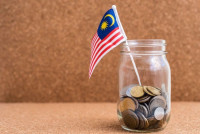
Malaysia is no exception to this, as previous stimulus packages such as Prihatin and Penjana have successfully generated an enormous impact on cashless transactions, not to mention the latest Permai stimulus package that will inevitably compound the effect.
Following the reimplementation of the movement control order (MCO), IDC Financial Insight senior market analyst Darshiniy Selvaratnam stated that this year’s MCO is a game changer for cashless payment, as many transactions that would typically have taken place in person and be conducted in cash terms have moved online.
Pandemic fatigue and unhealthy purchases
However, one thing has to be considered: the widespread use of cashless payment via credit cards or mobile apps could substantially increase the consumption of unhealthy food, based on new research published in Journal of the Association for Consumer Research.
In particular, it demonstrates that when participants consider making cashless payment, the absence of negative arousal reduces their attention to health risks, increasing their likelihood and willingness of paying.
It is relatable because the pandemic, which comes with numerous measures to curb the virus’ spread (especially the lockdown), has undoubtedly increased the likelihood of people living unhealthy lifestyles.
It can generally be deduced that people will tend to spend their money on unhealthy food due to pandemic fatigue resulting from feeling unmotivated and overwhelmed by the endless updates to standard operating procedures and countless recommended behaviours to protect themselves and others from the virus.
Health experts also agree that there could be negative emotions like worry, sadness, and frustration present during the pandemic, as well as abnormal routines, lack of focus, and disturbances in eating or sleeping patterns, which are all indicators of pandemic fatigue.
This illustrates that this phenomenon will have an unhealthy impact on individuals, forcing them to spend more on unnecessary things to alleviate the pandemic’s harmful effects.
Therefore, this will likely be the main focus of policymakers in adequately educating consumers about the unintended negative outcomes of utilising cashless payment.
Public awareness is genuinely essential to cushion the financial blow caused by the pandemic.
It has to be emphasised this is not a suggestion against cashless payment, as it is still a preferred method in this era. It is only a matter of awareness that the public should acquire to avoid the risk of spending excessively or unnecessarily during the pandemic.
After all, during the country’s rapid transition into a cashless society, people should be mindful of their financial statuses, which will determine the degree of financial anxiety they have to contend with.
Although cashless payment is convenient, remember that we could cross a line at some point, where convenience causes us more harm than good. – The Vibes, February 8, 2021
Farhan Kamarulzaman is a research assistant at EMIR Research, an independent think tank focused on strategic policy recommendations based on rigorous research