BANK Negara Malaysia (BNM) announced yesterday that the first quarter (Q1) gross domestic product growth for 2021 was -0.5% (compared to 0.7% growth during the same time period in 2020). This is not surprising given the implementation of the second movement control order (MCO 2.0) on January 13 this year.
Now, with the implementation of the MCO 3.0 on May 10, the sectors and individuals that suffered the most in Q1 2021 will also continue to bleed in Q2 2021, perhaps in even more serious ways.
What is needed now is a targeted approach by the government involving all ministries (not just the Finance and Human Resources Ministries) to aid the sectors and individuals most affected by the lockdown in a strategic and targeted manner.
Firstly, it is important for the policymakers to understand the impact of the MCO on the various sectors and even subsectors.
For example, the agriculture sector as a whole grew by 0.4%, but within this sector, there is great variance. The rubber sector experienced a 12% contraction, the marine fishing sector and aquaculture sectors contracted by 9.6% and 5.2%, respectively, and even the palm oil sector contracted by 3.5%, probably due to a drop in production due to foreign workers’ permit issues that overwhelmed the increase in crude palm oil (CPO) prices.
The manufacturing sector grew at a healthy pace of 6.6%, but there are differences among the subsectors.
For example, the textiles sector grew by only 2.1%, probably because not many people were buying new clothes due to work-from-home policies. Paper products grew by 10.9%, perhaps due to more packaging needed for online orders.
Meanwhile, computers and electrical components grew by 9.% and 12.4%, respectively, probably due to a worldwide trend of parents buying more gadgets for themselves to work from home and for their children to learn at home.
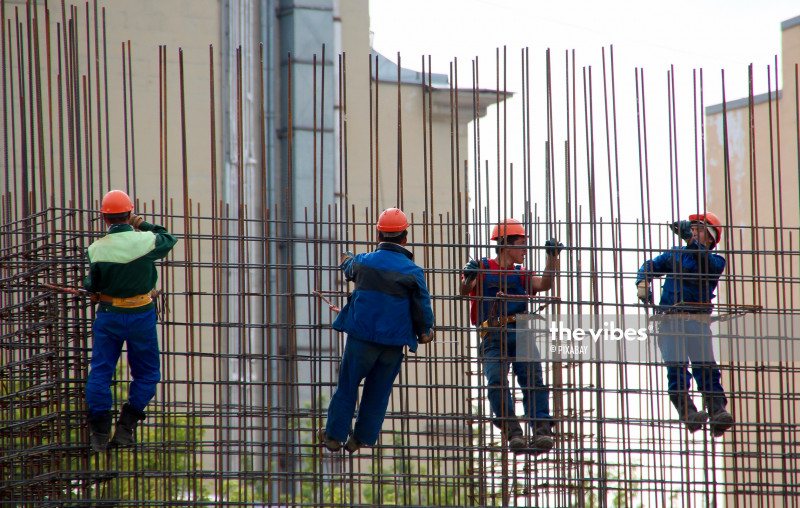
The construction sector contracted by a massive 10.4%, but within this sector, the drop in civil engineering services was 28.8% while specialised construction activities actually increased by 16.9% (due to government infrastructure projects such as the MRT 2 and the centralised sewerage system in Hulu Langat, perhaps?).
The services sectors contracted by 2.4%, but this masks great variances in the sectors that were badly affected and those that did quite well.
Not surprisingly, there was contraction in tourism- and travel-related sectors, such as food and beverage (-23.2%), accommodation (-59.1%) and transportation and storage (-16.2%).
The private education sector fell by 10.6%, probably because student enrolment, both foreign and local, have been negatively affected. Even private healthcare services fell by 4.7%, likely due to people being wary of going to private hospitals over fears of Covid-19.
On the other hand, the finance and insurance sectors (growing by 11.3% and 11.2%, respectively) experienced healthy growth due to spare cash from i-Sinar withdrawals being used to purchase stocks and upgrade existing insurance plans, while money that would have been spent on travel were spent on financial investments and insurance instead.
Understanding the MCO’s impact on the different sectors should lead the government to adopt a differentiated, strategic and targeted approach towards helping the most negatively impacted industries, as well as the people in these industries.
For example, fishermen with smaller boats may not have been able to go out to fish, especially if their foreign workers had returned to Indonesia before MCO 1.0 or 2.0 and could not come back to Malaysia after the lockdown ended.
Their incomes would have been badly affected by the MCO. On the other hand, fishermen with bigger boats and with better networking with fish wholesalers, some of whom were doing good business selling directly to consumers during the lockdown, would not have required much assistance.
Similarly, the drop in overall palm oil production would not have hurt the big players since they have ample reserves, and some of them may have seen their profits increase because of the hike in CPO prices due to supply shocks. On the other hand, smallholders would have suffered more because of foreign labour issues, and they could not be as well positioned as the big boys to capitalise on the increase in palm oil prices.
In construction, many of the big construction companies are still attempting to finish their existing projects, but would be holding off from launching new projects. Those with sufficient cash reserves would not be that badly affected, especially since cash flow may still be funded by financial institutions via progress payments made on existing sales.
Some civil engineers may be out of work because the lack of new projects means that some of the work that they do (piling, foundation, etc.) would not be required during the later stages of building and construction.
With this in mind, the prime minister should then direct each ministry to come up with their own strategies and plans to assist, restructure and later revive each of the sectors and subsectors under their purview. The 6R strategy employed by the Finance Ministry, under Datuk Seri Tengku Zafrul Tengku Abdul Aziz, is a helpful guide, as detailed below:
1. Resolve to contain Covid-19;
2. Resilience (through the Prihatin economic stimulus packages);
3. Restart the economy systematically;
4. Recover (via short- and medium-term plans);
5. Revitalise the economy holistically, and;
6. Reform the underlying structure of the economy to promote growth post-MCO.
The question that remains is this – what are the strategies of other ministries to take care of the sectors under their purview? Perhaps by using the 6R strategy employed by the Finance Ministry? I am ready to offer my services to any ministry (free of charge) to discuss possible strategies on how to assist, revive and recover their respective sectors and subsectors. – The Vibes, May 12, 2021
Ong Kian Ming is Bangi MP and former deputy international trade and industry minister