WE applaud the efforts undertaken by the Malaysian government in implementing the third movement control order (MCO 3.0), initially from June 1 to 14, but which has since been extended to June 28.
We can see that MCO 3.0 is helping to reduce the number of daily infections and flatten the Covid-19 curve. We hope this, along with the vaccination programme and other efforts, will allow us all to move to a healthier position.
However, we have a concern. Under MCO 3.0, companies that carry out water treatment for ponds, water features and swimming pools have had their applications to operate either rejected or not processed. Either way, they are not allowed to operate.
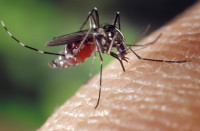
For the first two weeks of MCO 3.0, the effects of not carrying out water treatment weren’t so noticeable. Mostly, what was seen was algae starting to grow. But what has happened in parallel is that as the chemicals used to treat water, including chlorine, dissolve, it allows mosquitoes to start laying eggs in bodies of water.
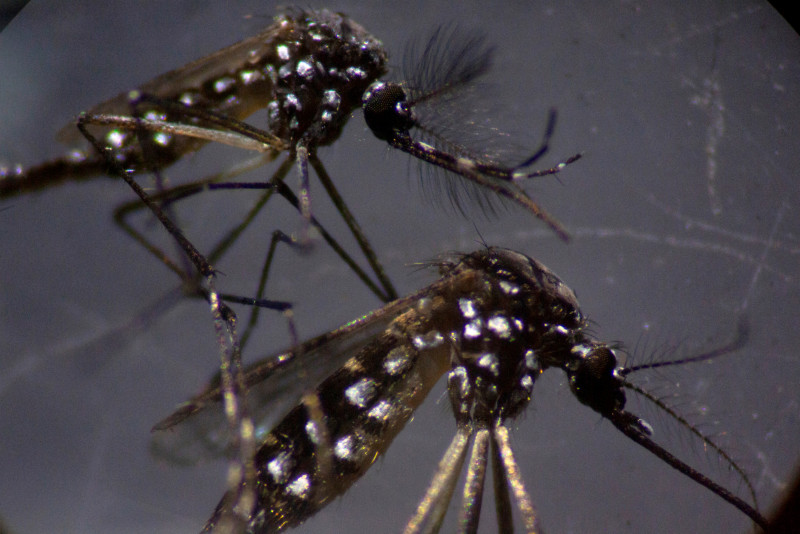
The Aedes mosquito, or Aedes aegypti, that spreads dengue has a life cycle – from egg to adult – of approximately eight to 10 days. Without chemical treatment, there may now be thousands of pools, water features and fountains across Malaysia capable of producing these mosquitoes.
As we enter the second period of this lockdown, there will be more mosquitoes around. In addition, with the majority of people staying home, their exposure to mosquitoes increases.
From our understanding, property holders are required under the Destruction of Disease-Bearing Insects Act 1975, or Act 154, to take every reasonable measure to ensure they prevent the Aedes mosquito from breeding, and can be issued a compound if they fail to do so. As such, it has been the writer’s understanding that water treatment operators are providing an essential service, helping property holders meet their statutory requirement.
Many property holders are not equipped to perform the servicing and treatment themselves. They do not have the chemicals, the expertise to handle these chemicals, sufficient knowledge of the systems in use, and the resources, or manpower, available. Therefore, the risks posed by mosquitoes breeding increase.
The people most at risk of getting dengue at the end of MCO 3.0 will be the ones who could have helped reduce the threat in the first place: the service workers. One can only wonder what will happen if the movement controls are extended by yet another two weeks.
It would be distressing to see all the great efforts made to reduce the threat of Covid-19 being undone by another public health issue amid the pandemic. – The Vibes, June 18, 2021
Bruce Hope is owner and CEO of Beribu Jaya, a swimming pool services company in Kuala Lumpur. Beribu Jaya is a panel supplier to many hotels and property management companies in the Klang Valley. Hope, a New Zealander who has been in and around Malaysia since 2003, is passionate about all things outdoors, and when he is not around a pool, he carries out marine conservation in his spare time