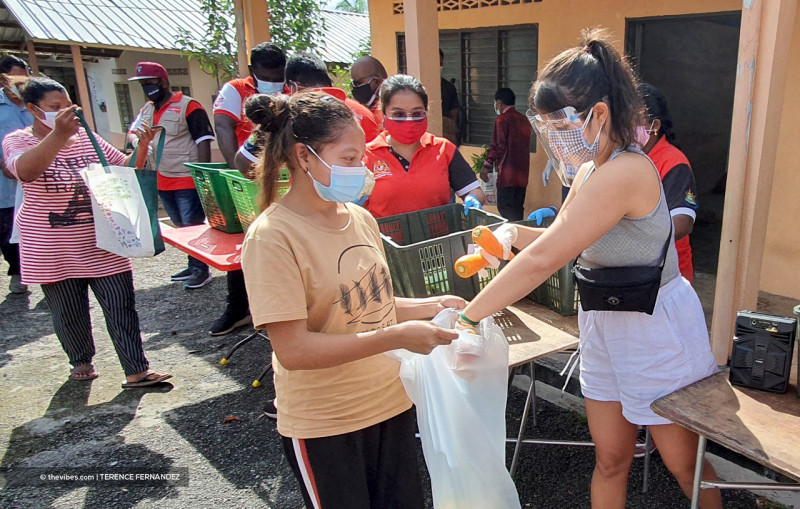

RECENTLY, I joined Klang MP Charles Santiago’s food aid programme to distribute basic food necessities to those most affected by the movement control order (MCO) in his constituency.
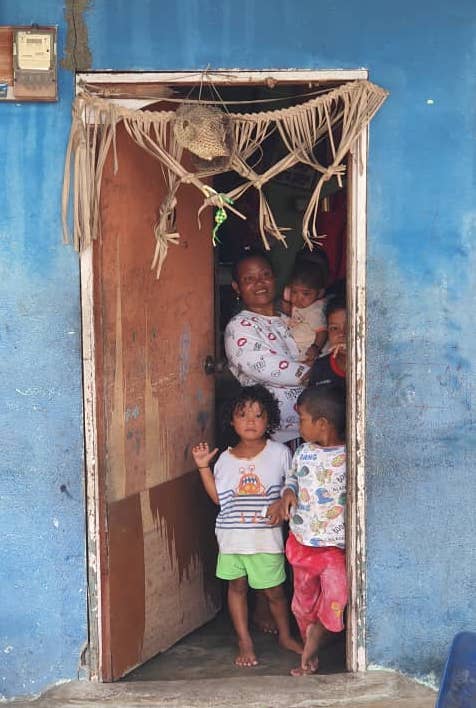
One of the hardest-hit places was the Orang Asli settlement in Pulau Indah, which houses 83 families.
Dignified and somewhat coy, about 100 representatives of the households queued to receive a variety of vegetables and fish.
Depending on the kindness of others has become somewhat essential to their survival.
Apart from being perhaps the most marginalised and forgotten communities in the country, the pandemic has made their suffering even worse as they are unable to tend to their vegetable plots and livestock, or, in the case of the Pulau Indah settlers who are a fishing community, go out to sea.
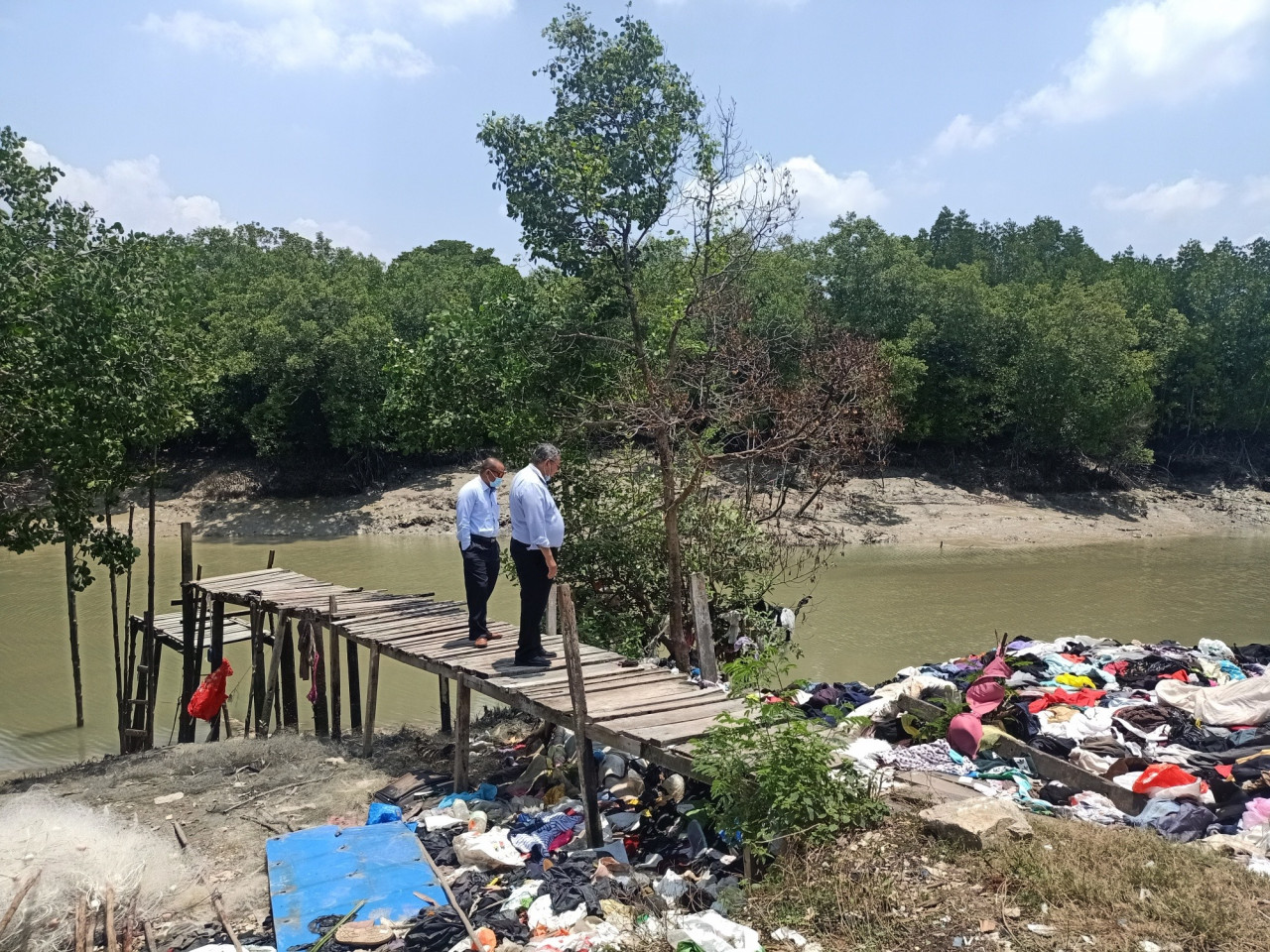
Their village head or Tok Batin, Intan Pindik, details the hardships they face: “Villagers mix salt and boiled water and eat it like soup; many families are living off under RM200 per month if they are lucky.” To make things worse, their source of water, a nearby stream, is polluted with plastic bags and waste, he said.
While they are extremely appreciative of the contributions that help provide a sort of lifeline for them, as dignified people they just want to go back to their way of life – to rely on what mother nature provides to sustain themselves and their families.
Parts of their land and forest have for long been encroached upon by private companies, especially developers – aided and abetted by government officials – displacing them from the forests to settlements such as Pulau Indah.
The Tok Batin also revealed that young children have to educate themselves through mobile phones since the pandemic hit, as teachers hired by the Orang Asli Development Department (Jakoa) have stopped coming to the village.
Riddled with fleas and ticks, their hair shows clear signs of malnutrition. A blonde tinge covers the tips, a direct result of their diminished access to traditional food sources.
This was their standard of living at the hands of the government, even before Covid-19 hit, and now the pandemic has stripped away what little they still had.
The Orang Asli comprise 18 tribes, each with their own distinct culture, social norms and language.
Today, there are roughly 217,000 Orang Asli spread across Peninsular Malaysia, with an average lifespan of just 53 years.
Their infant mortality rate, at its maximum, is more than five times that of the national rate, at 51 infant deaths per 1,000 live births.
No land, no voice
Four thousand years ago, their ancestors populated Peninsular Malaysia, called it their home, and began their small-scale agricultural way of life. While they may be poverty-stricken now, for generations the Orang Asli were an independent and self-sufficient group of people who used subsistence farming and forest resources to adequately provide for themselves and their families.
However, this changed when their native customary lands were heavily targeted for economic activity as a result of Malaysia’s rapid development over the last few decades: palm oil plantation expansions, extensive logging, tourism, hydro-electric dams, and large-scale agricultural development.
To this end, one questions the existence and role of Jakoa and the billions of ringgit that have been pumped in for its operations.
Budget 2021 for instance, allocated RM200 million to Jakoa to fund its programmes, which include human capital development of the Orang Asli. This covers schooling, meal programmes for students, vocational training, and entry to higher education.
However, that this department itself has only seen two directors-general from the Orang Asli community in its 82-year history speaks volumes of its success, or lack thereof.
Jakoa, to this end, has facilitated the encroachment of ancestral land which violates the livelihoods and basic rights to food, clean water, shelter and security of the Orang Asli.
Their customary land rights are ignored by authorities despite landmark court rulings recognising the land as under the ownership of indigenous communities.
In essence, the government is institutionalising poverty through this non-recognition of customary land rights, yet at the same time is not assimilating these people into mainstream society, which is supposedly one of the aims of successive governments.
This non-recognition and encroachment of tribal lands is further amplified by documented allegations of coerced religious conversions, where communities are asked to convert to receive aid.
Activists have claimed these policies as part of the “ethnic cleansing” of the community.
Whether this is a fair assessment of the situation, one should be concerned that if the current policies of managing the Orang Asli persist, it is only a matter of time before this minority among minorities eventually faces extinction. – The Vibes, July 20, 2021
Tara Sekhar is a third-year student of sociology and politics at the University of Edinburgh, Scotland. She is an intern at The Vibes