THE Covid-19 pandemic has gripped the world like little else before. We are locked in, locked out, locked down; and subject to myriad other restrictions. Many are acutely affected: economically, physically, socially, and even mentally.
Let’s look at some of these adverse consequences and their impact on human rights.
Prior informed consent
Any intervention to one’s body must be based on the free and prior informed consent of the person. “Informed” means that all the potential consequences must be carefully explained to the person. “Free” means that the person must then be given the freedom to choose whether or not to agree to the procedure.
To conclude a consent process ethically and successfully, four steps are crucially necessary. These are (a) legitimisation to consent, (b) full disclosure, (c) adequate comprehension, and (d) voluntary agreement.
Indeed, obtaining informed consent has become an essential part of modern medical practice. Today, patients and research subjects are actively involved in medical decision-making and are no longer expected to defer responsibility to paternalistic, benevolent doctors. Much less to political overlords.
As is now a given for any procedure for surgery, the patient is fully informed of the potential consequences, and given adequate time to consult and make an informed decision. Cancer patients are carefully counselled on the consequences of the treatment such as chemotherapy, and advised of the side effects as measured against the potential beneficial prognosis.
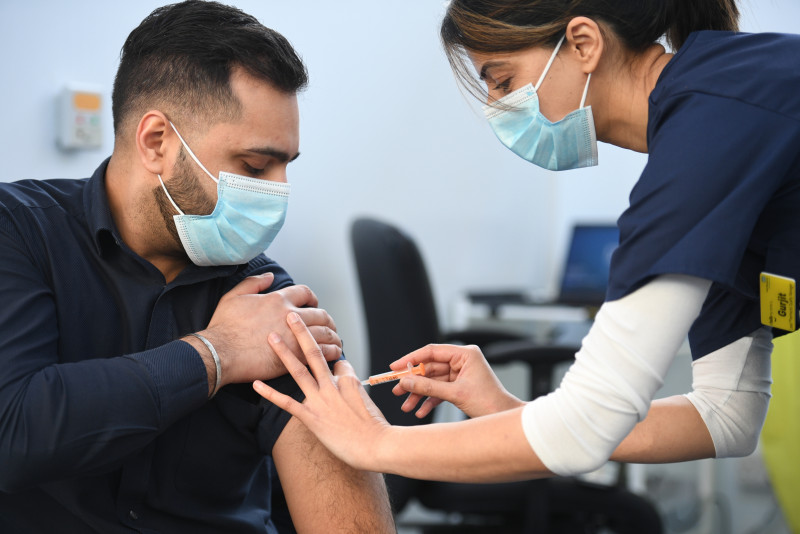
The question to ask is: on what basis are people seeking out the Covid-19 vaccines? Two considerations stand out: fear of dying and peer pressure. Pictures of suffering intubated patients shout to us from TV interludes, as do the daily roll-out of death statistics and stories, and of course the expectation that “herd immunity” will allow us to go back to normal life. So all must vaccinate rapidly.
Conspicuously missing, though, is a thorough disclosure to the person of the long-term effect of the various vaccines – some, like Pfizer, being artificially created. Nor is there disclosure that this is an experimental vaccine yet to be approved, as it has not gone through the normal long test-trials process that other vaccines in the past (smallpox, etc) have gone through, approved only on an emergency use authorisation basis. There may well exist complementary preventive and curative therapies, including traditional medicines.
Are we entranced by a herd-like obeisance to the vaccine mantra, goaded on by daily messages of numbers achieved?
In fact, preceding the vaccination, a person is made to sign a form that states the person consents to the vaccination, understands that it may cause adverse reactions (as stated in an information sheet), and assumes responsibility for any risks that may result. And then there is the salutary statement that he agrees he is doing it because “the benefits of the vaccine outweigh its side effects”. Notably, these “side effects” are not explained, nor whether they will occur over a medium to long term.
How many read an accompanying advisory and sign the form, with full knowledge of its contents, prior to the shot?
At stake is nothing less than the right to be informed and to make a choice. Surely, a fundamental human right. After all, can there really be a one-size-fits-all? People come in various shapes and sizes, with differing conditions such as a predisposition to blood clots or heart conditions that may be aggravated by some vaccines, reportedly. Surely careful counselling should be mandatory, and their fears, if any, allayed.
Make no mistake. I am not against vaccinations; just that they must be properly and ethically accomplished. No rushing in where angels fear to tread.
Relaxing restrictions for the vaccinated
The government recently announced a relaxation of restrictions for fully vaccinated individuals, allowing interstate travel to see spouses, or for parents to visit their under-18 children; and for Phase 2 states to dine-in and cross state boundaries.
The Malaysian Medical Association has questioned the scientific basis of the spouse-parent travel decision. Either it is sufficiently safe for the fully vaccinated to travel, or it is not, according to its president. In which case, it’s either all vaccinated individuals are allowed to travel, or nobody is.
Others have questioned the legality of discriminating against the unvaccinated, denying them access to restaurants and potentially other private outlets and travel.
This may even be seen to be a violation of the constitutional guarantee and fundamental right to “equality”. After all, fully vaccinated individuals are not free from infecting others or being reinfected themselves, as is declared in the form required to be signed preceding vaccination.
And what of those who for legitimate health-related and other reasons do not want to be vaccinated, and those tested Covid-19-negative, or who rely on complementary therapies to ward off the virus?
Should not the decision to relax restrictions be rational, science-based, and most importantly, uphold the human rights of the wider citizenry? – The Vibes, August 24, 2021
Gurdial Singh Nijar, a former law professor, now practises law