
YOU’LL find articles aplenty in the popular press concerning the mental health time-bomb that is ticking in our population right now. That may be in part to the challenging times we have all experienced these past few years, but may also be part of a wider shift that changes in society have delivered. So, what do the statistics actually say? According to the World Health Organisation (WHO), they make for sober reading:
- Mental health conditions account for 16% of the global burden of disease and injury in people aged 10-19 years
- Half of all mental health conditions start by 14 years of age but most cases are undetected and untreated
- Globally, depression is one of the leading causes of illness and disability among adolescents
- The consequences of not addressing adolescent mental health conditions extend to adulthood, impairing both physical and mental health and limiting opportunities to lead fulfilling lives as adults
- Suicide is the fourth leading cause of death in 15- to 19-year-olds
The last bullet point makes for incredibly painful reading and so, it is essential that the mental health crisis is firstly acknowledged. Once acknowledged, we have a choice of either fighting fires once they are lit or, better still, implementing measures that can reduce the chances of poor mental health having a sustained and/or significant impact on our young people.
Before examining solutions, perhaps it may be worth considering some of the causes:
- pressure from social media to conform to stereotypical beauty, size, skin colour, physique
- pressure to do the “right” thing, buy the “right” clothes, listen to the “right” music, speak with the “right” accent
- pressure to get into the football team, the swim squad, the orchestra
- pressure from parents to get the right grades or even achieve a scholarship
- pressure from oneself to be “better”
- pressure within friendships
This list is long (and certainly not complete), so it no doubt adds to the already stressful task of parenting, which in turn can ironically further impact children’s well-being.
So, what are the solutions? As ever, there’s no silver bullet, so instead, I’ve suggested a range of ideas from which to choose, depending on the circumstances.
Sleeping well
Sleep is so important for all of us. A quality night of restorative sleep improves memory, positivity, attention, analytical thinking, happiness and general well-being.
Key considerations for improving sleep for teens include:
- Encouraging regular bed and wake-up times
- Avoiding artificial light from, for example, a phone or laptop close to bedtime
- Some people find background noise (music, podcasts, white noise) helps the process of falling asleep
- Writing down things on your mind can help “park” them and reassure you that you won’t forget important tasks
- Setting devices on “do not disturb”, or better still, removing them from bedroom to reduce the temptation to check alerts
Exercise
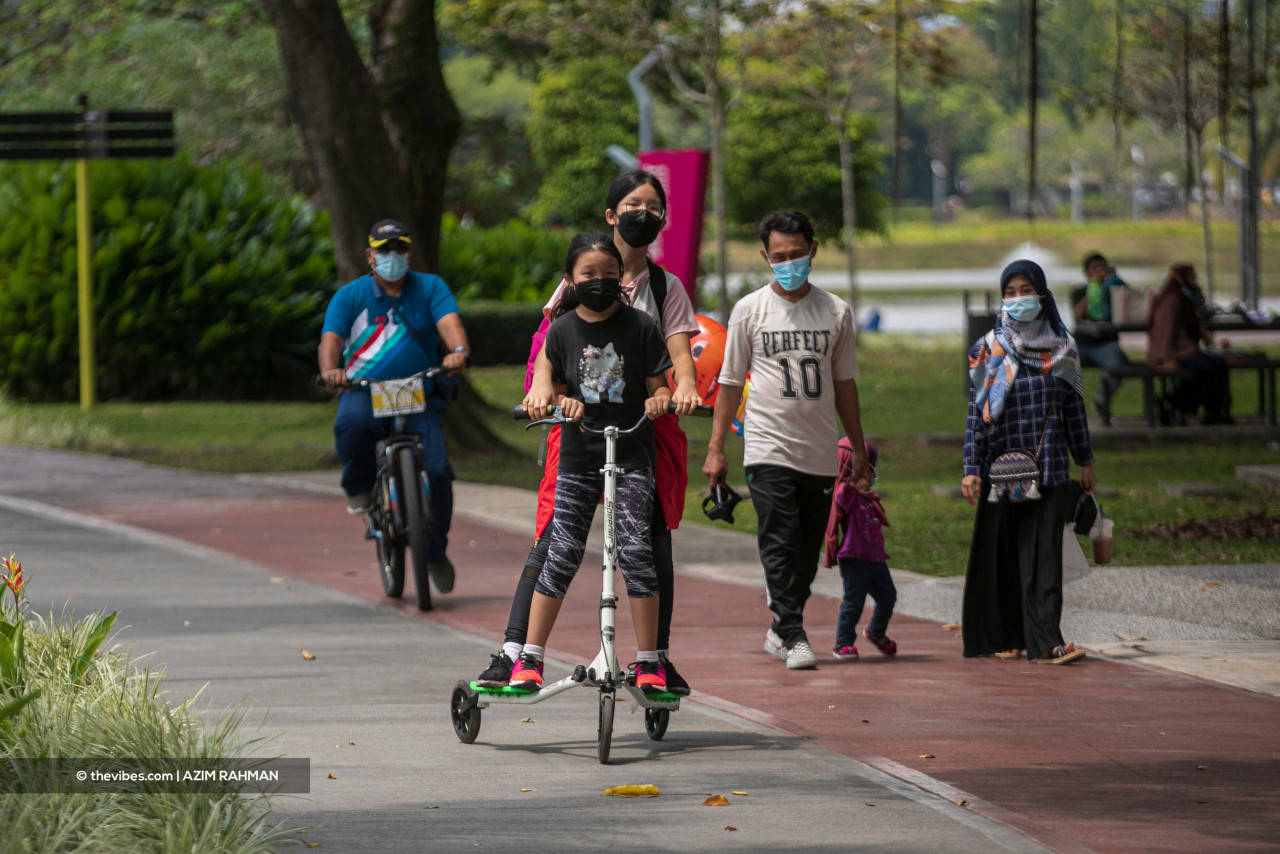
The lockdown presented us all with problems and yet it also gave us opportunities. For me, one of those was a little more time in the day to exercise whilst I was working from home. This initially took the form of walking up and down the hill outside my apartment, which turned into short runs, then longer runs. I received a bicycle for my birthday and now I genuinely haven’t felt fitter in the last 15 years. I’ve cycled around Malaysia, run a half-marathon and, probably most importantly, feel better about myself as a result.
Encouraging your child to walk/run/cycle with you (or with their friends) is so very worthwhile.
Talk
Parents can sometimes avoid awkward conversations with their children, particularly about themselves. One impact of this is that children often see their parents as living struggle-free lives, which is a world away from what we as adults know. Worries about money, challenges at work, elderly parents, business deals... talking about your struggles in an age-appropriate way can have a revelatory effect on how children see themselves. It normalises struggles, which means that children are more likely to voice their own difficulties.
When you find yourself in a conversation like this, don’t diminish your child’s concerns and worries; whatever you may feel, their concerns are real and impactful. Talk to listen, instead of making the mistake of talking to reply. And don’t feel you need to find a solution to their problems – sometimes talking is part of that solution!

Eat well
It’s so easy to resort to carbohydrate-rich foods when we’re tired and stressed. Or chocolate. Or a cup of coffee or cola. Sugar-rich foodstuffs and caffeine can satisfy an immediate urge but they serve very little nutritional purpose. Trying a more balanced approach with fewer carbohydrates, plenty of fresh fruit and vegetables is a sure-fire way to build up a healthier immune system, and has the added advantage of keeping the weight down. Something as simple as always having a bowl of fresh fruit cut up in the fridge can easily encourage even the most reticent of teenagers (and possible adults, too) to start becoming more healthy. Be realistic, too, and don’t necessarily ditch the chocolate – just moderate it.
Play
When was the last time you kicked a football and screamed with delight after scoring a goal? Or rolled down a grassy hill? Have you borrowed your child’s scooter in the last few weeks? The joy and laughter that accompanies these activities belie the commonly held belief that play is just for children.
Teenagers can often feel so self-aware that they actively avoid play, despite its benefits. Now go and find that badminton racket...

Spend time outside
I have a wonderful job in a school with a beautiful campus. Days can get stressful and, without realising it, I’ll have left my office and found a quiet spot by the fish pond, in amongst the eucalyptus trees or under the shade of the frangipani.
Focusing on what you see, hear and feel when outside is inextricably soothing for the mind and soul, so next time you sense your child is feeling stressed, take 30 minutes out on your balcony together, in your garden or even close your eyes and listen to a YouTube clip of forest sounds... it’s magical.
Be kind
Being kind can take a variety of forms. It could be clearing the table after dinner, washing the car, taking the dog out for a walk or watering the plants. Beyond home, it may even be helping one of the numerous community outreach groups that operate in KL, such as Kechara Soup Kitchen. Local religious groups often support those in need, too. Or, it can be something as simple as smiling at a supermarket cashier, giving the Grab driver a thank you bonus, or holding the door open for someone else. These little touches are amazing for everyone… the recipient will feel so much better and the giver feels a positivity that can last for hours.
Noticing friendship issues
It is entirely natural for friendships to experience ups and downs, but when the downs become more persistent or impactful, it may be time to do more. Typical friendship issues can include being mean, excluding individuals, exhibiting controlling behaviour, or even physical harm, and all of these are challenging for the child and the parent.
Managing this initially involves helping the child to actually notice the harmful behaviours and then to appreciate their impact. One way that schools manage this type of relationship is to have a restorative conversation to allow both parties to talk openly and honestly about what each sees, experiences and feels. These conversations can sometimes be emotional and trained teachers are able to skillfully manage the power dynamics. It’s probably best for parents to leave this one to the experts!

Model well
Do we as adults follow that bedtime routine ourselves? When was the last time you took time out from a busy day to play a boardgame with the family, go out to the shops on foot rather than by car, or get up extra early for a morning hike in the jungle?
As adults, we know that our children are brought up in our likeness to varying degrees. We are in charge of our family values, so if we value mental well-being, we have to model good practice, which means finding your own ways to be positive about yourself and others.
Turn that phone off at the dining table and talk. Get yourself a new pair of trainers and go out for a run. Ditch the nasi lemak for fruit and yoghurt tomorrow morning. It will make a difference for you, and your children
It is normal for everyone to have negative feelings, and these usually pass. Giving your child mechanisms to recognise when they feel they are "slipping" is hugely important. Once these feelings are recognised, some of the activities listed above can boost the levels of serotonin, thereby improving levels of happiness and well-being.
If things do take a turn for the worse for your child, trust that you’ll know as a parent. Short-term sulks may become more regular. Your teen may wake up feeling even more tired than normal. They may get withdrawal symptoms when away from their phone. They may have less face-to-face contact with friends and may have stopped participating in activities that they once loved. Where do you go if you’re worried? School can be a great place to start. Teachers are amazing people who will have seen hundreds of children grow up, so combining their experience of children with your experience of your child is a great way to evaluate if your child’s behaviour is normal or starting to become a worry. If it is, they will offer suggestions which may include support from the school counsellor. You may wish to see a private counsellor and, if the situation demands it, KL has amazing child therapists, psychologists and psychiatrists. Stepping in early is the best way to resolve a challenging situation.
Now, where’s that bowl of pineapple…? – The Vibes, October 24, 2021
Gavin Lazaro is vice-principal at an international school in Kuala Lumpur. Born and educated in the United Kingdom, he worked in the chemical industry for five years before studying education at the University of Oxford and thereafter entering the education profession. He has been in education for nearly 30 years in the UK, Kuwait, Bangkok and now KL
Further reading:
Adolescent mental health from the World Health Organisation, September 2020
Children and young people from The Mental Health Foundation, Sept 2021
Five Ways Parents Can Help Prevent Teen Depression from Greater Good Magazine, June 2016
Diet and mental health from mentalhealth.org.uk, Sept 2021
Developing Healthy Relationships in Adolescence by Andrea Delariyala from Adolescent Counseling Services, April 2020
How can nature benefit my mental health? from mind.or.uk, May 2018
Mental health in pre-teens and teenagers from raisingchildren.net.au, May 2021
Mental Health Promotion and Prevention from youth.gov
Why teenage sleep is so important for mental health from the BBC, March 2021