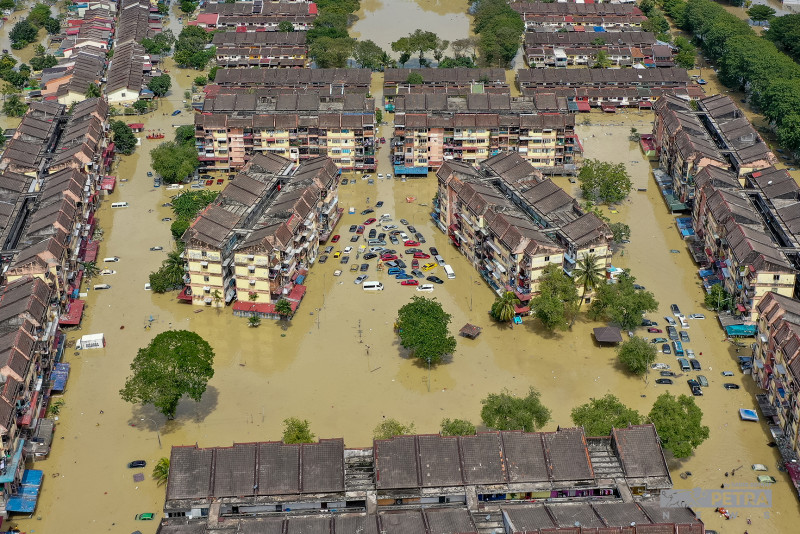
IN today’s world we are a heartbeat away from news alerts. Lives could have been saved if only the government had informed the public as soon as it knew that Super Typhoon Rai would make landfall in Malaysia.
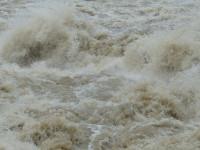
Devastation could have been avoided in these floods that were said to be a “once in 100 years” occurrence.
If the public had known, even a few hours earlier, that a flood of this severity was going to happen, they would have taken their helpless children, parents and disabled, and driven them to shelter.
They could have also salvaged their vehicles and treasured items to minimise their losses.
The severity of this present flood was made public by the Meteorological Department since December 11, a week before the disastrous floods and landslides last Saturday.
The National Disaster Management Agency (Nadma) in its defence said that the impending flood was announced on TV1 twice daily at 8am and 5pm through the Selamat Pagi Malaysia programme.
Unfortunately, it seemed that the 100,000 victims and their families were not tuned in to this programme at these precise times.
Such information should have been given to popular channels on Astro and BFM, where the messages should have been repeated as how CNN reports on forthcoming hurricanes.
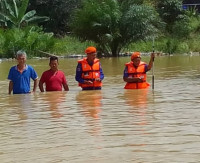
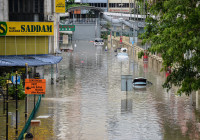
Instead, when the floods unexpectedly hit, we saw photos of victims on rooftops watching their belongings washed away by the deluge. There are videos of pregnant women and their children scrambling away from the flood.
Many of the victims were left to fend for themselves alone for almost 48 hours without food.
These visuals are symbolic and evidence of the poor standard of our public administration.
Why did the authorities not use MySejahtera, for example, to send alerts to the country’s 33 million population? The floods are annual disasters, not once in a 100 years. It was the public that quickly mobilised resources to help the victims.
The real warriors were the teams from Malaysians-CovidCareMy, AsiaHeroes.org and the hundreds of volunteers who activated their personal resources to fill the void created by government agencies.
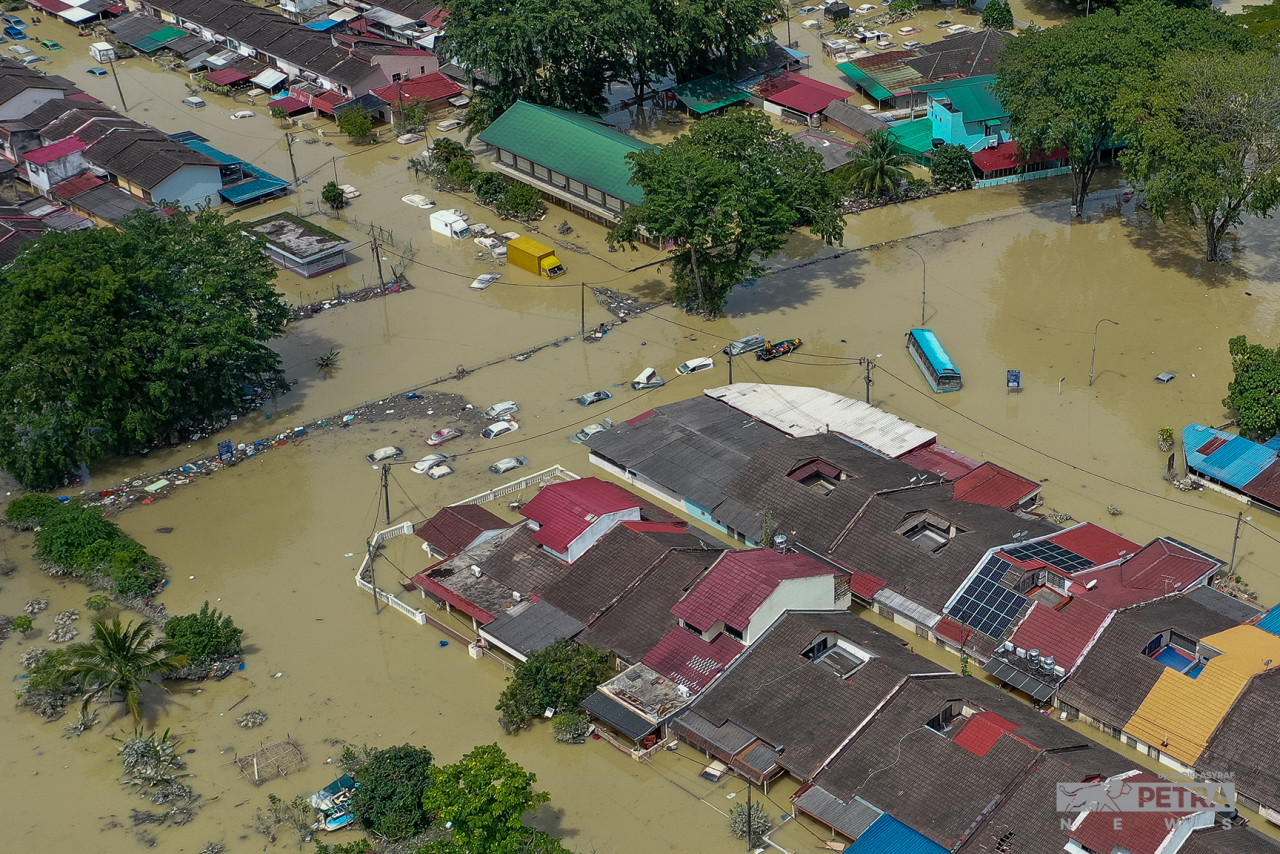
While Malaysians were braving the floods, there were MPs who were overseas and posting their holiday pictures. Some were busy planning their holidays.
The recent flood disaster has highlighted once again our level of preparedness and the key failures in the government’s leadership. All we get from the civil servants is the same old tirade and spin on what they are doing, while being defensive on what they did not do.
The Women, Family and Community Development Ministry also defended that disaster preparedness is not its responsibility. But the ministry’s role is to provide relief centres for disaster victims, food aid, clothing and other basic necessities, as well as compile data for recovery purposes.
The other ministries should be assisting with temporary housing, food and water; removing abandoned cars, rubble and debris; and infrastructure repair.
The more meaningful question is: who in the government department is accountable for informing the public and having the authority to plan, mitigate and rebuild after a disaster?
In summary, the government did not alert the public with life-saving information beforehand, and later failed to distribute appropriate resources in a timely fashion – at least not in the first 24 hours.
I believe the more credible officers from a lower tier have collected and submitted information to the higher authorities for corrective and remedial action. Who are the higher authorities responsible?
Or was such information used only for parliamentary replies?
We need a broad range of flood mitigation policies and practices. I am sure geologists, engineers and social scientists would have reached out to the government with various mitigation plans on flood risk management.
Finally, where is Environment and Water Minister Datuk Seri Tuan Ibrahim Tuan Man in all this? – The Vibes, December 21, 2021
Vasanthi Ramachandran is an author and columnist, and runs the NGO Helping Hand