AS a change management consultant, I read with disgust the attacks on social media against the government over changes to Covid-19 standard operating procedures.
The latest frenzy revolved around the government’s decision to increase the number of people allowed in a car from two to three. Before this, there were discrepancies in the ruling involving private and ride-hailing vehicles. While the passenger cap for the former was two, it was three for the latter, including the driver.
In any event, authorities like police have the discretion to give leeway on a case-by-case basis.
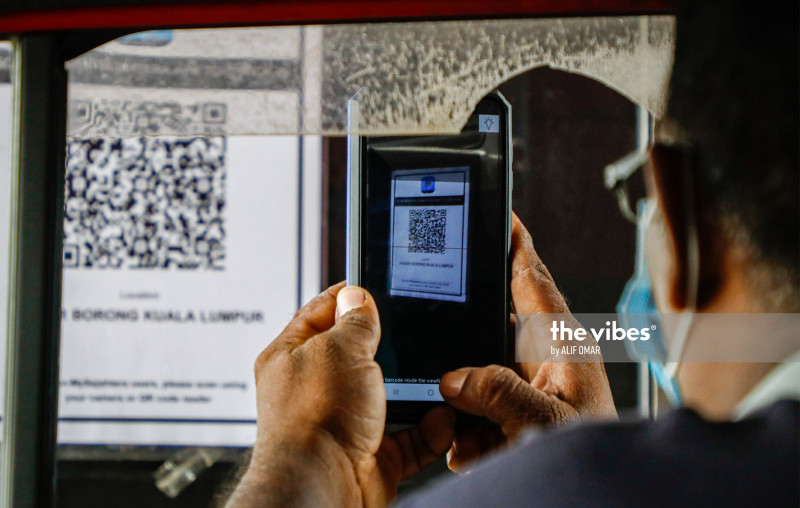
Prior to that was the confusion surrounding whether we needed to register using the MySejahtera app at petrol kiosks. Many were upset with the perceived constant change in policies and SOPs.
In my line of work, change should not be seen as a “problem”, but something to thrive on. With the Covid-19 crisis upon not just Malaysia, but the world, change is inevitable.
We have no choice but to adapt to the new norm simply to stay alive. For example, wearing a mask when we go out. The new norm should not be seen as a static rulebook, but one that is alive and constantly evolving.
Unfortunately, due to our limited ability to effectively stem the rapid spread of the deadly coronavirus and the socio-economic havoc it has wreaked on the globe, there’s no textbook solution on what constitutes the new norm.
Under such circumstances, we have no choice but to constantly adapt and change whenever we get more information on Covid-19. When the virus first hit our shores, patients were quarantined until they tested negative, even if they no longer displayed symptoms. This was why some patients stayed in hospitals for months on end.
Then, the World Health Organisation (WHO) discovered that a 10-day quarantine was sufficient, as the positive test results for patients who had been isolated for the duration of the period was due to “virus shedding”.
This was when Malaysia reduced the mandatory quarantine for patients to 14 days, four days more than the WHO recommendation. Now, Covid-19 patients in Malaysia are discharged after day 10.
So, are we going to say the government and National Security Council keep making U-turns on policies? Or that they are inefficient and indecisive? Have we adopted armchair criticising as our national sport?
By nature, humans are resistant to change. Change is disruptive and upends our plans. But just as how our ancestors could have starved to death had they not resorted to irrigating their crops in an unusually dry year, we, too, need to move with the times or risk a worse calamity.
We have to accept that under this new norm, change is not just constant, but rapid. We are not just dealing with the voluminous know-how on the virus that changes by the minute, but also the far-reaching, global socio-economic impact left in the wake of the outbreak.
In other words, our Covid-19 SOPs require constant tweaking, and this should not be seen as inconsistency or inefficiency. We just have to keep abreast with the latest developments. That’s just the way it is in our war against the unseen enemy that is the coronavirus.
And if we can’t adapt quickly enough to the changes, or are annoyed with the rapidly evolving rules, the least we can do is to not make snide remarks and dampen the morale of those who put their heart and soul into making us safe during this pandemic. – The Vibes, November 17, 2020
K.H. Loh
Puchong