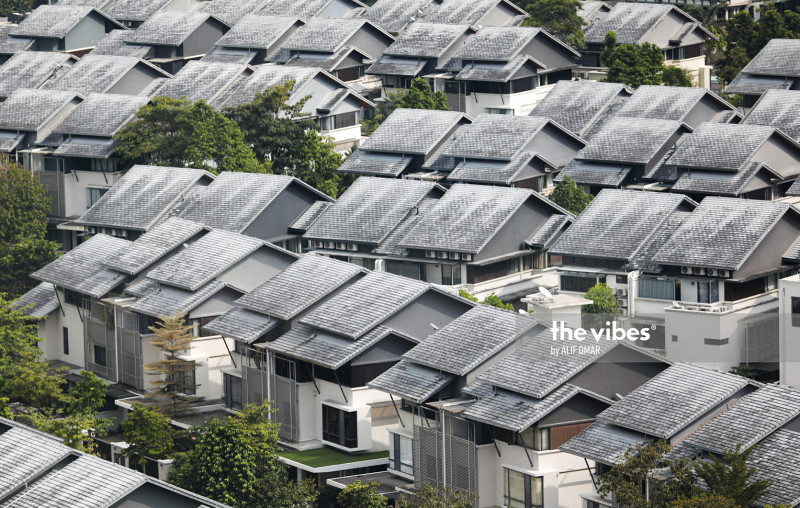
THERE has been much ado in the past few months on what items and solutions could be included in the much-awaited Budget 2023, especially after the events of the past two years: starting with the Covid-19 virus, with its wildfire spread and the various movement control orders we were subjected to; the excessive flood disasters and pollution of our waterways that affected millions of households; the change of the nation’s leadership; the rise in inflation and cost of basic food items and utility bills; the dearth of good paying jobs in the market; and the rise of unemployment, to name a few.
These events can put a damper on the hopes of many ordinary folk who are struggling to rise above the events of the past two years, at the very least, and it would not be presumptuous to think that Budget 2023, if properly thought out and implemented with the rakyat’s interest at its core, could and would be an effective and sustainable solution for many of us hoping for a brighter year ahead.
Issues
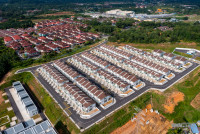
The National House Buyers’ Association (HBA), would like certain items and solutions to be inserted into Budget 2023, mainly to assist in resolving our long-standing woes, which include, among others:
1. abandonment;
2. actions by the authorities to paint that there are no abandoned issues when the affected projects are merely re-batched as sick or delayed projects;
3. long delays;
4. authorities who cow to the pressures and demands of the industry to grant extensions of time arbitrarily for the simple reason of accommodating the industry players at the expense of denying the rights of the house buyers to receive the statutory compensation for such delays;
5. defective and poor workmanship;
6. a lopsided financing system that burdens the ordinary house buyer to a lifelong repayment term with an interest rate that is higher than our average salary increment without the possibility or ease of terminating the arrangement even when faced with the problem of abandoned houses;
7. developers who have the apt of winding up themselves to avoid their contractual and statutory obligations;
8. a system that is overly dependent on importing inflation via massive imports of raw building materials and manpower, which are mostly traded in US dollars when our local capacity is 100% in Malaysian ringgit;
9. professionals who take advantage of this lopsided system (and in some instances supported and aided by laws and authorities who pedantically apply the rules), especially when a developer is conveniently wound up after having sold a number of units to unsuspecting house buyers by unilaterally and arbitrarily imposing professional fees of a certain percentage on the market price of the housing unit all under the guise of “administrative fees”;
10. the fact that the bulk of Malaysians are unable to afford a house even when it is within a certain protected category because the original price is hiked up exponentially that it defeats having any discounted price because it still remains outside the reach of those to which the category is created in the first place;
11. the fact that we remain stuck in a cycle of middle-income year in and year out whilst house prices rise exponentially within the span of a few months; and
12. the fact that most efforts or attempts to alleviate this lopsided system only further perpetuate the growing divergence between the haves and the have-nots because the basis of such attempts is never in the interest of empowering the people.
Our proposal
The objective of our Budget 2023 needs to be a system that makes it affordable for the majority of ordinary Malaysians to own equity in this country, namely via home ownership on a benchmark of annual income to house price of 1:3 at the very least, NOT 1:6 as is the current system.
It goes beyond thinking of affordable housing, which many of us envisioned as social housing catering to the lower-income group. It is re-imagining a system that pushes the construction risk onto the developers and not totally to the buyers as the current system does.
HBA has submitted detailed proposals to the Finance Ministry but we would like to reiterate a few points here such as:
1. mandatory “build then sell” at 10:90 (“BTS 10:90”) for the affordable segment, but this should be extended to houses which are within the price bracket of RM1 million and below to ensure that middle-income earners are as protected as low-income earners;
2. a cap on the profit margin of developers, all professional fees, contractors, suppliers, and all subcontractors and sub-suppliers and all those business entities and persons involved in the construction and sale of a housing project to the tune of not exceeding 20% of the total cost of a project (construction – materials, services and labour; compliance and land conversion);
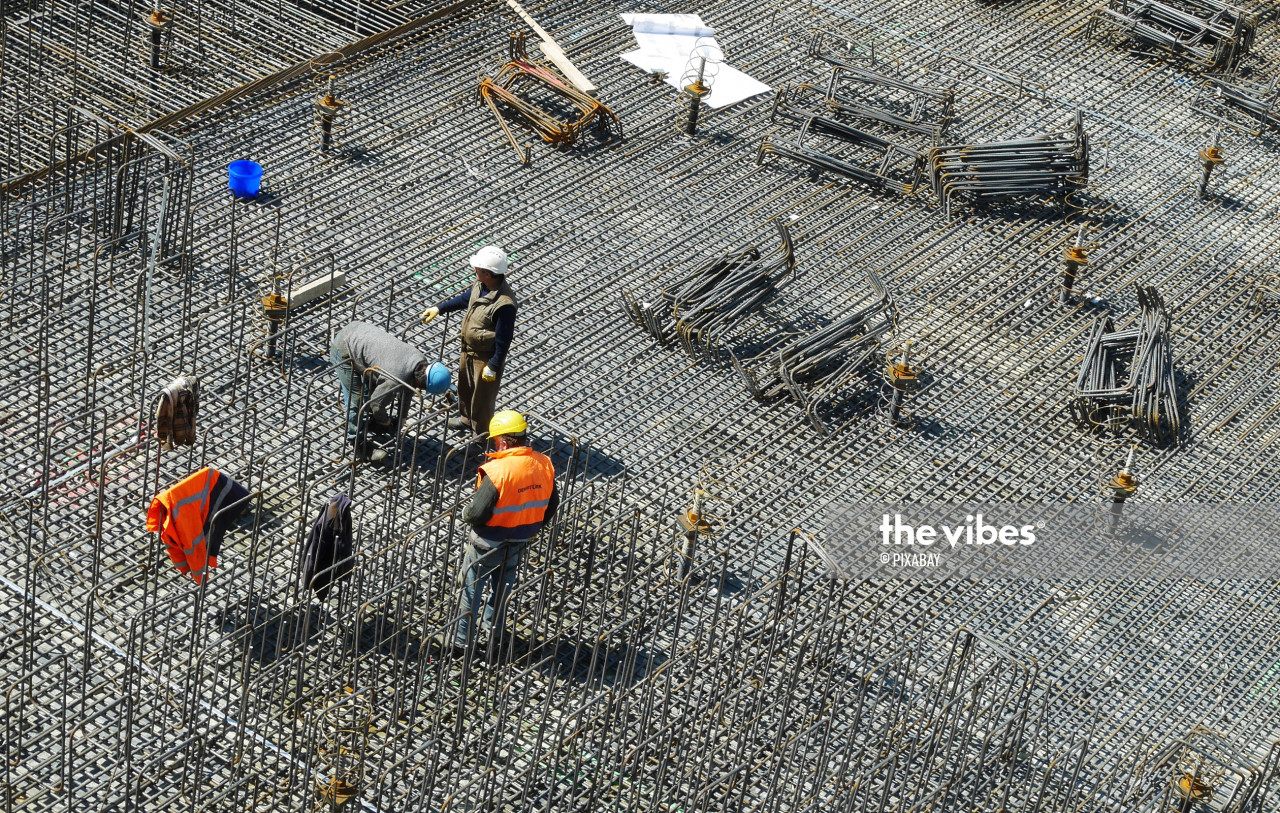
3. source the construction costs locally to cut importing inflation and shorten the construction period by developing and expanding local industries and manpower in the production of raw building materials and using local manpower by leveraging on technology-based construction methods such as the industrialised building system and modelling software such as building information models. Moving towards localising the construction costs holistically by focusing on technology-based methods is an opportunity for jobs creation for the public;
4. reduce unnecessary compliance costs. Utility companies should be carrying their own construction costs for the “last mile” and the practice of imposing such costs on the developer needs to stop immediately as such costs are only passed through to the buyer in the form of higher house prices. Costs for access roads and other common facilities, which the local authorities are obligated to construct, will need to be borne by the local authorities and the practice of imposing these costs on the developer similarly needs to stop immediately for the same reason. Premiums for land conversion need to be reduced or given a discount or, for certain affordable segments, not be charged any premium;
5. genuinely addressing corrupt practices in the industry be it at the level of the local authority, state authority or federal authority and removing loopholes that perpetuate and facilitate corrupt practices; and
6. tax benefits for developers to encourage lowering of house prices without affecting quality, livability, comfort, and structural safety.
Conclusion
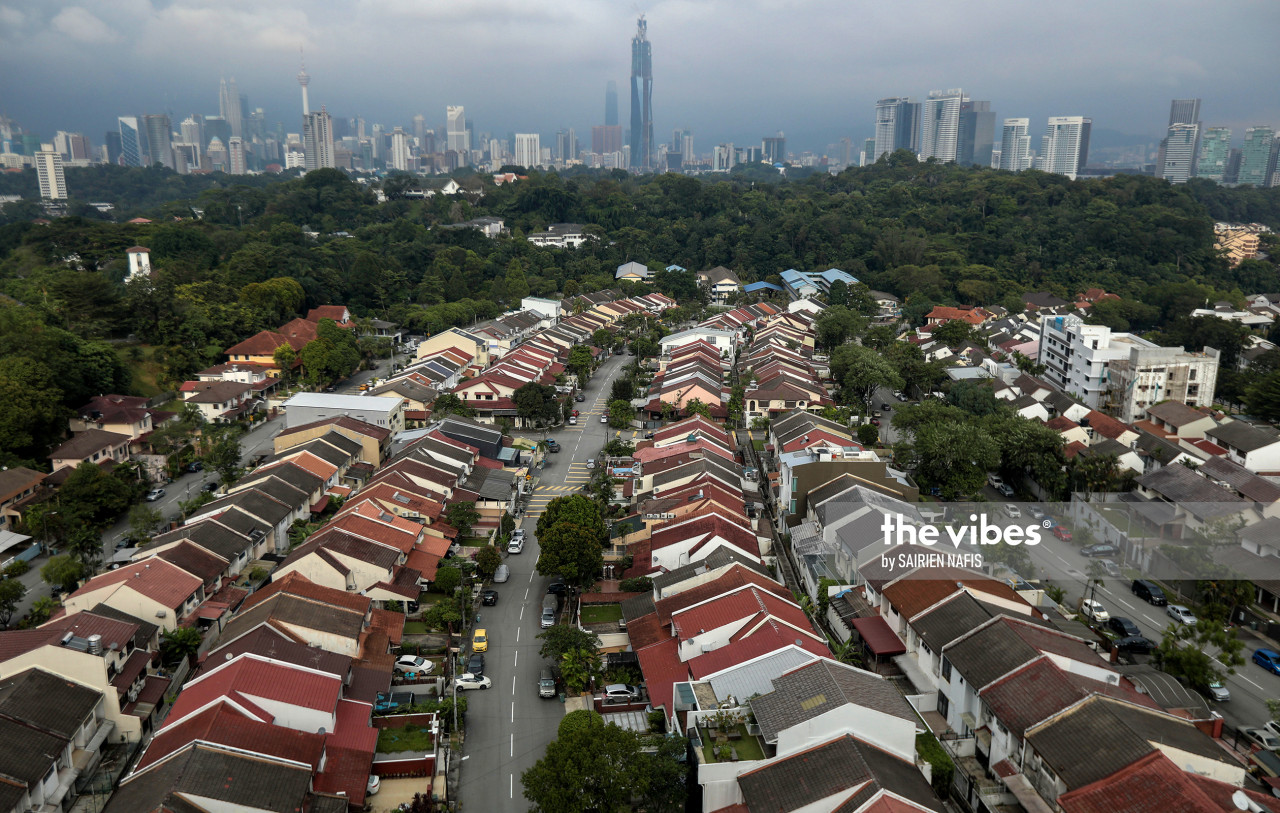
There is a need to revamp the system for the sustainability of the industry and fairness to the buyers. It extends further than having the BTS 10:90 or BTS 0:100. We need to start thinking of creating a system and building our capacity so that buyers are able to buy in cash or take up short-term repayment loans of five to 10 years.
There should also be a cap on the interest rate for housing loans (which should be separate from corporate loans) at 1% for one house purchase (additional purchases by the same buyer will be subjected to market-driven interest rates on their housing loan) as owning a house for the majority of the rakyat means having shelter and stability to lead their lives. Not all Malaysians are short-term investors or thinking of earning a living by flipping houses.
Islamic loans require a revamp as well. Islamic housing loans cannot claim profit by imposing double the amount of the actual price. This is excessive profit which is tantamount to usury or riba. Islamic loans should also not be affected by changes to the overnight policy rate (OPR) because the basis of Islamic loans in housing is to assist the borrower to have shelter and not to overly burden the borrower with death-defying repayment periods.
Merely stamping the loan with the word “Islamic” without having the characteristic of fair dealings will not make it Islamic and free of usury or riba. The reason why riba is detested in Islamic principles and the faith is because it causes hardship.
The current practice of Islamic loans causes hardship. The loan amount plus profit that is required to be repaid is double the original house price, it is subject to OPR fluctuations and calling it the “base financing rate” is mere window dressing.
The long repayment period puts the borrower in the same situation of facing the risk of not being able to repay the loan and losing their house, which is no different from conventional loans.
Changes to insurance premiums on the housing loan should not be introduced in the middle of a pandemic or any other disaster as what was allowed in 2020/2021. The argument is that the coverage is widened but these unilateral changes affect the cash flow of consumers, who generally do not draw a claim but are made to cough up extra cash for the hiked-up premiums during a period of hardship.
These are some of the wishes of the HBA for the benefit of the rakyat. – The Vibes, October 1, 2022
The National House Buyers’ Association is a voluntary non-government and not-for-profit organisation manned wholly by volunteers