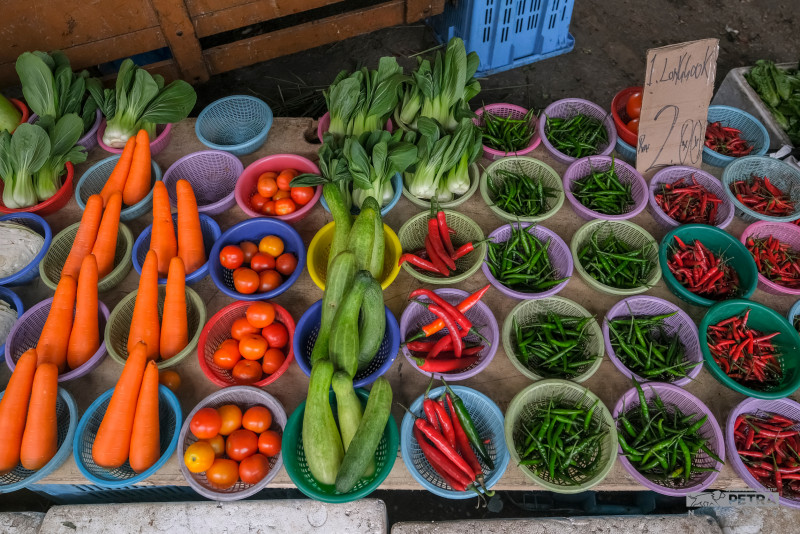
IN 2021, Malaysia imported a staggering RM63 billion of food. The recent shortage of chicken and high food prices have created an awareness of food security in Malaysia.
Politicians from across the racial, religious and ideological divides have held forth on this issue and rightly so. At the recent United Nations General Assembly, all heads of governments were turning their attention from Covid-19 to the disruption of supply chains for food and other necessities that the pandemic caused.
All of a sudden, food security has become a matter of grave concern.
Inevitably, questions concerning the issue have leapt from the periphery to the centre. Nobody can be taken seriously who trivialises the importance of these questions.
As in all such transformations, people are apt to ask fundamental questions. Is Malaysia facing a serious food security threat?
The short answer is not now. Food security is measured mainly by four criteria: availability, affordability, safety and quality, natural resources and resilience.
Malaysia is ranked number 39th in the global food security index and 2nd in Southeast Asia. Not a bad position, given that our agriculture sector, once the mainstay of the economy, has been neglected for many years.
However, the year 2020 and beyond has altered perspectives, compelling the weighing of issues about food, its cultivation and supply into matters of grave concern.
Four major developments have caused serious concern over food security globally as well as in Malaysia.
First and foremost, the lockdowns brought on by the Covid-19 lockdowns caused global supply chain disruptions. It has changed the supply chain forever, including the trade in food.
Secondly, the trade war and decoupling of China and the US have spilled over to food trade as well. The trade war will intensify in the foreseeable future.
The third factor complicating matters is the Russian and Ukraine war that began on February 24 this year. Prior to the start of hostilities, Ukraine was responsible for 30% of global wheat supply and Russia was the largest fertiliser export country in the world.
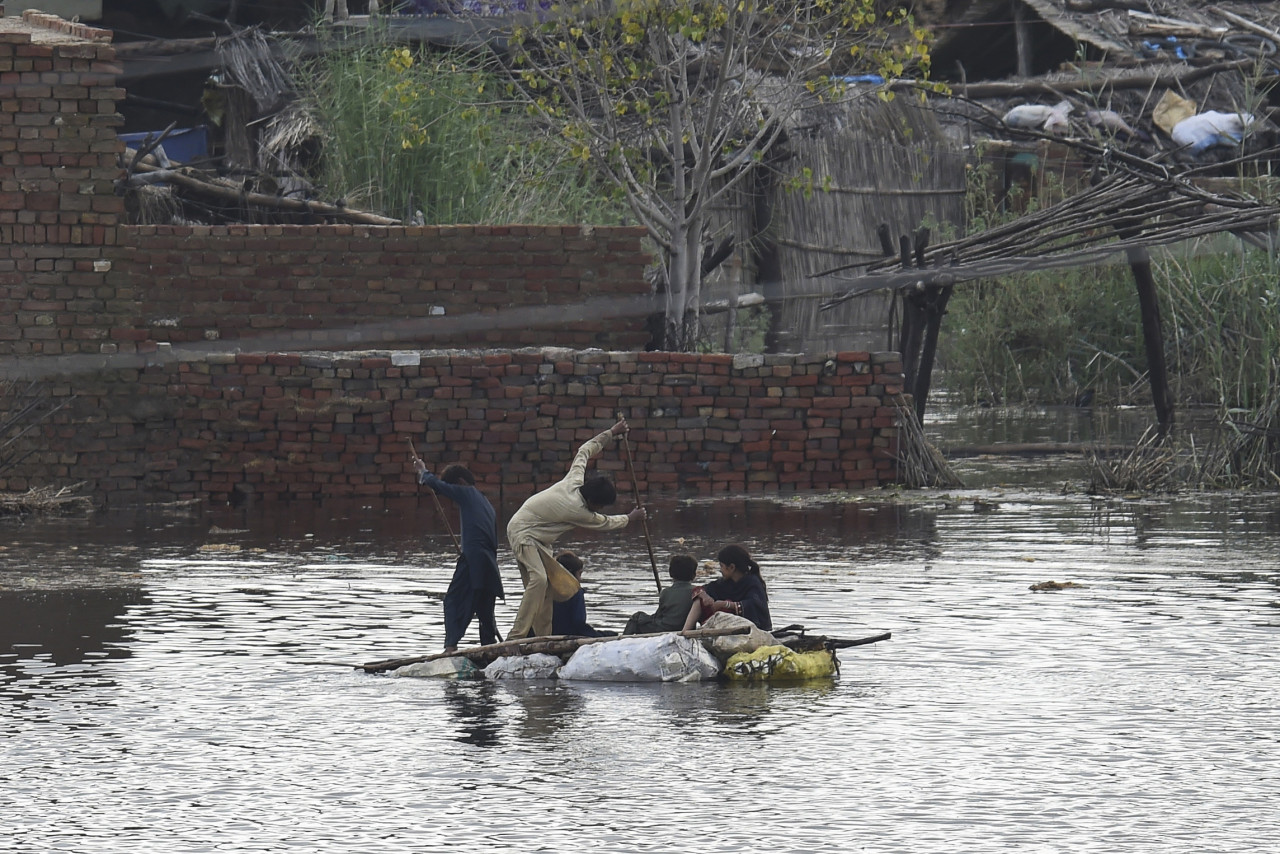
The fourth and likely the most important development is climate change. The incidence of extreme heat waves, followed by droughts, and unprecedented floods that occurred in countries like Pakistan, combined to reduce global food supply.
The scale and intensity of these disasters jarred climate change deniers out of their complacency and forced them to acknowledge that climate change presented a challenge that policymakers had to factor into their calculations of the future.
In Malaysia, food security overnight became a matter both government and opposition politicians had to reckon with.
How do we as a country prepare for the looming food security crisis?
I would like to propose five action items to make Malaysia more resilient in our agriculture and food industry.
1. Agriculture land reform
Land is key to all agricultural advancement. If more land is allocated to farmers, more food can be produced. Peninsular Malaysia currently has 8 million hectares of agricultural land. Around 6 million hectares or 75% are allocated to oil palm plantations. Another 1 million hectares or 12.5% are for rubber plantations. This leaves only 1 million hectares for all agro-food activity and this includes paddy, vegetable, fruit farming, ruminants, fish and shrimp cultivation. Limited supply of land has severely hindered agricultural advancement in Malaysia.
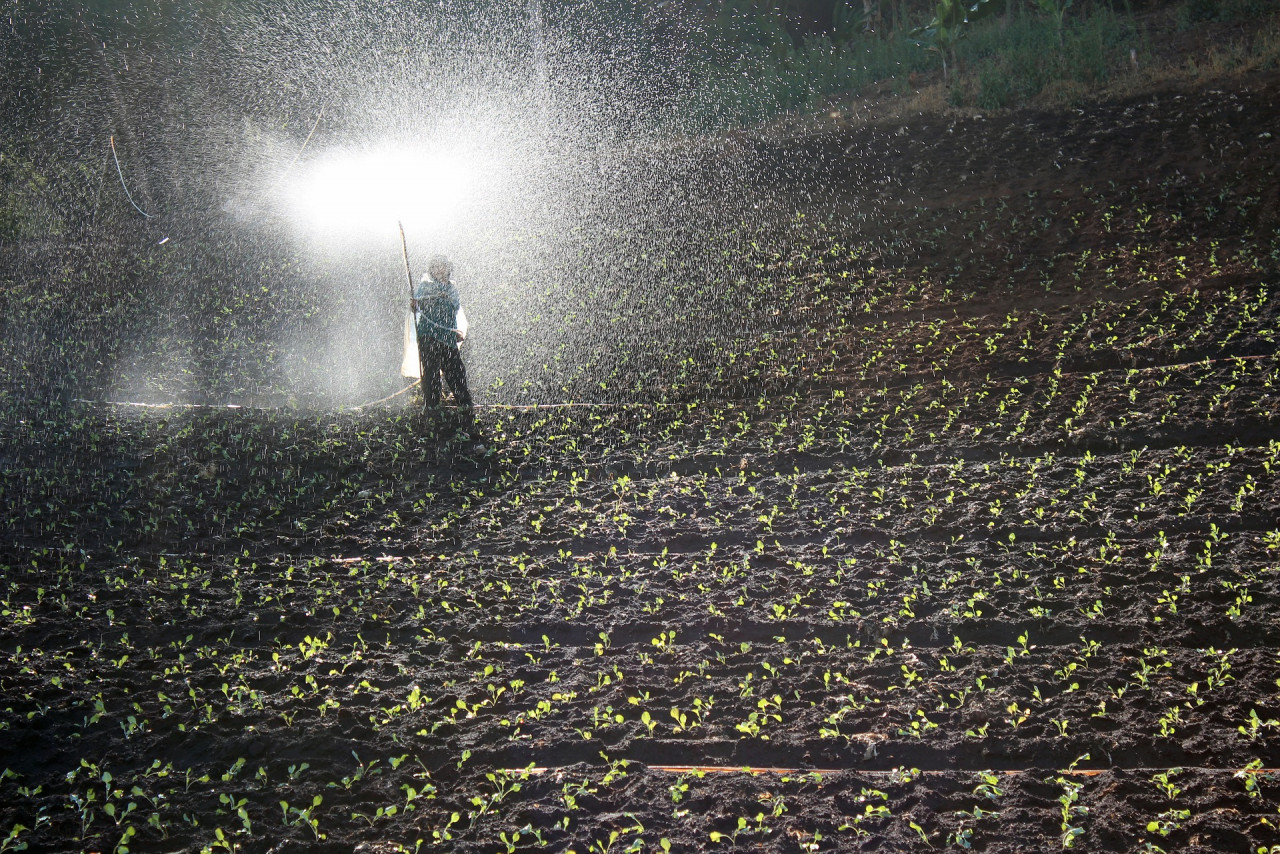
With limited land available, small farmers often face a multitude of problems. New entrant farmers have difficulty applying for agricultural land.
Small farmers are often given small land plots, averaging 2-3 acres. They also face short land leases, sometimes requiring annual renewals. As a result, they are unwilling to invest in technology and grow their farm business.
Ironically, big corporations have no problem applying for thousands of acres from the government. From Baling, Kedah, to Raub, in Pahang, to Lojing Highlands, big companies can obtain thousands of acres for durian and vegetable plantation agriculture. In contrast, small farmers can only dream of this bounty.
To ensure food security must be premised on agricultural land reform.
Reforms must take the shape of land redistribution. There must be a proper plan to allocate more agricultural land for food farming.
The available land must be transparent and open to genuine farmers. The land tenure must be long enough for farmers to grow their businesses.
The state governments must also work hard to eradicate rent seekers who lease agricultural land and rent it to farmers. This systemic problem has burdened genuine farmers and caused food prices to go up.
Agricultural land reform must be comprehensive and should cover all states in Malaysia. We must engage with all stakeholders – the state governments, farmers, the land code and all legal matters.
The solutions must also be comprehensive such that agricultural development becomes sustainable.
For agriculture land reform to happen, I would like to suggest the federal government, via the National Land Council which is chaired by the prime minister, take the lead and commission a comprehensive study.
This top-down approach will ensure that the future suggestions and roadmap will be applicable to all states. State governments must not resist change. The current agriculture land restrictions have seriously curtailed the development of the agricultural sector. For things to change, state governments must change too.
2. Technology in farming
Farming used to be seen as backward and unsophisticated. With new farming technology, modern farming is now a high-tech, high-investment business.
Modern farming can apply technology to the entire supply chain. Take vegetable farms as an example. Modern vegetable farming started from laboratory research to produce quality seeds. After that, farmers invested in modern greenhouses with IoT control of climate and optimisation of fertiliser application to save costs and prevent wastage.
Modern vegetable farms can also use high-definition cameras to identify pests and release bio-control to control pests. Harvesting can also be done with modern automation systems. Vegetable plant factories can also be set up in urban areas using LED lighting to replace sunlight.
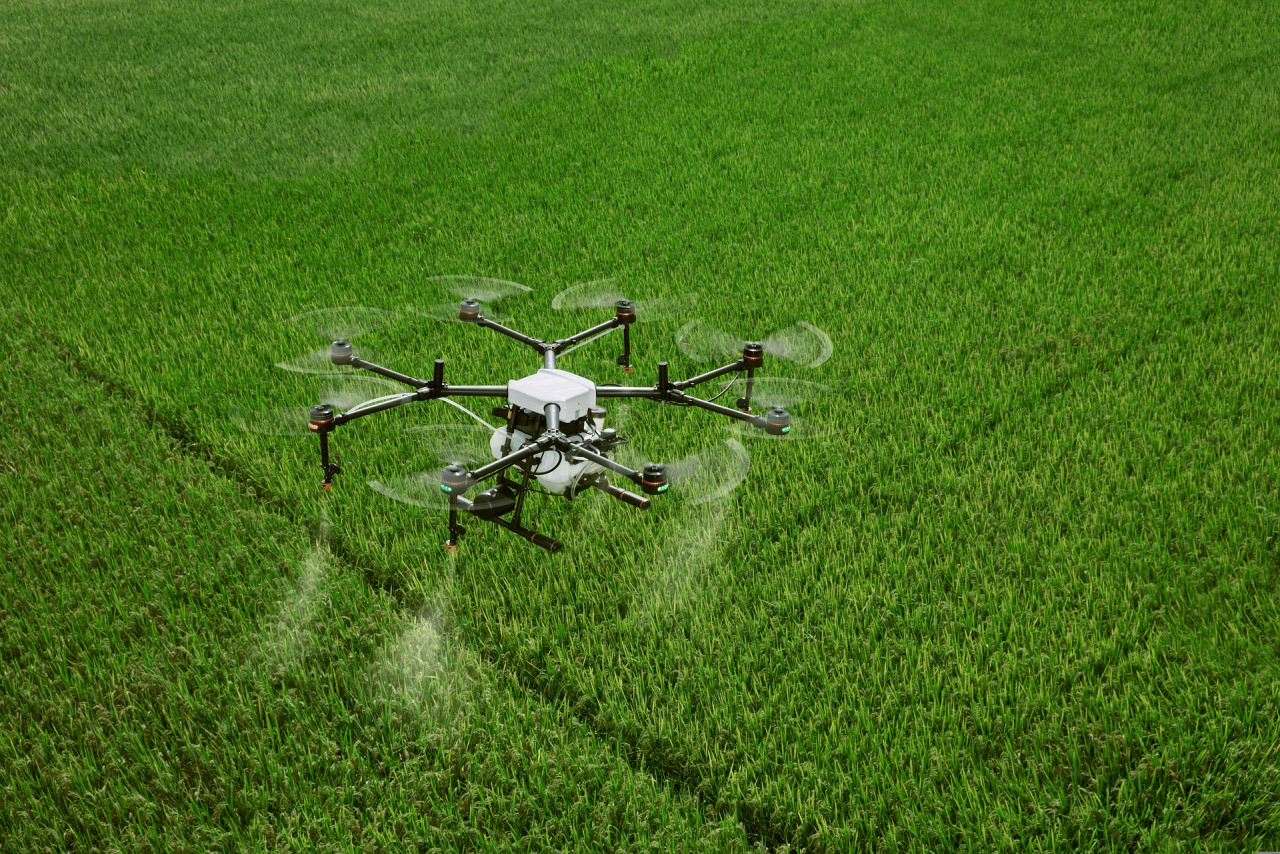
Modern paddy planting can use GPS-guided, unmanned autonomous vehicles to plant paddy. Farmers can then use drones to apply fertilisers and pesticides. And use GPS-guided autonomous vehicles to harvest.
These farming technologies are already in the market. In a few years, they will be fully commercialised and will transform the agriculture sector. Malaysian farmers must quickly change their mindset, embrace change and adopt these technologies in stages.
Technology can transform our agriculture sector into high-yield, high-efficiency modern farming. It will reduce costs of production and make our ex-farm prices competitive. With higher yields and stable supply, we can import less vegetables and rice from abroad. This will improve food security in Malaysia.
3. Malaysia as agricultural export nation
Malaysia has long been a successful trading nation. We must not look inward to just thinking about self-sufficiency. Malaysia must work towards export-based agriculture. Our objective should be set at producing international quality farm products.
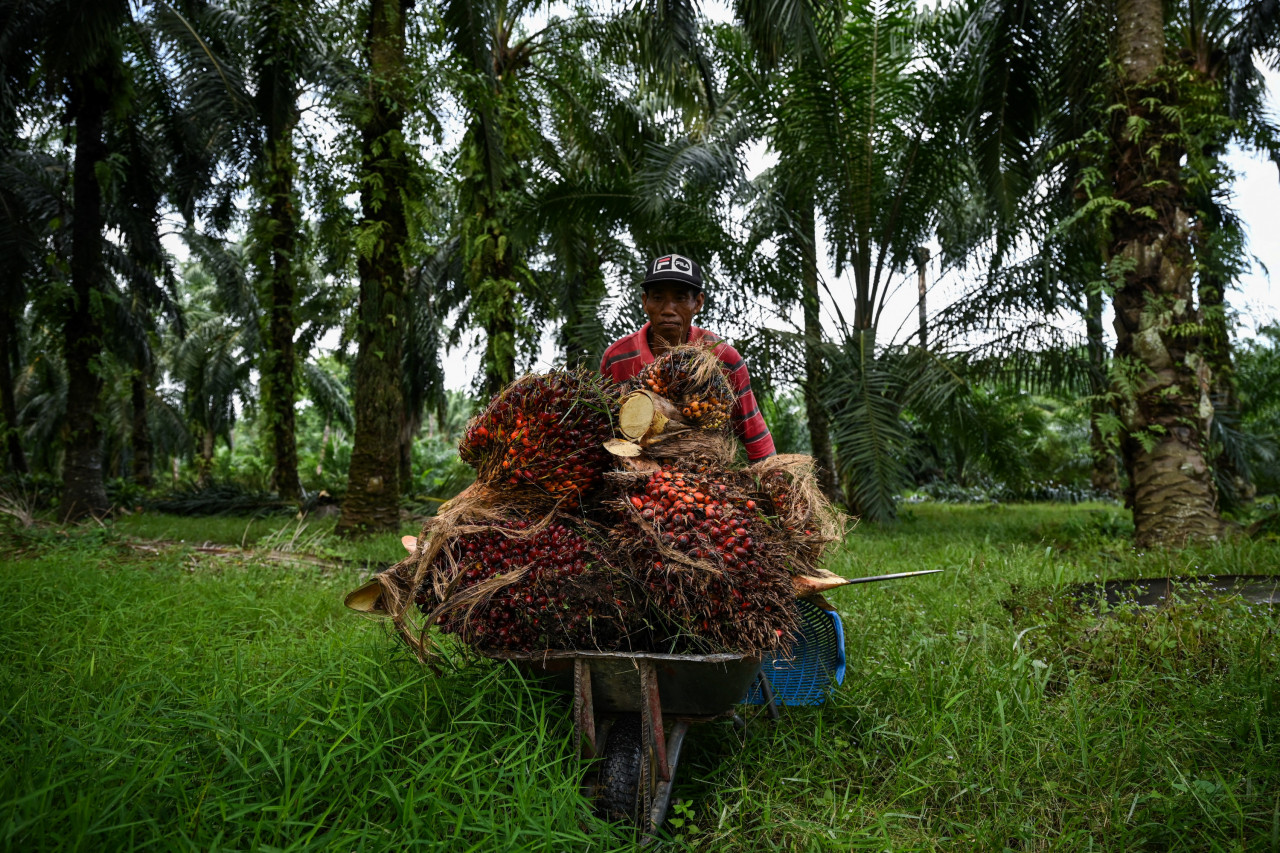
When we set national objectives as an agricultural export nation, then our agricultural policies, education policies and trading policies will change to support the national goals. We will then focus on the qualities of our farm products to meet international standards. We will intensify our R&D to generate products based on importing countries. We will also refocus our education policies to educate more farming experts and agronomists. Our trade representatives around the world will also focus on finding new markets for our farm products.
Malaysia as an agricultural export nation is not a dream. We have been successful in exporting palm oil to the world. We are currently a big exporter of shrimps to the US and Europe. We are also exporting tomatoes to the Middle East. We are also exporting vegetables and poultry to Singapore and Brunei.
By making Malaysia an agricultural exporting nation, we can greatly improve the qualities and quantities of our farm products. By improving quality and yields, it will benefit the country in terms of food security and food safety.
4. Work on Malaysia’s comparative advantages
Food trade across the world started thousands of years ago. There were silk roads as well as spice trades from Asia to Europe. In a globalised world, international food trade will increase by leaps and bounds. Therefore, for Malaysia’s agriculture to thrive, we must work on our comparative advantages.
Malaysia has several comparative advantages. Palm oil is one of the best crops that we produce. In terms of food crops, Malaysia’s tropical fruits segment such as durians, pineapples, poultry farming, fish and shrimp farming are success stories. We can further work on several emerging sectors such as modern vegetable farming to reduce our reliance on imports.
In 2021, Malaysia imported RM63 billion worth of food. It was alarming. But, if we improve our agriculture sector, we can greatly reduce our food import bill. If we further improve our comparative advantages by exporting more high-value agricultural products such as palm oil, fish, poultry, durians and pineapples, we can improve the balance of trade and even make food trade a surplus!
5. Attracting agricultural talents and investments
Just like any other business, agriculture needs talent and investment. The major challenges in agriculture are the long return on investment and the lack of talent in the sector. For example, investment into durian farms is big and will only start bearing fruit after seven years. Malaysian universities hardly produce graduates in agriculture. Without passionate farmers and experts, farms will fail.
To attract talent and investment, governments must incentivise investments. When farmers see potential profits, they will invest and draw new farmers into the sector.
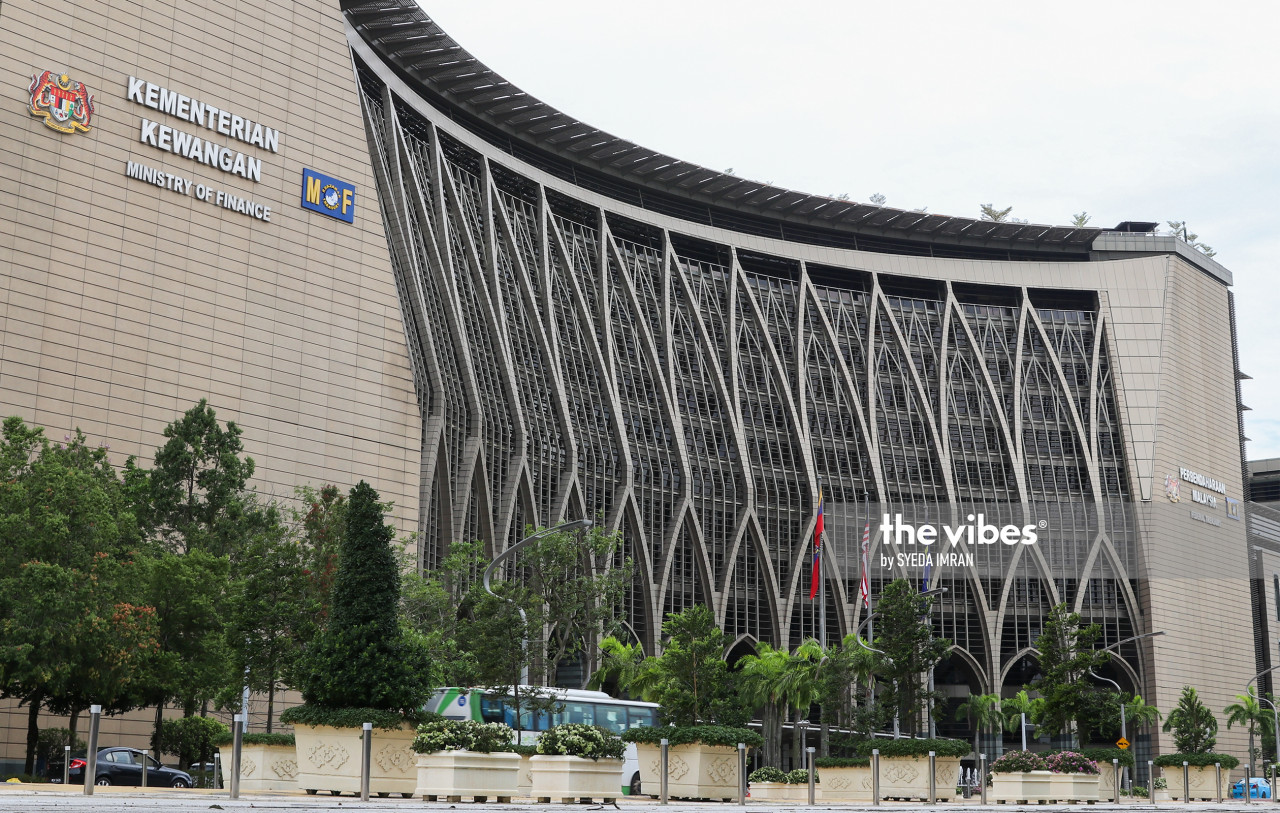
To be fair, the government is currently giving tax free incentives for agricultural investments for 10 years. However, the application process is long and complicated. Most farming companies complained that they failed to get the tax exemption status. The Finance Ministry (MoF) does not have enough expertise to evaluate investments in agriculture. They are currently focusing on big investments, while the vast majority of small farmers can hardly get tax incentives. I urge the MoF to seriously reform the current tax exemption application process and system. It must be made easy for farmers who are often not sophisticated enough to apply for complicated tax exemption. When more farmers make money from agriculture, they will produce more.
In conclusion, the government of Malaysia after GE15 must have the vision and mission to tackle food security. I had the honour of being a deputy minister of agriculture, a stint that afforded me an understanding of our food security challenges.
It is not a dream to improve food security in Malaysia. It can be done. We need vision, right policy and right implementation to get there. – The Vibes, October 2, 2022
Sim Tze Tzin, a former deputy minister of agriculture, is the MP for Bayan Baru