THAT the prime minister and Umno found it fit to trigger a general election amid the incoming monsoon is very telling of how our nation has ignored science and climate change.
This is, of course, not the first time.
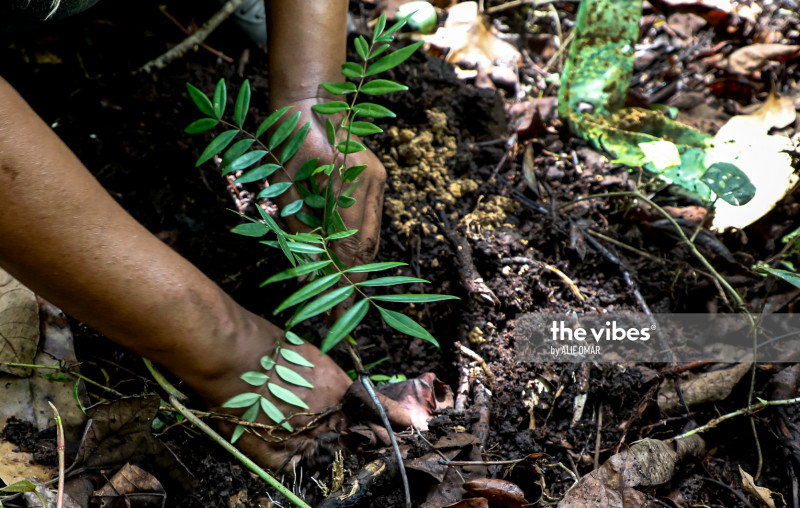
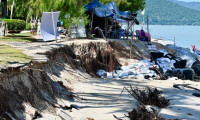
Malaysia has one of the highest deforestation rates in the world, which has manifested in the recent terrifying “banjir balak” (log flood) in states like Pahang.
Our National Energy Policy launched in September sets a dismally low target of 17% renewable energy in the total primary energy supply by 2040, while the rest of the world is turbo-charging towards renewables at warp speed.
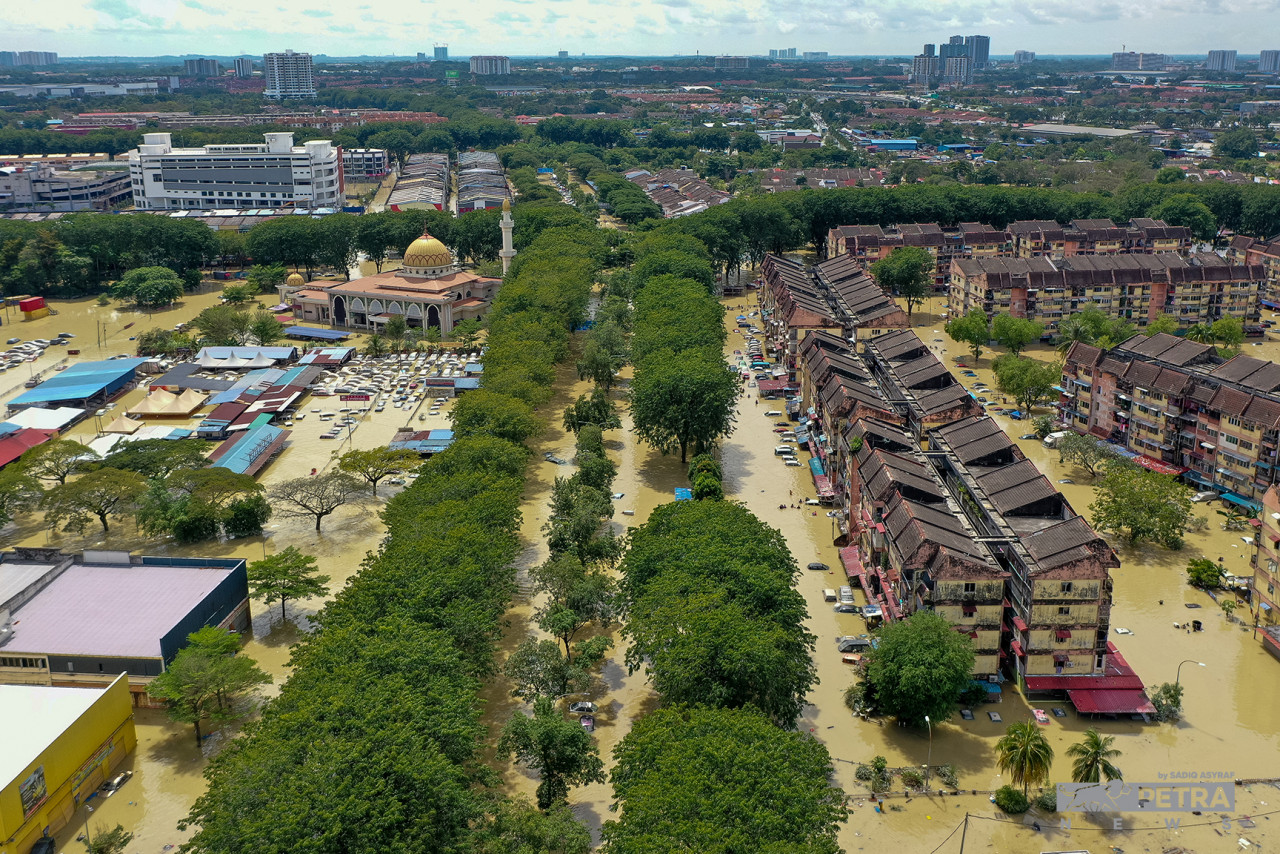
Forget climate mitigation – we are wholly unprepared for climate adaptation too. This is seen in repetitive flash floods in Klang Valley and a damning auditor-general’s report implicating an incompetent DBKL.
But who will suffer the worst effects of climate change? The children and youth of today, in 20-30 years’ time.
But their voices remain muted today in an arid political climate, crowded by backwards-looking leaders who refuse to make way – distracted by racial narratives which will prove entirely useless when up to nine Malaysian cities are expected to be submerged underwater by 2050.
All this talk about supposedly skyrocketing gross domestic product numbers and increasing foreign direct investments will be meaningless if we do not adequately prepare for the climate change and environmental catastrophe that is about to hit us.
Simply put, Malaysia needs our version of a “Green New Deal”.
The “Green New Deal” is a radical climate change policy necessary to save the planet, first brought to popular discourse by the inspiring US congresswoman Alexandria Ocasio-Cortez – and we desperately need it now.
What would Malaysia’s version of the “Green New Deal” (or Rancangan Hijau Malaysia) look like?
In my humble view, below are 10 things which must be part of our Rancangan Hijau Malaysia:
1. Rapidly investing towards renewable energy to achieve at least 50% of the total primary energy supply by 2040 (in line with best practices across the globe), which will, in turn, create high-skilled jobs for many Malaysians.
In particular, residential homes can be heavily incentivised to pivot to solar energy, as Australia has successfully done.
2. Imposing a moratorium on, or drastically reducing the degazettement of forests throughout Malaysia for logging, plantation and mining.
This means maximising the use of Ecological Fiscal Transfers (ETFs), whereby the federal government allocates at least RM1 billion to state governments as an incentive to no longer degazette forests.
The percentage of protected areas and marine protected areas must also increase to 30% by 2030, so as to legally shield these precious areas from being exploited.
3. Adopting Strategic Environmental Assessments in any development plans devised by the National Land Council and National Physical Planning Council moving forward, as recommended by OECD and the EU.
A coordinated eagle-eye analysis to integrate environmental considerations into plans must be done, instead of our piecemeal approach to clearing forests, mangroves and water ecosystems at the state level using the Environment Impact Assessment (EIA) process.
4. Drastically improving the existing EIA process, such as mandating EIA reports to be produced by independent agencies, increasing the number of “prescribed activities”, ensuring meaningful public participation and upholding transparency at all times.
5. Ensuring all future townships adhere to the “15-Minute City” concept, whereby city residents can meet most of their needs within a short 15-minute walk or a bicycle ride from their homes.
This means efficient public transit, increased pedestrian walkways and bike lanes, and a healthy mix of homes, businesses and public spaces in urban planning.
6. Enhancing public transportation to achieve at least 70% public transport modal share by 2040 (the current figure under the National Energy Policy is 50%) to reduce reliance on carbon-emitting cars.
At the same time, implementing a National Electric Vehicle (EV) Policy so businesses and the public are clear of the nation’s EV goals and how the government plans to address structural problems like the lack of charging stations.
7. Increasing Malaysia’s food self-sufficiency capacity to 60% by 2030 to ensure we have food security as we currently import 60% of our food.
This means encouraging youths to partake in modern farming, investing in strategic agricultural produce which we currently heavily import, stopping the eviction of farmers on government lands, creating a National Food Bank of strategic reserves and improving logistics to reduce food losses.
8. Urgently enacting a Climate Change Response Act (similar to New Zealand and the UK), which sets out in law Malaysia’s carbon emission and forest cover targets by 2040, with mechanisms in place to hold the government accountable to achieve such targets.
9. Forming an independent National Climate Change and Environment Council, which is composed of our top climate change and environmental scientists, non-governmental organisation leaders, public policy experts, youths, children, farmers, fishermen and the indigenous community.
It is time the voices of those most affected are heard. Their task is to advise the government on climate change and the environment, as well as to publish annual reports which must be debated in Parliament.
10. Creating a Social Climate and Environment Fund, which provides monetary aid to groups adversely affected by climate change, such as flood victims, indigenous communities, fishermen, and others.
This list is not exhaustive. Much needs to be done in other areas, particularly on climate adaptation measures such as flood mitigation – but this is a start.
How do we fund this? There are at least three ways.
First, a higher portion of the annual budget has been channelled to protect the environment (Budget 2023 allocates only 0.007% directly to environmental protection).
Second, there must be an aggressive drive for green financing, similar to how Singapore plans to issue S$35 billion (RM 114.35 billion) of green bonds by 2030 to fund public sector green infrastructure projects. Malaysia is already leading in green sukuks since 2017, and must scale-up.
Third, Malaysia must demand that developed nations pay their fair share to support developing nations, a gap highlighted in the recent UN IPCC report.
I sincerely hope that any political party which intends to form the government will give climate change and the environment the utmost priority. Our future is in dire peril if we maintain the status quo – we may not see it now, but our youths and children most certainly will.
An urgent reset of our economy must be done – where we ditch our old fossil fuel-dependent tree-cutting ways, to a brighter future for all with renewables and greenery to sustain generations to come.
As Greta Thunberg said:
“Adults keep saying: ‘We owe it to the young people to give them hope.’ But I don’t want your hope. I don’t want you to be hopeful. I want you to panic.
“I want you to feel the fear I feel every day. And then I want you to act. I want you to act as you would in a crisis. I want you to act as if the house is on fire. Because it is.” – The Vibes, October 13, 2022
Lim Wei Jiet is a co-founder and central executive committee member of Muda




.jpeg)