.jpeg)

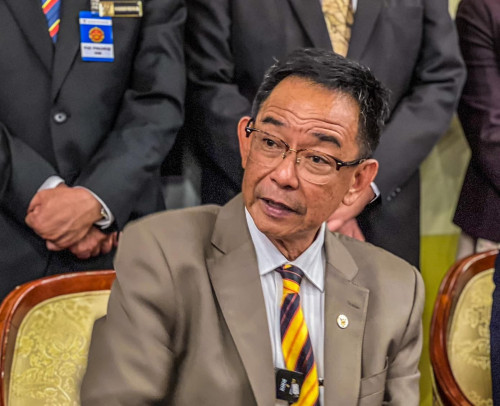
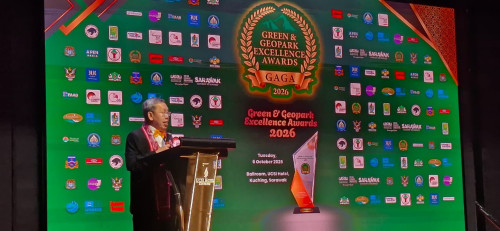
PROMINENT green activist Anthony Wong Kim Fei has called on hotels in the country to adopt the Asean Green Ratings now as part of their migration towards sustainability.
Also, with the compulsory adoption of the environmental social governance (ESG) standards by 2030, Wong said that hospitality properties need to be ready from now.
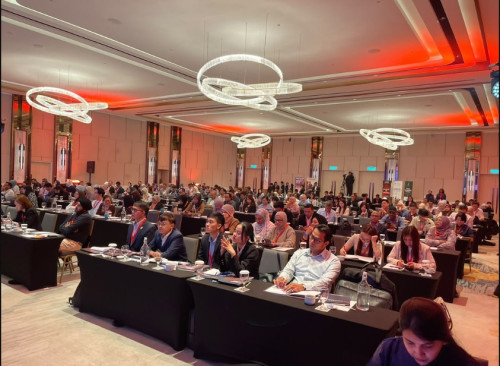
The Asean Green Hotel rating tools, are considered the most generic and affordable for hotels to adopt, said Wong at the train the trainer initiative at The Frangipani Langkawi.
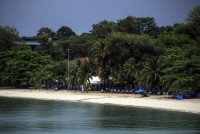
Wong, who owns the Frangipani, which is acclaimed as a leading locally managed green property in the country, said that there should be a uniform code for hotels and resorts.
Certain states like Penang are adopting their own code.
At last count, there are over 350,000 hotels registered in the country with the most in the Klang Valley.
Malaysia Association of Hotels (MAH), as the official network of hotels in the country, is the largest, offering over 150,000 rooms with over 1,000 member hotel executives.
Wong has reached out to MAH, the Malaysian Budget and Business Hotels Association (MyBHA) and the Malaysian Association of Hotel Owners (MAHO) to adopt the Asean green hotel rating code.
The code is also in sync with the Green Building Index, which is widely recognised by the Federal Government.
It is seen by Wong as a standard beyond ESG, it meets the United Nations 17 sustainable development goals, and most importantly, it is carbon neutral.
Wong said that it is easy to champion sustainability but to act on the matter is another aspect altogether.
Hotel operators have cited costs as well as the lack of supporting industries to help realise the green aims, while the push factor among the guests is not realised.
Hotel managements also find it difficult to convince their owners to invest in greenery measures due to the costs.
But chief among the initiatives, which is to reduce the use of plastics in hotel operations, have begun to be unleashed especially among international brands.
Many hotels have stopped mineral water bottles in their respective properties.
But Wong said that discarding plastic mineral water bottles in rooms is not the sole green statement.
Under the Asean ratings code, Wong said that there is huge emphasis on recycling, growing food produce, alternative energy, waste treatment and outright bans on plastic.
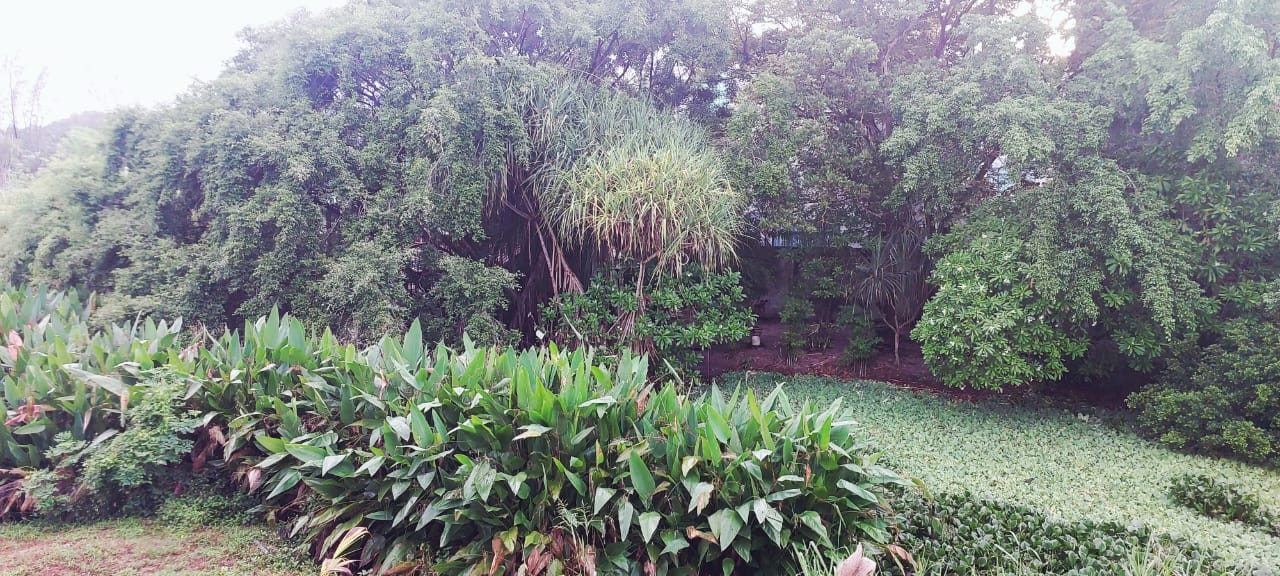
His resort has a wetlands and vegetable gardens to compliment hospitality services, while he offered a tip that by placing leaves near air condition compressors, it has shown to make the air cooler inside.
There is also an emphasis on human and worker rights while adopting the sustainable practices, he said at the training programme which ran for five days at his resort.
It is also inadequate to adopt and enforce the code, it must be audited by external elements, he added.
Wong cited a breakthrough, using the Frangipani as an example when he revealed that he managed to reduce his utility water bill expenses by five percent.
Most evident was that his resort in Pantai Tengah, has brought down the utility electric costs to four percent from a previous eight to 15%.
This is after his adopted energy saving measures, while also tapping alternative sources such as solar.
"And mind you, these are audited numbers."

Such figures were also attained despite the rise in occupancy as tourism makes a comeback.
Wong said that hotels continue to struggle in sustainability, citing that since 2008 when the Asean green rating was made available, only 12 premier hotels have adopted it.
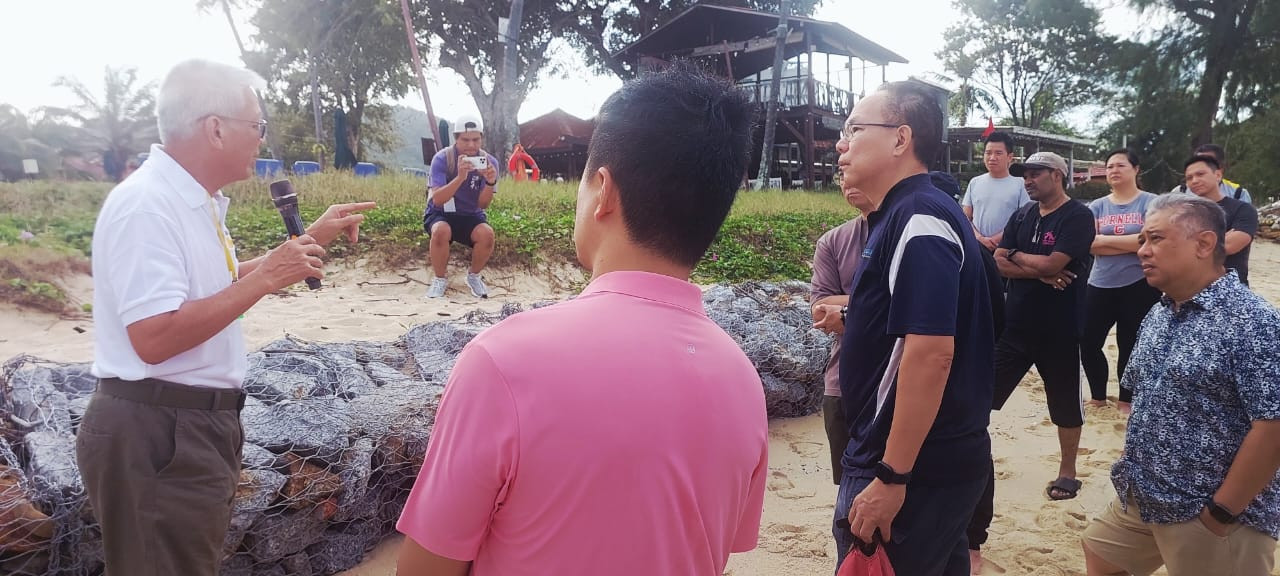
Among the leading brands are the Shangri-La Group and Mandarin. Wong also disclosed how natural barriers have helped his resort weather beach erosion, which is part of the advent of climate change.
Former Malaysian Nature Society Langkawi chapter chairman Eric R. Sinnaya shared Wong's vision for hotels but stressed that sustainability is part of a shared responsibility.
"We discard debris in our open seas. It may not come back to haunt us but it may drift to other countries."
Sinnaya said that there is a need act rather than preach when it comes to the environment, as the weather is changing now, and eventually. - November 12, 2025.