MANY governments in South-East Asia and around the world are looking for innovative and cost-effective ways to boost their higher education capabilities and expand access to quality education for their students.
They also have ambitious plans to create regional education hubs to attract top talent and education resources to their countries. Many of these ambitions are underlined by policies that have an internationalisation element. Universities are encouraged to develop partnerships, exchanges, and relationships with overseas counterparts, which can help improve their teaching quality and increase their students’ international competitiveness.
One important type of internationalisation activity is transnational education (TNE), which refers to partnerships that allow students to earn overseas qualifications through studying in their home country.
South-East Asia is a major host of TNE programmes, with more than 83,000 students across the region enrolling in a UK higher education programme in the 2020-2021 academic year and many others taking up courses offered by universities in other countries such as Australia, the US or China. Two countries in the region, Singapore and Malaysia, are among the top five hosts of UK TNE students worldwide.
The education landscape in Malaysia
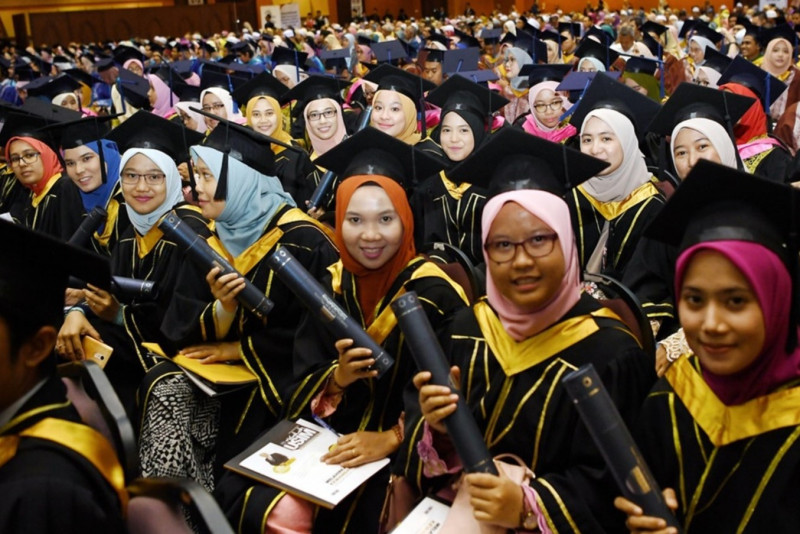
Malaysia, with over 46,000 students in 2020-2021, has more TNE students enrolling in UK higher education qualifications than any other country besides China or the UK itself. Private Malaysian colleges have a long history of partnership with UK institutions to offer UK qualifications in Malaysia. These are either delivered entirely within the country; or with students completing the final part of their course in the UK. The UK also has the largest number of branch campuses in Malaysia.
TNE is now very prominent and is one of the unique features in Malaysia’s education landscape. The UK and Malaysia have an impressive track record of education collaboration. Since the launch of the first UK-Malaysia TNE joint programme more than thirty years ago, it has been absolutely amazing to witness UK-Malaysia TNE collaboration grow from strength to strength.
What makes TNE successful
Successful TNE partnerships are progressive in their approaches, starting with building the capacity of their local staff to investing in collaborative academic development, research, and strategic investment for the mutual benefits of both foreign and local partners.
Partners can leverage and engage local government, cities, and regional partners to catalyse opportunities in graduate employability, research and entrepreneurship, widening participation as well as to contribute to discussions and research to solving global and local challenges.
More importantly, of course, the heart of TNE success lies with the students. As the partnership between the UK and Malaysia continues to grow and strengthen, it is essential we equip young people with the tools to examine and critically engage with the world around them, to challenge norms and push forward academic thinking.
The ultimate aim of international education collaboration between the UK and Malaysia is to produce future leaders who understand both our countries and have the skills to take our bilateral relationship forward.
The future of TNE in Malaysia
As both the UK and Malaysia continue to develop our higher education offers, there is a lot to share, to learn from each other, to come up with new ideas /new initiatives in TNE, and to shift from more traditional teaching partnerships in TNE and transform to more in-depth collaborative academic and research development. There is significant potential for cooperation between individual institutions from the UK and Malaysia, between quality assurance agencies and between our governments.
TNE is a cornerstone of the UK-Malaysia education relationship and reflects the growing scope and depth of our education relationship. A commitment to ensure that TNE is delivered in a virtuous cycle eco-system focusing on quality student experience, excellent academic development, faculty collaborations, and research opportunities is key to drive UK-Malaysia education partnership to new heights in the next 30 years. – The Vibes, February 14, 2023
Jazreel Goh is the country director for British Council Malaysia