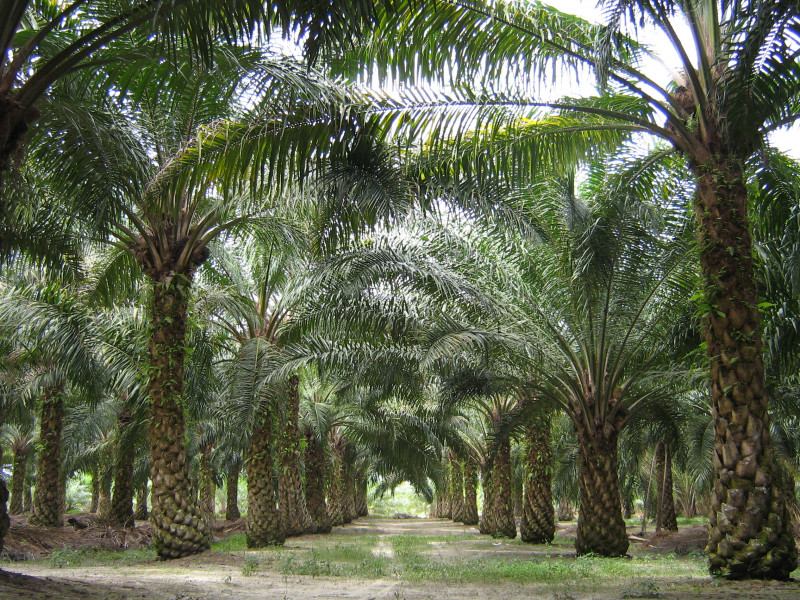
RIMBAWATCH is disappointed by the Environment Department’s (DoE) approval of an environmental impact assessment (EIA) for a palm oil project in Pahang, which amounts to 8,498ha of land.
This project involves the deforestation of intact natural forests nearly twice the size of Putrajaya, and is the largest single palm oil project approved in Peninsular Malaysia in recent years.
In particular, we are alarmed by the following key environmental issues:
The Malaysian Sustainable Palm Oil certification (MSPO) does not allow for deforestation to occur after 2020.
1. Malaysia is targeting 100% MSPO certification and has stated an intention to make MSPO mandatory for all palm oil plantations. Due to these regulations, this project cannot receive MSPO certification as its area will be deforested after 2020.
As it cannot be certified, the product can neither be processed nor exported – and therefore there is no economic case for this project. Furthermore, the approval of this project by the DoE is in direct conflict with Malaysia’s actions to accelerate sustainability in the palm oil industry and improve the international reputation of this commodity.
2. The project would result in unavoidable adverse impacts on the area’s ecology and biodiversity.
The clear-felling of intact natural forests will destroy habitats and cause ecosystem fragmentation. According to the EIA sighted by RimbaWatch, it recognises that the project area is inhabited by mammals and fauna considered to be near-threatened (NT), vulnerable (VU) and endangered (EN) according to the IUCN red list. The project area is inhabited by the elephant (EN), leopard (EN), Malayan tiger (EN), tapir (EN), sun bear (VU), and small otter (NT).
3. The EIA was approved despite there being inadequate measures to mitigate such impacts.
For example, the loss of biodiversity is addressed by measures including setting up signs to deter poachers and fencing the project site. None of these measures addresses the key issues of the deforestation of forests twice the size of Putrajaya, and the resulting habitat loss for endangered species.
4. The EIA fails to address the tremendous carbon stock loss that would result from the project, and in turn, it disregards the implications of forest loss on Malaysia’s overall carbon sinks.
Malaysia is internationally obligated to preserve and enhance its natural carbon sinks, including forests, through frameworks such as the Paris Agreement.
The lack of mitigation plans for climate risks is unacceptable in light of the climate crisis and the corresponding need for the government to drastically reduce emissions. Protecting our forests is key in limiting warming to 1.5°C.
5. The loss of forests increases the risk of human-wildlife conflict (HWC).
The EIA accepts that HWC is expected to occur and outlines the risk of conflict with pig-tailed macaques, wild boars, tapirs, leopard cats, snakes, sun bears, elephants, and even tigers.
These anticipated clashes with nature are likely to escalate the risk of crop damage, destruction of property and even injury or deaths. The economic and human costs of HWC in Malaysia are already high, and this project would only exacerbate this problem.
Furthermore, we are shocked by the following key social issues:
6. The project site overlaps with Orang Asli Tanah Adat (Indigenous customary territories).
The EIA misrepresents and downplays the concept of customary land and Indigenous land rights, which it only addresses by stating that the Orang Asli’s application for their land to be gazetted has not been approved by the Department of Orang Asli Development (Jakoa).
Not only does the EIA fail to recognise the Orang Asli’s rights to their lands, but it further claims that the project will not impact Orang Asli livelihoods or access to the forests.
7. The EIA fails to address the allegations that the Orang Asli’s consent to the project was fraudulently obtained.
It only mentions that Orang Asli communities within the project site have “agreed” to the compensation offered by the project proponent, yet make no reference at all to the blockades they erected in protest of the project.
8. There is an absence of any sufficient mitigation plans to address these potential human rights violations in the EIA.
9. Malaysia is a signatory to the United Nations Declaration on the Rights of Indigenous Peoples (UNDRIP).
Despite this, one of the key tenets of the UNDRIP, “Free, Prior and Informed Consent”, has allegedly not been followed by this project and the EIA fails to make any attempt to address this matter. Particularly, in light of the recent judicial review filing by seven Orang Asli from Kg Berengoi-Mesau claiming that the approval breaches their right to a clean, safe and sustainable environment under the constitution.
Therefore, RimbaWatch calls on the DoE to retract its approval of the EIA on the basis that the project involves potential human rights violations, large-scale deforestation, biodiversity loss and climate risks that cannot be adequately mitigated.
Additionally, we urge the DoE to implement stricter guidelines and a more stringent approval process to ensure that any future proposed developments adequately protect Malaysia’s biodiversity and citizens. – The Vibes, April 4, 2023
RimbaWatch is an environmental watchdog building an independent, timely and open inventory of data and analytics on deforestation, climate change and human rights issues in Malaysia.






.jpeg)