THE Consumers’ Association of Penang urges all MPs to support the Poisons Board in retaining nicotine as a controlled substance in the Poisons Act.
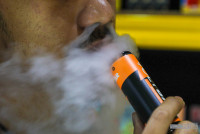
We urge the government to pass the Generational Endgame (GEG) bill to prohibit tobacco and vaping for anyone born after 2007 without any changes to the original content. The call for GEG is grounded in current events and scientific evidence.
Allowing electronic nicotine delivery systems and heated tobacco products would undermine the objective of the World Health Organisation Framework Convention on Tobacco Control to denormalise smoking and tobacco use.
Currently, nicotine is categorised as a Group C poison that requires a licensed pharmacist or a registered medical, dental or veterinary practitioner to sell any form of a preparation containing nicotine under the Poisons Act 1952.
The way forward to curb future nicotine addiction among future generations is by emulating Australians. From 1 October 2021, all nicotine vaping products, such as nicotine e-cigarettes, nicotine pods and liquid nicotine, are classed under Schedule 4 (prescription only) medicines. Hence, a person cannot buy any of the products without a doctor’s prescription.
Accidental nicotine poisoning among children is on the rise in Malaysia. The Universiti Sains Malaysia-based National Poison Centre reported 66 calls of vaping-related poisoning between January 2015 and August 2022. Most of the cases involved children aged between one and four years old, the youngest being 4 months.
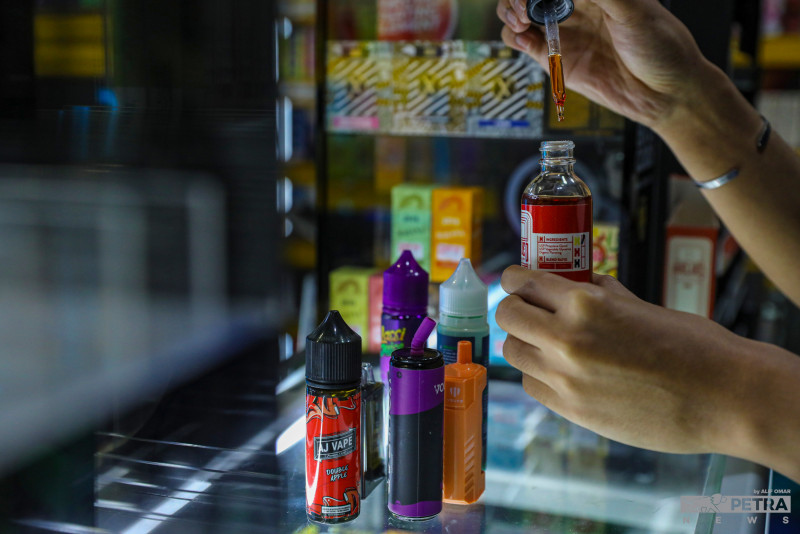
With thousands of e-liquid variants flooding the market, sold by 3,300 known retailers, it is impossible to monitor the nicotine concentration of each bottle or brand. According to the Malaysian Vape Chamber of Commerce, there are more than 97% of e-liquids with nicotine in the local market.
Studies in Europe have shown that many of the samples obtained from the market showed that many are in excess of 10% of the stipulated amount of nicotine.
Is the Health Ministry dancing to the sales pitch of addictive drug dealers? – The Vibes, April 5, 2023
The Consumers’ Association of Penang is a non-profit consumer rights group led by its president Mohideen Abdul Kader