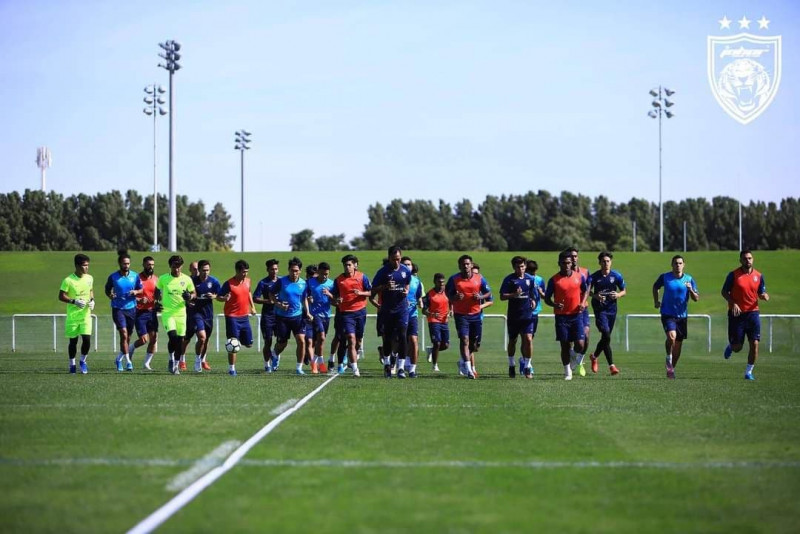

It is that time of the year in Malaysian football when transfer signings dominate headlines.
In fact, news about teams converting their Football Association status into Football Clubs (as per AFC and FAM regulations), their financial instability and non-payment of salaries will also come to bear during this period.
However, the most sought-after news in football leagues usually revolves around transfers.
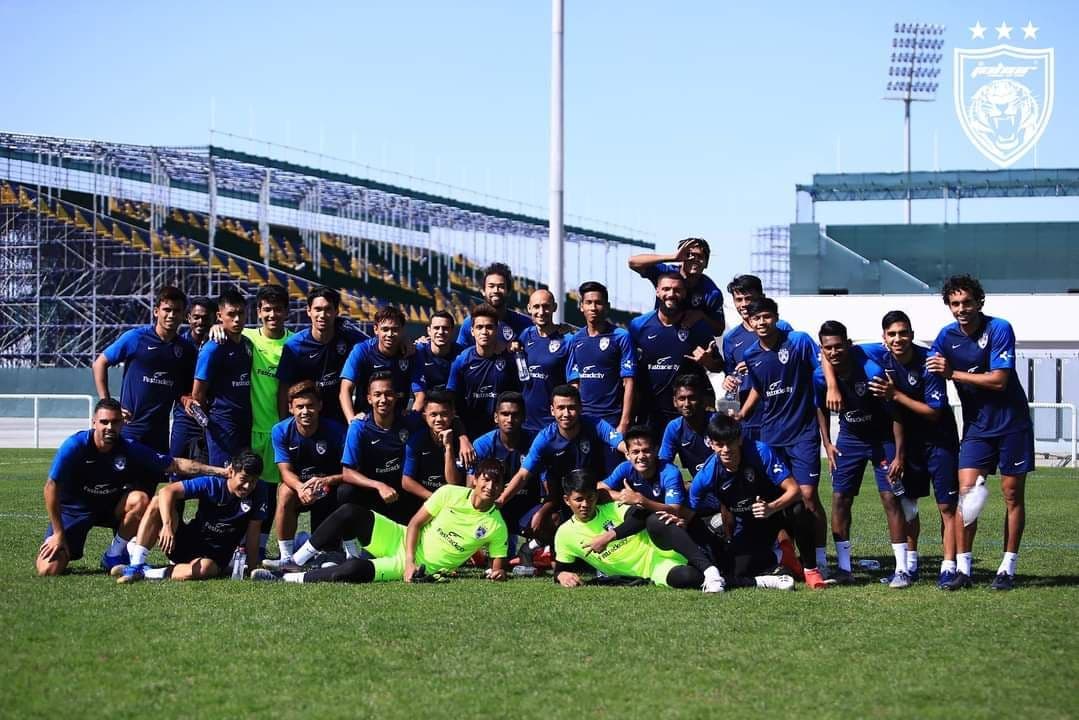
Having initially announced commercial partnerships whilst other Malaysian clubs were busy announcing new players, Johor Darul Ta'zim FC recently disclosed on Monday the impending addition of four players to their 2021 squad, leaving everyone guessing who the players were.
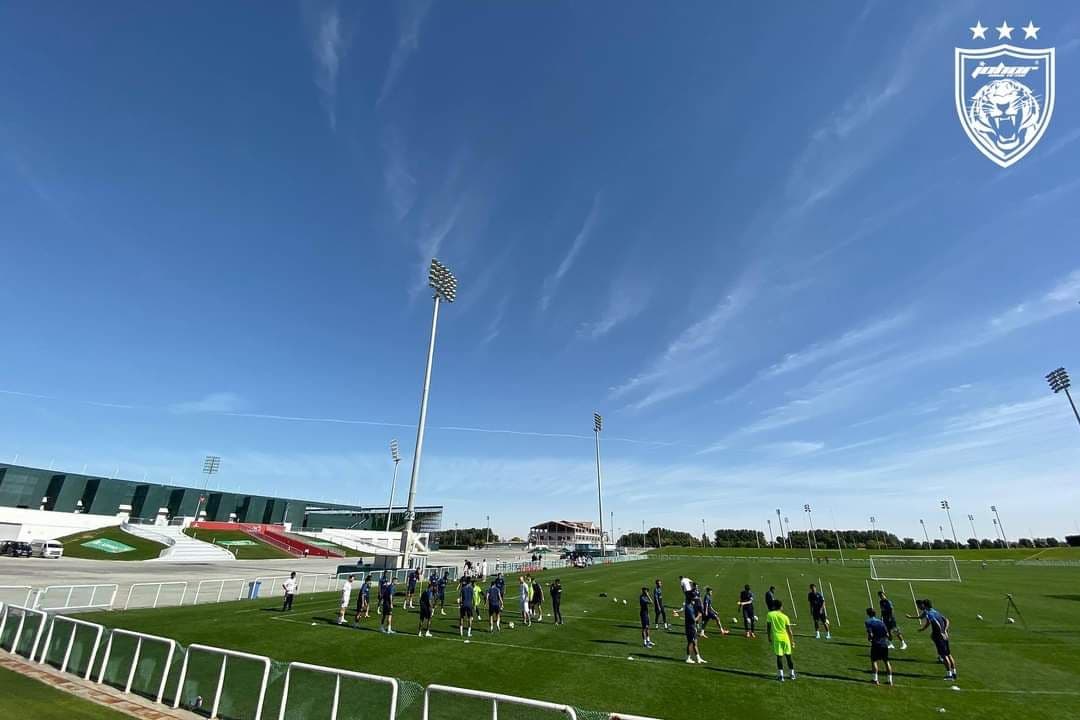
Who has JDT signed and which positions have been strengthened?
There are no prizes for guessing that the new signings, amongst others, would include a replacement for Brazilian Diogo Luis Santo, who has returned to the Thai League, and the capture of Daniel Amier Norhisham.
Meanwhile, the other two signings remain a mystery.
In light of this news, questions have been posed, for instance, ‘would players get sufficient playing time’ or even ‘why does JDT need a bigger squad with such depth’?
If you are wondering why players opt for JDT ─ instead of a 'guaranteed' starter position elsewhere ─ and believe that money is the motivating factor, do read, Ideal JDT environment weeds out the 'excuses'.
When it comes to posing the toughest challenges and the best opportunities for Malaysian players, JDT represents the benchmark, largely due to the level of competition for a starting position, exposure in the AFC Champions League and for having the best facilities in the region.
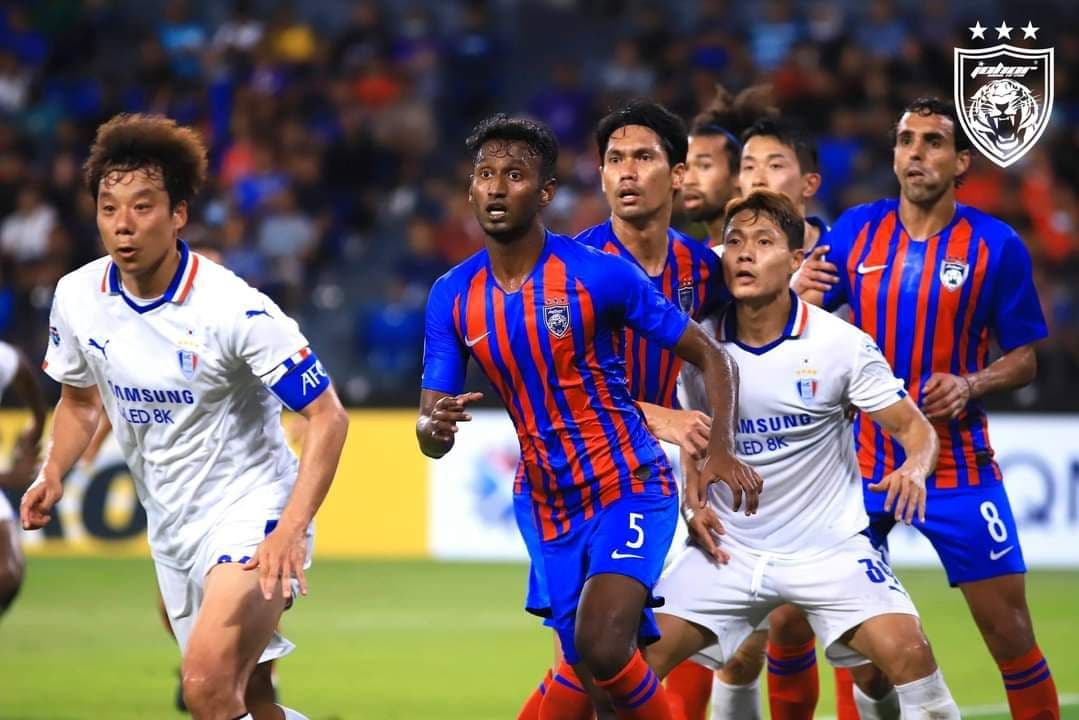
As for the club itself, there are plenty of reasons why JDT should sign on as many top players as possible.
Despite the naive school of thought that believes that other teams will be weakened by such signings, JDT does need a large squad to pose a challenge on all fronts, especially for the prestigious Champions League, which involves 32 of the best clubs in Asia.
Or should they just keep their numbers as is, sacrifice the league and focus their sights on the continental stage?
But the league championship does ensure them another season of top Asian football the following year.
Barring this year's Covid-19 interruption, JDT plays a minimum of 35 football matches a year, and potentially, another 12 matches ─ depending on how far the club progresses ─ in the FA Cup and Malaysia Cup respectively. This figure goes up if JDT qualifies beyond the Champions League group stages.
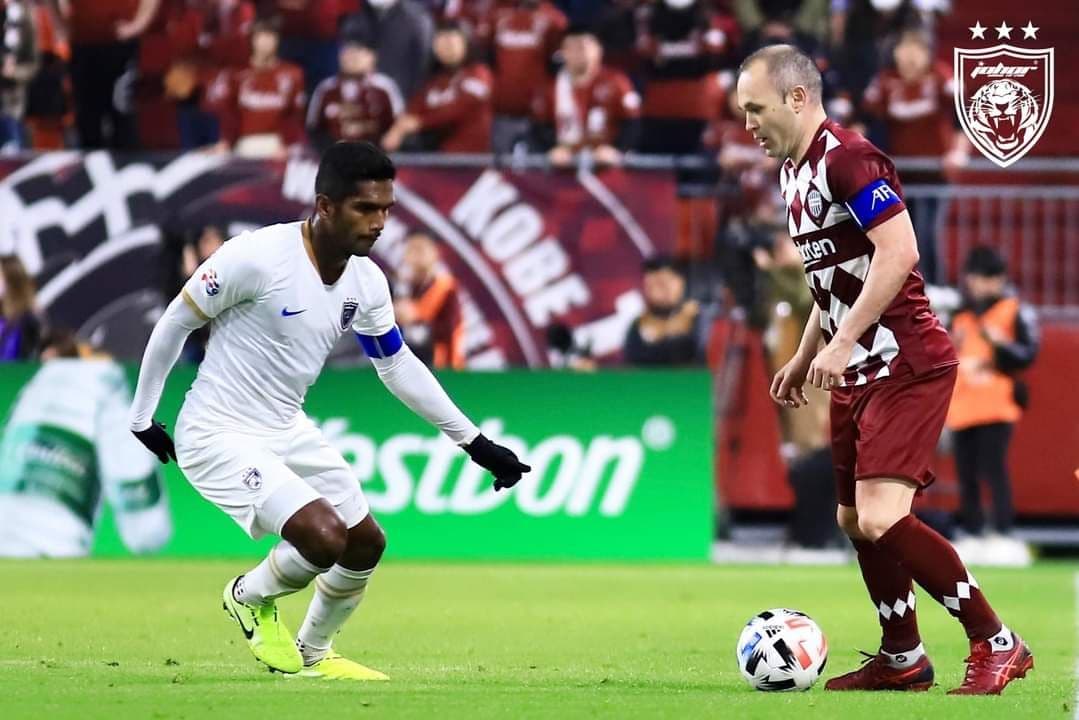
Moreover, having a pool of good players will also mean daily training sessions of a higher quality and with added intensity compared to their counterparts, some of whom are not even used to high-intensity matchdays.
Increased competition for starting positions is advantageous for both parties with players constantly being kept on their toes in order to maintain optimum performance levels.
If match practice was still a concern, JDT players, who are not regularly featured in the senior team, do get playing time with JDT II in the Malaysia Premier League.
It's a similar scenario in Europe where players gain match fitness with the reserves, while teams such as Barcelona, Real Madrid and other top division sides in Spain have development squads in the Segunda Division.
Former journalist Vijhay is Head of Content at Johor Darul Ta'zim FC following stints with Malay Mail, Sports247.my, FourFourTwo Malaysia and FOX Malaysia. You may have also heard him on BFM Football or watched him on Media Prima's football programmes. Vijhay can be reached at @vijhayvick on Twitter.