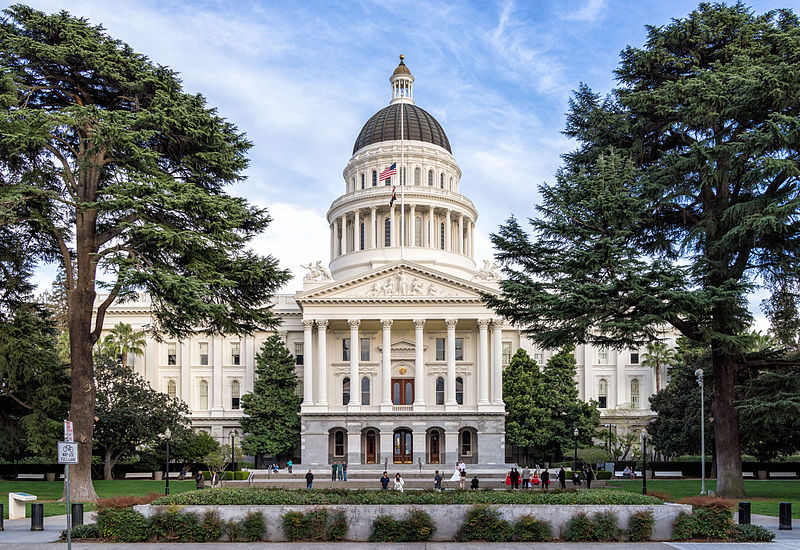
U.S. lawmakers signalled renewed action on Tuesday to constrain President Donald Trump’s military operations in Venezuela, announcing plans to file resolutions that would compel Congress to vote on any potential strikes against the South American nation.
The move underscores mounting concern over what legislators describe as unauthorized and constitutionally questionable military activity.
“Unauthorised military action against Venezuela would be a colossal and costly mistake that needlessly risks the lives of our servicemembers,” Reuters reported Senators Tim Kaine of Virginia, Chuck Schumer of New York and Adam Schiff of California, alongside Republican Senator Rand Paul of Kentucky saying.
In a joint statement, they pledged: “Should a strike occur, we will call up a War Powers Resolution to force a debate and vote in Congress that would block the use of U.S. forces in hostilities against or within Venezuela.”
Simultaneously, three members of the House of Representatives — Democrats Jim McGovern of Massachusetts, Joaquin Castro of Texas, and Republican Thomas Massie of Kentucky — filed a separate resolution aimed at preventing any military action in or against Venezuela without congressional approval.
The controversy comes amid a surge of U.S. strikes targeting alleged drug trafficking operations in the Caribbean and Pacific, with at least 21 boat strikes since early September resulting in the deaths of no fewer than 83 people.
The Trump administration maintains that Venezuelan President Nicolas Maduro is complicit in the supply of illegal drugs responsible for American fatalities, an allegation Maduro has consistently denied.
Concerns over constitutional authority have long been a flashpoint in Washington. Both Democratic and Republican lawmakers argue that presidents have historically attempted to circumvent the requirement that Congress authorizes sustained military campaigns. In the case of Venezuela, critics say Trump has conducted operations over a three-month period without congressional consent.
The controversy intensified after a Washington Post report revealed that Secretary of Defense Pete Hegseth ordered a second strike on a boat to target survivors of an initial strike on September 2, raising potential violations of international law.
Republican Senator Mike Rounds of South Dakota, a member of the Armed Services and Intelligence committees, said: “But my understanding is that we may have a problem if you’re killing survivors in the water after a strike. Once we get the facts, then we can start making determinations that need to be made.”
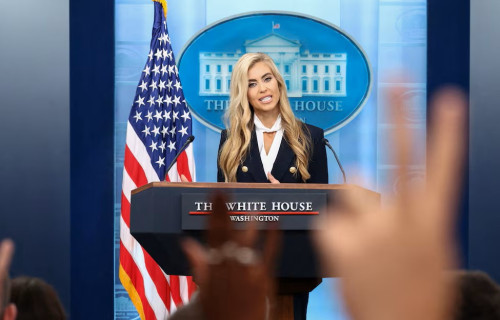
White House spokeswoman Karoline Leavitt defended the strikes, stating they occurred in international waters, aimed to protect U.S. interests, and adhered to the law of armed conflict.
Hegseth himself told reporters that Admiral Frank Bradley, who conducted the second strike, had “complete authority” to act and “made the correct decision to sink the boat and eliminated the threat.”
Attempts to rein in Trump’s Venezuela campaign have repeatedly stalled in the Senate. In November, Senate Republicans blocked a resolution that would have required congressional authorization for attacks on Venezuelan territory, and in October they similarly rejected a measure seeking to halt the boat strikes.
As lawmakers prepare new resolutions, the debate raises urgent questions about executive power, congressional oversight, and compliance with international law, reflecting a growing bipartisan unease over the Trump administration’s military strategy in Venezuela. - December 3, 2025