THE Philippines is now grappling with the fastest-growing HIV epidemic in the Asia-Pacific region, with the number of new infections surging sharply and raising urgent calls for stronger national interventions, Xinhua reports.
According to the World Health Organization (WHO), the Philippines, alongside Fiji and Papua New Guinea, is experiencing the most pronounced rise in HIV cases in the region.
While Fiji has seen a tenfold increase over the past decade largely due to injecting drug use, Papua New Guinea declared HIV a national crisis in June amid growing infections among women of reproductive age and children.
In the Philippines, new HIV infections have increased sixfold from 2010 to 2024, with WHO estimating a 550 per cent jump from 4,400 cases in 2010 to 29,600 last year. Young men who have sex with men remain the most affected demographic.
Bernama reported on Sunday that the Philippine Department of Health cited that, as of September, 149,375 individuals have been registered as living with HIV, including 5,583 new cases detected between July and September. Of these, 895 were at an advanced stage of infection.
Men accounted for 95 per cent of new infections, and one-third of cases involved individuals aged 15 to 24. The 2025 data spans patients aged one to 73, with a median age of 27. Those aged 15 to 34 contribute more than 70 per cent of new cases, signalling a shift towards younger age groups. Authorities estimate that 252,800 Filipinos will be living with HIV in 2025.
Monthly case detection continues to rise, climbing from an average of 1,435 cases in 2023 to 1,459 in 2024, and further to 1,731 in the third quarter of 2025, representing a 17 per cent increase from the same period last year.
Metro Manila and surrounding regions, including Calabarzon, Central Luzon, Central Visayas, and Davao, accounted for 61 per cent of new cases between July and September.
Since the first HIV case in 1984, men have represented 94 per cent of all reported infections. Sexual transmission remains the dominant mode, accounting for 96 per cent of cases, with male-to-male sexual contact continuing to be the primary driver through the third quarter of 2025.
Despite a decline in the proportion of patients presenting with advanced HIV since 2021, overall mortality has continued to rise. Between July and September 2025, 125 deaths were reported, mainly among those aged 25 to 34.
The Philippines has consistently recorded over 500 HIV-related deaths annually since 2016, with a cumulative total of 9,903 deaths since 1984.
Migrants account for seven per cent of all diagnosed cases, predominantly through sexual transmission. Cases linked to transactional sex, recorded since 2012, total 17,577, largely involving men.
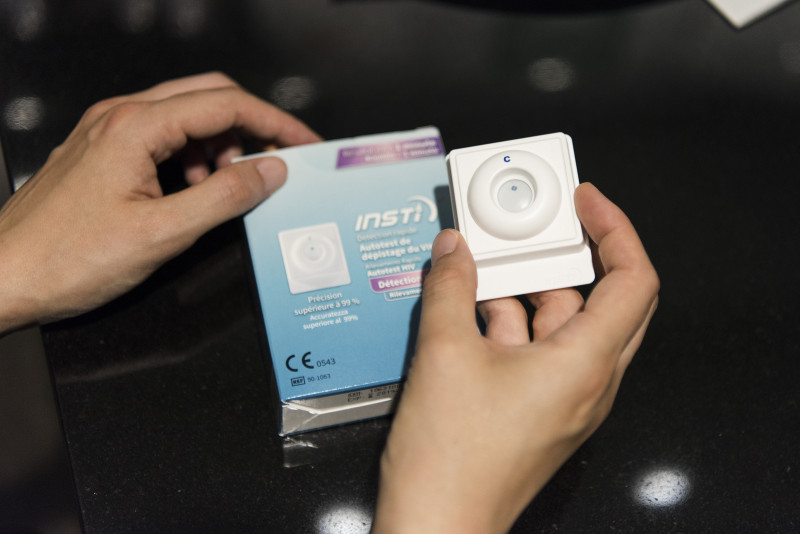
Public health experts are urging expanded testing, youth-focused education, stronger community interventions, and greater support for treatment adherence and prevention programmes.
Authorities warn that without a decisive, integrated response, the Philippines risks losing control of its HIV epidemic, threatening the health and future of an entire generation. - December 7, 2025