RUSSIA is emerging as a strategic beneficiary of the escalating conflict involving the United States, Israel and Iran, as disruptions to global energy supply chains push oil prices higher and divert international attention away from the war in Ukraine.
Reuters reported on Monday European Council President Antonio Costa openly describing Moscow as the only party profiting from the conflict, noting that the Kremlin is positioned to capitalise on the upheaval in global energy markets.
Analysts cited in earlier reports by Al Jazeera warned that rising tensions around the Strait of Hormuz could not only destabilise the region but also shift global focus away from the Ukraine war, which has now entered its fourth year.
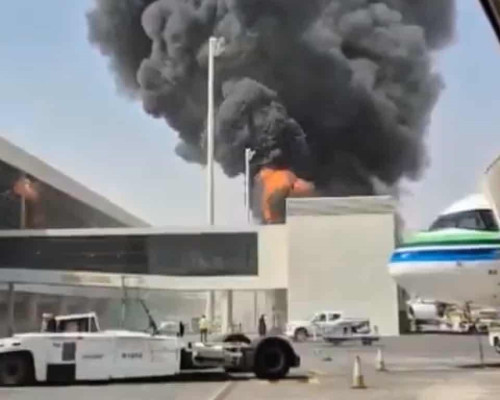
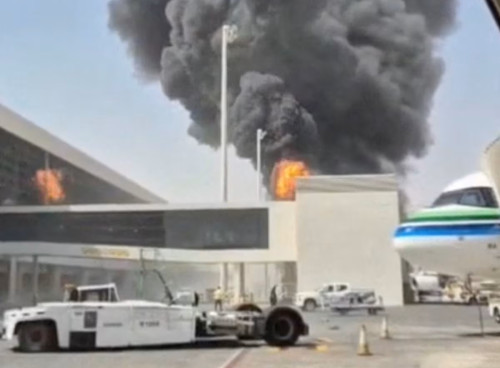
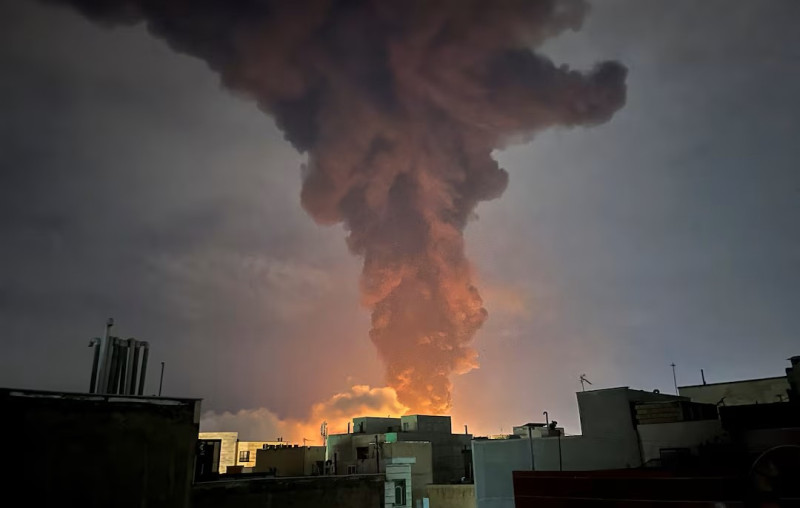
Now in its third week, the conflict has intensified following Iranian retaliatory strikes against US and Israeli targets, including facilities in the Gulf. The attacks have nearly halted the flow of oil and natural gas through the strategic Strait of Hormuz.
The resulting disruption has sent fuel prices soaring, placing heavy pressure on industries worldwide that depend on Middle Eastern energy supplies.
For Russia, the surge in oil prices represents a significant economic windfall. As the world’s second-largest oil exporter, every increase in the price of a barrel translates into billions of additional dollars flowing into Kremlin coffers, helping to finance both military operations and domestic spending.
Behind the scenes, Russian diplomats are also presenting themselves as calm intermediaries. A Kremlin spokesperson said all parties remain interested in continuing US-sponsored peace negotiations between Russia and Ukraine.
However, an in-depth analysis by Al Jazeera suggests Moscow’s willingness to negotiate could merely be a delaying tactic, as Washington’s strategic attention is now divided between Kyiv and Tehran.
So far, no date or venue has been agreed for the next round of talks, underscoring the wide gap between Russia’s demands regarding the Donetsk region and Ukraine’s insistence on preserving its sovereignty.
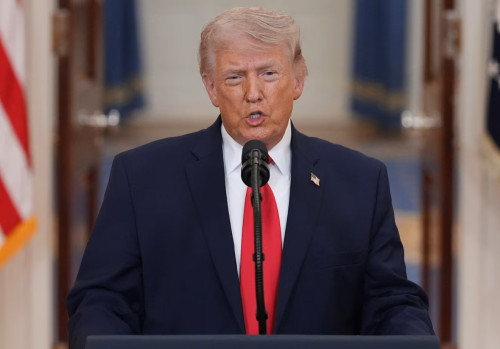
US President Donald Trump and Russian President Vladimir Putin recently held their first official communication of the year. The telephone conversation focused on managing the crisis in Iran and the future of the conflict in Ukraine.
Although the Kremlin denied that detailed discussions were held regarding the removal of sanctions on Russian oil, recent moves by Washington suggest the United States is under increasing pressure to stabilise global energy markets.
Putin signalled confidence during the discussion, saying Russia would be prepared to resume cooperation with European customers should they wish to restore long-term energy ties that existed before the Ukraine crisis.
Statistics show that before 2022, Europe sourced more than 40 per cent of its natural gas from Russia. By 2025, however, that figure had fallen sharply to around 13 per cent following economic sanctions and a shift towards liquefied natural gas supplies.
Trump, seeking to curb domestic inflation, has hinted at the possibility of easing some sanctions on oil-producing nations in order to lower global energy prices, though he declined to specify which countries might benefit.
At present, the United States maintains strict sanctions on the oil sectors of Russia, Iran and Venezuela. However, the evolving dynamics of the Iran conflict are forcing Washington to reassess its list of adversaries.
International news agencies, citing sources quoted by Al Jazeera, reported that the Trump administration is considering a partial easing of sanctions on Russia as part of a dual strategy.
Such a move would aim not only to reduce global oil prices but also to draw Moscow away from a closer military alignment with Tehran.
In an early sign of this possible policy shift, US Treasury Secretary Scott Bessent announced a 30-day sanctions waiver allowing the sale of Russian oil to India to help the country manage supply disruptions from West Asia.
The decision has provided both a moral and economic boost to Putin, as Western sanctions appear to be weakening under mounting global energy pressures.
As long as the conflict involving Iran continues, analysts say Russia is likely to remain in a favourable position, benefiting from elevated oil prices while the United States divides its strategic focus between Ukraine and the expanding crisis in the Middle East.
Separate reports indicate that at least 2,000 people have been killed across West Asia since the United States and Israel launched attacks on Iran on 28 February. The conflict has drawn in several other countries in the region, including Gulf states hosting US military bases as well as Lebanon.
The reported death toll, compiled from various authorities and international agencies, has not been independently verified by Reuters.
Iran has reported the highest number of casualties, with state media saying on Monday that at least 1,270 people have been killed.
However, Iran’s ambassador to the United Nations earlier said on 6 March that the death toll had reached at least 1,332 since the war began, without explaining the discrepancy.
It remains unclear whether the figure includes at least 104 people whom the Iranian military said were killed during a US strike on an Iranian warship off the coast of Sri Lanka on 4 March.
Lebanese authorities said at least 850 people have died in Israeli strikes in the country, while the World Health Organization reported that at least 98 of the victims were children.
In Iraq, health authorities reported at least 30 deaths, most of them members of the Shiite Popular Mobilisation Forces. A foreign crew member was also killed in an attack on a tanker near an Iraqi port.
Israel reported 12 deaths, including nine people killed in an Iranian missile strike in Beit Shemesh near Jerusalem on 1 March, according to the country’s ambulance service. The Israeli military also said two soldiers were killed in southern Lebanon.
The United States has reported 13 military fatalities. Six personnel died when a US military refuelling aircraft crashed in Iraq, while seven others were killed during operations against Iran.
The United Arab Emirates reported six deaths following Iranian attacks, according to its defence ministry.
Kuwait recorded six deaths, including two people killed in Iranian strikes, two interior ministry officers and two soldiers.
In Syria, four people were killed when an Iranian missile struck a building in the southern city of Sweida on 28 February, according to the state-run Syrian Arab News Agency.
Oman reported two deaths in a drone attack in an industrial zone in Sohar, the first fatalities recorded in the country during the conflict. Another person had earlier died when a projectile struck a tanker off the coast of Muscat.
Saudi Arabia reported two deaths after a projectile landed in a residential area in Al-Kharj near Riyadh.
In Bahrain, two people were killed in separate Iranian attacks, including a strike on a residential building in the capital, Manama.
France reported that one of its soldiers was killed and six others injured in a drone strike in northern Iraq during a counter-terrorism training mission. - March 16, 2026