GLOBAL oil prices rose sharply on Monday after diplomatic efforts between the United States and Iran broke down, reigniting fears of prolonged instability in the Gulf and renewed disruption to international energy supplies.
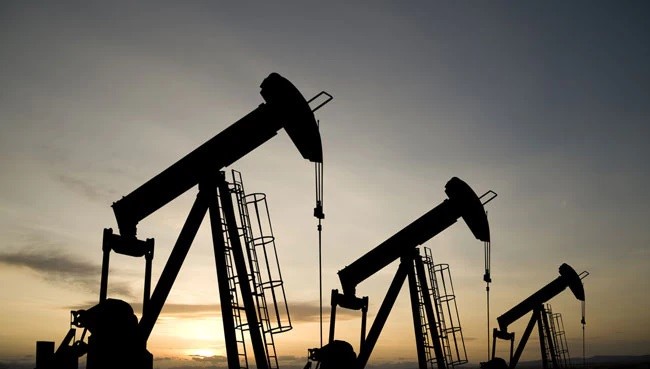
Reuters reported on Monday that Brent crude futures climbed by US$3.21, or 3.17 per cent, to reach US$104.50 a barrel by 2203 GMT, while US West Texas Intermediate crude rose US$3.06, or 3.21 per cent, to US$98.48 a barrel.
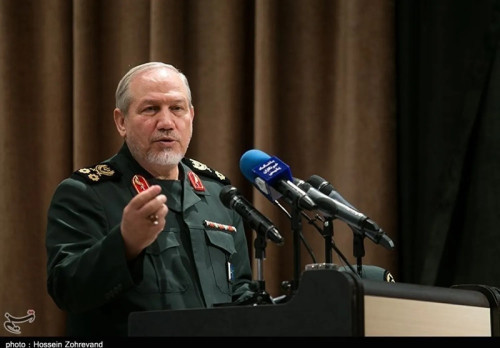
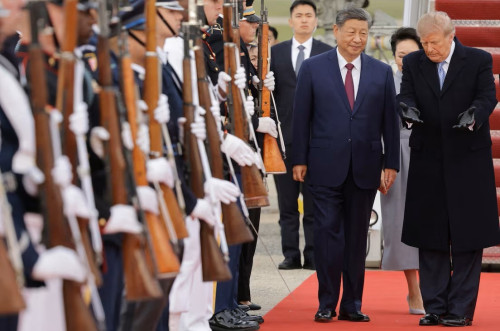
The market rally followed the collapse of negotiations over a US-drafted peace proposal aimed at easing the regional conflict and restoring stability to shipping routes through the Strait of Hormuz.
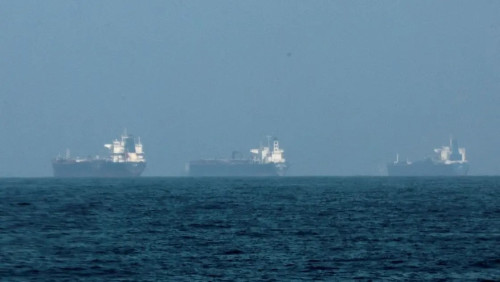
Investors reacted nervously as hopes of a diplomatic breakthrough faded and the strategic waterway remained largely inaccessible to normal commercial traffic.
The Strait of Hormuz, which carries roughly one-fifth of the world’s seaborne oil exports, has become the central pressure point in the conflict, with ongoing restrictions on shipping continuing to tighten global supply.
Energy analysts warned that the market was approaching what some described as a “cliff’s edge”, with commercial inventories and emergency reserves being drawn down at an increasingly rapid pace amid fears of a prolonged disruption.
The latest price spike reversed earlier declines that had been driven by speculation surrounding a possible partial ceasefire and the gradual reopening of Gulf shipping lanes.
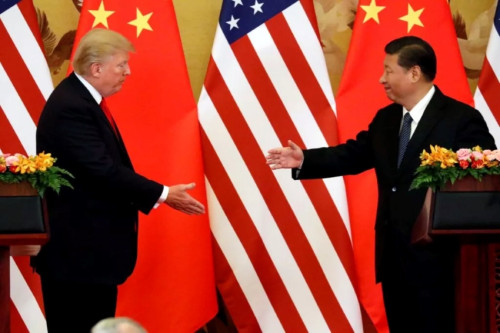
However, the renewed diplomatic deadlock between Washington and Tehran has once again exposed the extreme volatility of global oil markets, where prices continue to move sharply in response to military and political developments across the region.
The failure of the latest talks has intensified concerns among traders and governments alike that any further escalation around the Strait of Hormuz could trigger a broader global energy crisis, with direct consequences for inflation, transport costs and economic growth worldwide. - May 11, 2026