VAST stretches of Venezuela’s northern coastline remain devastated after twin earthquakes struck last week, with many communities still awaiting meaningful government assistance as residents continue desperate search-and-rescue efforts by hand.
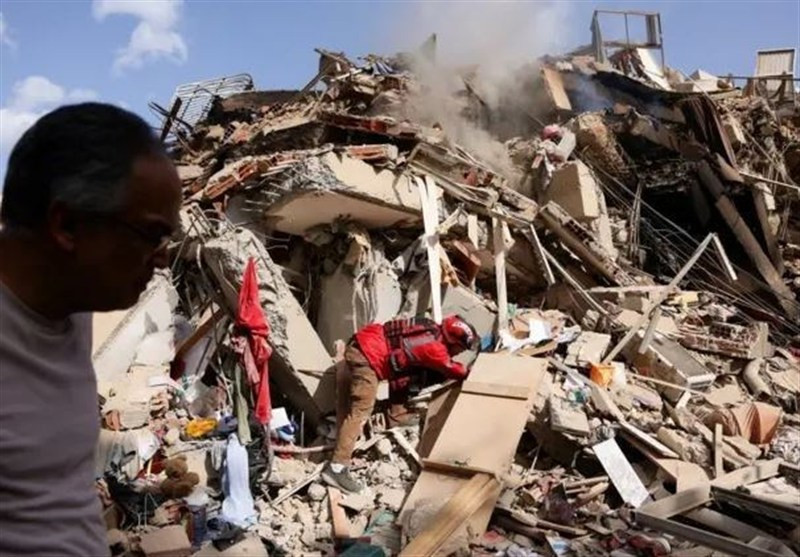
In the hard-hit port city of La Guaira, survivors and volunteers have been using crowbars, pickaxes and makeshift tools to dig through collapsed buildings in search of missing relatives and neighbours, amid growing concern that tens of thousands of people may still be unaccounted for.
The BBC reported on Tuesday that more than 1,700 people have been confirmed dead in what Interim President Delcy Rodríguez described as the “most brutal natural catastrophe” in the country’s history.
An aftershock measuring 4.6 magnitude was felt early Monday, briefly intensifying fears in already traumatised communities, although no additional damage was reported.
The twin quakes, measuring 7.2 and 7.5 magnitude and striking within 39 seconds of each other on Wednesday, triggered widespread structural collapse across the northern state of La Guaira, with nearly 800 buildings reduced to rubble.
A 21-year-old man was rescued overnight after being trapped for more than 100 hours, offering a rare moment of hope as international and local teams continue to search for survivors despite fading prospects.
However, conditions on the ground remain dire. In several affected areas, including Catia La Mar and parts of the capital Caracas, residents told reporters that much of the rescue effort has been carried out by local volunteers with limited heavy equipment and delayed official intervention.
“There are civil protection people, but they don’t have the equipment. The government doesn’t give it. They are just like us, working with their hands,” said Ruben Rojas, an electrician assisting in the search efforts.
Others described a slow and uneven deployment of earth-moving machinery, with some sites only receiving heavy equipment after critical rescue windows had already passed.
For many families, the focus has shifted from rescue to recovery. “You can’t really do much with just a pickaxe,” said La Guaira resident Carolyn Zerpa, who is searching for her father and brother. “Now it’s about finding them and giving them a proper burial.”
Zuly Marín, another resident, said the response had been hampered by economic constraints. “If they had come sooner, many people could have been saved,” she said, adding that she lost multiple family members in the disaster.
In El Junquito, west of Caracas, residents reported limited official presence, relying instead on farmers and community members to distribute food and basic supplies as they await clearer government coordination.
The government says more than 25,000 emergency personnel, including soldiers and police officers, have been deployed across affected regions. Interim President Rodríguez said on social media that “every life saved is a victory for hope”.
A commission has been established to assess damage and determine which areas are safe for return, using a colour-coded classification system, with temporary shelters being set up for displaced residents.
International rescue efforts have also intensified. A 21-year-old survivor, identified as Aaron Levi Cantillo Vargas, was pulled alive from debris in Caraballeda by joint teams from Venezuela, Mexico and El Salvador. He is receiving specialist medical care.
United Nations officials said more than 500 aftershocks have been recorded since the initial quakes, with at least 2,500 structures affected and many already fully collapsed. The UN has also begun preparing 10,000 body bags, warning that the death toll is likely to rise.
Humanitarian aid has begun to mobilise on a broader scale, with the United States pledging more than US$300 million in emergency assistance, alongside support for medical care, shelter, food and sanitation. A US naval vessel is also positioned off the coast to assist with logistics and delivery of supplies.
The Netherlands has dispatched a vessel carrying emergency aid, while China has pledged nearly US$15 million in assistance as part of the international response effort.
Despite growing global support, aid agencies warn that the scale of destruction and ongoing aftershocks will continue to challenge rescue operations in the days ahead, as hopes of finding additional survivors diminish. - June 30, 2026
.jpeg)