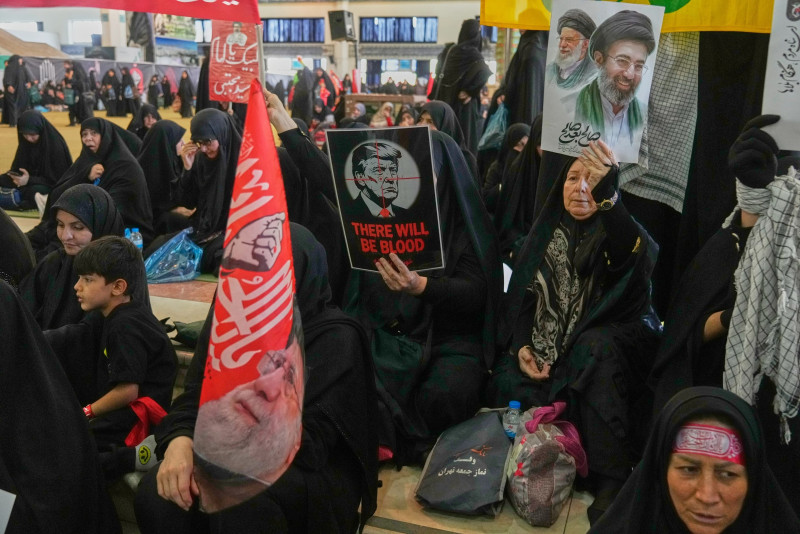
THE fragile truce between the United States and Iran has moved closer to collapse after Washington reimposed its blockade of Iranian ports and resumed military strikes, triggering retaliatory missile and drone attacks by Tehran against Gulf states hosting American forces and reviving fears of a wider regional conflict.
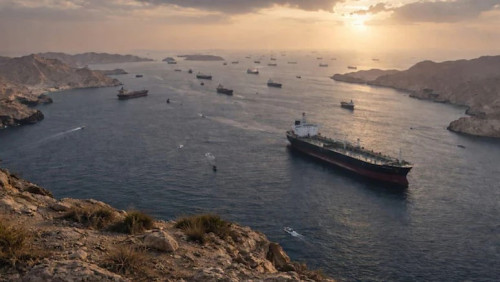
The renewed escalation has once again placed the Strait of Hormuz, through which around one-fifth of the world's traded crude oil and natural gas normally passes, at the centre of global security concerns, threatening international energy supplies and trade flows.
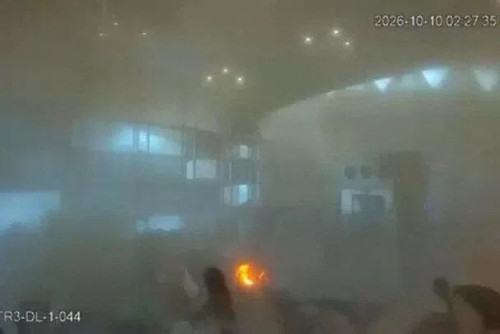
AP reported on Wednesday that Bahrain and Kuwait both came under attack early Wednesday as Iran responded to the renewed US military campaign. Bahrain activated its missile warning sirens, while Kuwait's military confirmed its air defence systems intercepted incoming missiles and drones. Both countries host US military installations and have repeatedly been targeted as tensions surrounding the strategic waterway intensified.
The United States military said it had formally reinstated its blockade of Iranian ports after accusing Tehran of continuing attacks on commercial shipping in the Strait of Hormuz. The blockade had initially been imposed in mid-April before being lifted in mid-June following an interim peace agreement intended to pave the way for negotiations on Iran's nuclear programme and a permanent ceasefire.
However, those negotiations have stalled as hostilities resumed across the Gulf.
US President Donald Trump, who announced the renewed blockade earlier this week, also abandoned plans to impose a 20 per cent transit fee on vessels using the Strait of Hormuz after discussions with Gulf allies.
"They said we'd love to do it a different way. We'd love to invest in the United States with billions and billions of dollars," Trump told reporters in the Oval Office.
Trump said he preferred that arrangement to charging tolls "because I don't think anybody should be able to charge a fee for the strait."
In a later television interview, Trump warned that further military action against Iran remained imminent.
He said additional US strikes would continue over the coming days and warned that bridges and power plants could become targets unless Tehran returned to negotiations.
"You better make a deal, or you're not going to have anything left," Trump warned.
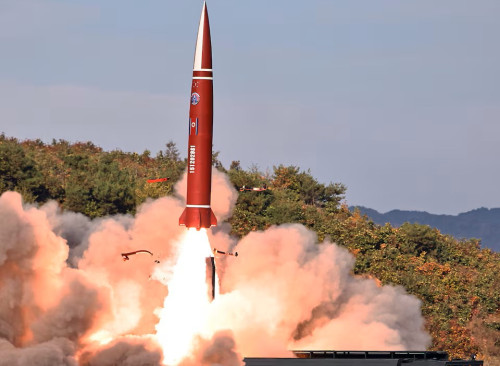
The US Central Command said its latest operations targeted Iranian coastal defence systems, missile and drone sites, and maritime assets designed to threaten commercial navigation through the Strait of Hormuz.
"These strikes will continue imposing a heavy cost on Iranian forces and degrade their ability to attack innocent civilians and commercial shipping in the Strait of Hormuz," the US military said.
US Central Command commander Admiral Brad Cooper also accused Iran of expanding its attacks beyond commercial shipping.
"U.S. forces are holding Iran accountable for unwarranted aggression that continues to endanger innocent lives," Cooper said.
Iran acknowledged that US strikes had occurred but did not immediately disclose casualty figures or damage assessments.
Iranian Deputy Foreign Minister for Legal and International Affairs Kazem Gharibabadi accused Washington of attempting to prevent Tehran from exercising what he described as its "effective sovereignty" over the Strait of Hormuz.
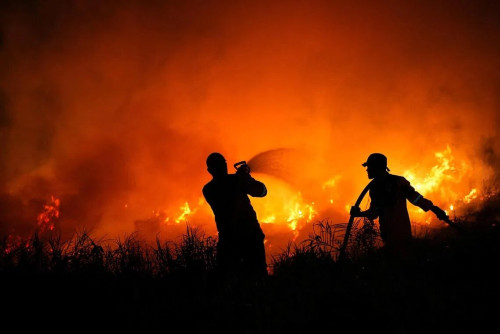
Iranian state media later reported exchanges of fire within the strategic waterway, while separate explosions were reported in Bushehr, Ahvaz and Bandar Abbas following additional attacks.
According to the US military, nearly a dozen civilians have been killed, injured or remain missing after Iranian attacks on seven commercial vessels during the past week.
Regional governments also voiced growing concern over the deteriorating security environment. Qatar condemned what it described as repeated Iranian attacks against Jordan, Bahrain and Kuwait, calling them an "egregious violation" of the three countries' sovereignty and the international rules-based order.
Despite the escalation, diplomatic efforts continue behind the scenes. Regional mediators are attempting to restore the ceasefire and bring both Washington and Tehran back to the negotiating table before the conflict develops into a broader regional war. - July 15, 2026