DEEP cuts to United States foreign aid have left hundreds of thousands of humanitarian workers worldwide unemployed, with the consequences proving particularly severe in Nepal, where many transgender and LGBTQ+ HIV outreach workers have been forced into sex work to survive after losing their livelihoods.
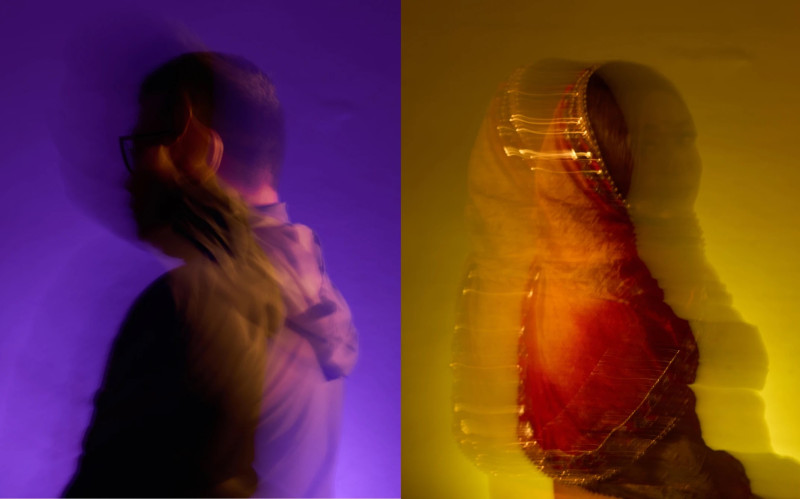
Among them is 28-year-old Rubi Lama, a transgender woman who spent nine years working as an HIV outreach worker supporting sex workers and other vulnerable communities in central Nepal before the closure of USAID-funded programmes, AP cited on Thursday.
Today, Lama stands along a highway in Hetauda, soliciting clients in the same location where she once distributed HIV prevention services.
She said every client presents the risk of violence, disease or death, but the income is now her only means of survival.
The crisis followed the dismantling of the United States Agency for International Development (USAID) after President Donald Trump froze funding in early 2025, later dissolving the agency as part of a broader overhaul of foreign assistance.
According to global health consultant Sadie Healy, more than 281,000 aid workers worldwide lost their jobs as a result, with only about 23,000 of those positions based in the United States. The overwhelming majority were local employees working in developing countries.
In Nepal alone, the NGO Federation of Nepal estimates that approximately 35,000 aid workers became unemployed following the funding cuts.
The impact has fallen especially hard on transgender people, who face widespread discrimination and limited employment opportunities outside the non-governmental sector.
The Blue Diamond Society, Nepal's leading LGBTQ+ advocacy organisation, said USAID previously provided around 85 per cent of its funding.
The organisation operated 20 clinics nationwide offering HIV testing, counselling, antiretroviral treatment, pre-exposure prophylaxis (PrEP), condoms and lubricants to reduce HIV transmission.
Following the funding withdrawal, 262 of its 350 employees lost their jobs, while more than 1,200 clients were left without access to PrEP medication.
Executive director Manisha Dhakal said between 35 and 45 per cent of the organisation's former staff members had turned to sex work because they had been unable to secure alternative employment.
"One decision from one powerful country — all these services are cut," she said.
"The Trump administration's executive order will cause people to die."
Public health experts have warned that the simultaneous collapse of HIV prevention services and the increase in people entering sex work could significantly accelerate HIV transmission.
Nepal's National Centre for AIDS and STD Control director Dr Sarbesh Sharma said the implications extended well beyond Nepal's borders.
"Borders are for humans," he said.
"We have a lot of migrant workers, we have a lot of overseas students, we have an open border with India. So those make it not only a Nepal concern, it can become a global concern."
United Nations HIV data released in June showed HIV testing had fallen by 22 per cent in countries with high infection rates following the reduction in global aid, while funding for condom supplies had declined by more than 90 per cent in some regions.
Many former aid workers interviewed said they had spent months searching unsuccessfully for employment before turning to sex work.
Several reported experiencing physical assaults, sexual violence and pressure from clients to engage in unprotected sex.
Some also said they had stopped taking antiretroviral medication because of fears of discrimination or the loss of access to treatment.
The United States State Department defended the administration's aid reforms, saying assistance programmes had been refocused on efficiency, effectiveness and partnerships.
It also said the United States continued to spend more on global health and humanitarian assistance than any other country.
"The rest of the world needs to contribute more and share the burden," the department said.
For Lama, however, the consequences are deeply personal.
She now earns about US$3 per client while trying to cover monthly living costs of roughly US$80.
She said she would rather return to the HIV outreach work she once carried out than continue risking her health and safety on the streets.
"I used to help people," she said.
"Now I am the one who needs help." - July 23, 2026





.jpg)