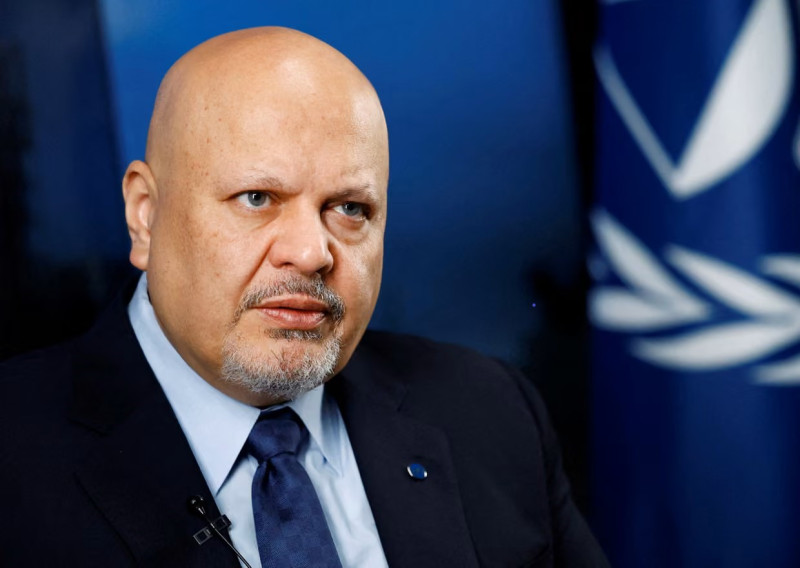
THE removal of Karim Khan as International Criminal Court (ICC) prosecutor has ended his tenure at the helm of the world’s permanent war crimes tribunal, but the former prosecutor is now preparing for a new battle — one to challenge the decision that forced him out.
Khan’s dismissal by ICC member states has shifted the focus from his role overseeing international investigations to the legal and political consequences of his removal, including whether he can overturn the decision and whether sanctions imposed on him by the United States could eventually be lifted.
In a secret ballot at the United Nations headquarters in New York on Friday, 82 of the ICC’s 125 member states voted to remove Khan over misconduct allegations.
The decision took immediate effect under ICC rules, making Khan the first sitting ICC prosecutor in the court’s 24-year history to be removed from office.
Khan has denied wrongdoing, while his legal team, former judges and Palestinian rights groups have criticised the disciplinary process, arguing that it was politically influenced.
Foreign news agencies cited that his removal also means he is no longer part of the ICC and has been taken off all cases handled by the prosecutor’s office, including the closely watched Palestine investigation.
What Legal Options Does Khan Have?
Khan’s next move is expected to be a legal challenge against his dismissal.
His lawyers have indicated that he will pursue available legal avenues, including a possible appeal to the International Labour Organization Administrative Tribunal (ILOAT), which handles employment disputes involving international organisations.
The former prosecutor is expected to argue that the dismissal process was flawed, particularly after an independent panel of judicial experts appointed by the ICC’s governing body concluded that investigators’ findings did not establish misconduct or a breach of duty under the applicable framework.
However, the outcome of any challenge remains uncertain.
Legal experts have questioned whether ILOAT has the authority to review a political decision taken by the Assembly of States Parties, the ICC body responsible for electing and removing prosecutors.
Even if Khan succeeds, returning to office could prove difficult if the ICC has already appointed a successor by the time a ruling is issued.
With international tribunal cases often taking years to conclude, Khan’s legal battle could continue long after the ICC begins operating under new leadership.
Could Khan’s Us Sanctions Be Lifted?
Khan’s removal has also raised questions over whether he could eventually be removed from the US sanctions list.
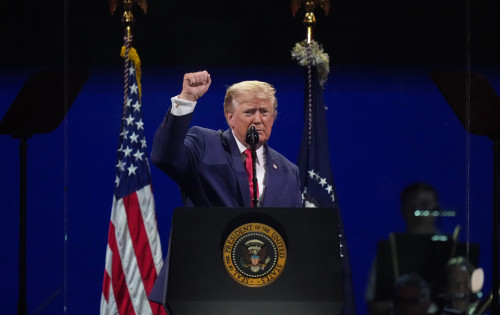
He was the first individual targeted under an executive order signed by US President Donald Trump in February 2025 after the ICC issued arrest warrants for Israeli Prime Minister Benjamin Netanyahu and former defence minister Yoav Gallant.
The sanctions froze Khan’s assets, revoked his US visa and restricted his family’s entry into the United States.
However, leaving office does not automatically cancel those measures.
The US administration has not indicated whether it intends to lift the sanctions against Khan.
A previous example involved former ICC prosecutor Fatou Bensouda, who was sanctioned in 2020 over the court’s Afghanistan investigation before the measures were removed in 2021 following a change in US policy.
However, Bensouda was still serving as prosecutor when the sanctions were lifted.
What Happens to Khan’s Legacy in the Palestine Investigation?
Although Khan has left the ICC, his decisions on the Palestine investigation remain a major part of his legacy.
During his tenure, he sought arrest warrants against Netanyahu and Gallant over alleged war crimes and crimes against humanity, marking the first time ICC prosecutors had pursued warrants against senior Israeli officials.
The warrants remain valid and are not automatically affected by Khan’s removal, as only ICC judges can withdraw them.
However, Khan’s departure means he will no longer determine the direction, priorities or future applications linked to the investigation.
The prosecutor’s office had reportedly been considering further warrant applications involving Israeli Finance Minister Bezalel Smotrich and National Security Minister Itamar Ben Gvir.
Whether those cases proceed could depend on the strategy adopted by Khan’s successor.
What Does the Future Hold for Khan?
For now, Khan’s priority will be defending his record and challenging the decision that ended his tenure.
The legal proceedings could become a test of how international organisations handle disputes involving senior elected officials and may establish a precedent for future ICC leadership crises.
Meanwhile, the court has begun the process of finding a new prosecutor to lead its investigations.
Khan’s future will depend on two parallel developments: the outcome of his legal challenge and the pace at which ICC member states appoint his successor.
For the former prosecutor, the next chapter will no longer be defined by leading the ICC’s pursuit of accountability, but by his fight to challenge the decision that removed him from one of the world’s most powerful international justice institutions. - July 26, 2026