SAUDI Arabia intercepted four drones over Riyadh, the Eastern Province and the south on Saturday as escalating Houthi attacks raised security concerns, with Egypt signalling its readiness to help defend the kingdom if requested.
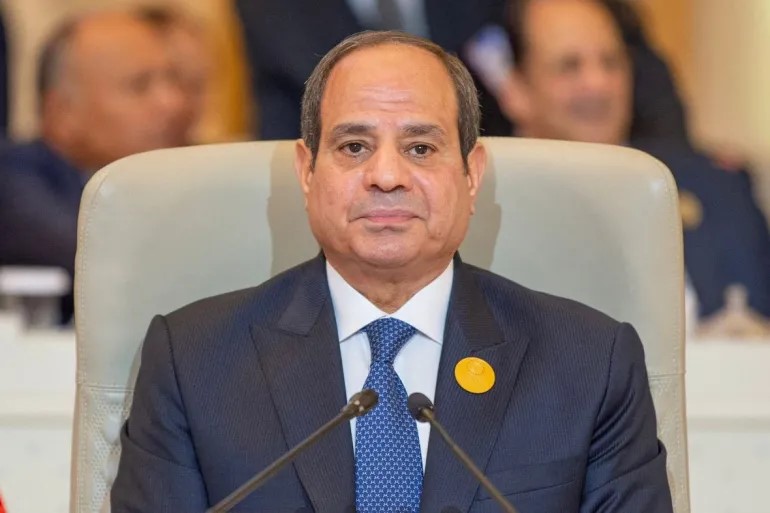
The interceptions came as Egyptian President Abdel Fattah al-Sisi said Cairo was prepared to take any measures necessary to protect Saudi Arabia, although he stressed that Egypt was not seeking to become involved in regional wars.
“It is inconceivable for us to stand by while the kingdom is harmed or its security and stability threatened,” AFP reported him saying, adding that the offer concerned defence rather than launching attacks.
The latest interceptions underscore mounting pressure on Saudi Arabia as the conflict in Yemen intensifies, with the Iran-backed Houthis targeting oil installations, tankers and transport hubs. An attack on Riyadh’s airport last week killed 13 people.
The Saudi-led coalition supporting Yemen’s internationally recognised government said the four drones had been destroyed over the past few hours on Oct 17.
Security precautions have also been tightened in the capital. Saudi Arabia’s Education Ministry announced an extension of remote learning for students in Riyadh and nearby Diriyah, while residents received a mobile phone alert early on Sunday warning of a “hostile aerial threat” and advising them to stay away from windows and doors. The alert was lifted after a few minutes.
Egypt’s potential involvement would mark a possible expansion of its role in the confrontation. Although Cairo is part of the Saudi-led coalition, its contribution has largely focused on protecting Red Sea maritime security rather than direct combat in Yemen.
Egypt’s parliament is scheduled to hold an emergency session on Sunday at Sisi’s request.
Meanwhile, Saudi Arabia has accused Iran of encouraging the Houthis’ escalation, an allegation Tehran denies.
Iranian Foreign Minister Abbas Araghchi said on Saturday that Tehran supported a comprehensive political process as the only practical and sustainable way to resolve the conflict, reiterating Iran’s offer to mediate between the parties.
However, Yemeni Foreign Minister Afrah al-Zouba rejected the proposal, saying in a statement on X that “the Tehran regime is a party to the war against Yemenis, not a mediator”.
The diplomatic exchanges came as Saudi Arabia continued air strikes against Houthi positions in Yemen. Houthi military spokesman Yahya Saree claimed Riyadh had carried out 53 strikes on Sanaa and six other provinces in the preceding 24 hours, causing numerous casualties.
A Houthi-affiliated news agency also alleged that Saudi warplanes had struck civilian homes in Dhamar and Taiz provinces, killing 12 people and injuring more than 30. It further alleged that cluster bombs had been used. These claims could not be independently verified.
The renewed fighting follows a resurgence of the Yemen conflict in July after years of relative calm, with Saudi Arabia facing sustained missile and drone attacks.
Iran has maintained that the Houthis act independently despite their place in its regional alliance, known as the “Axis of Resistance”, which opposes Israel and the United States. - October 18, 2026