KABUL – The Taliban ordered secondary girls’ schools in Afghanistan to shut today, just hours after they reopened, an official confirmed, sparking confusion over the policy reversal by the hardline Islamist group.
“Yes, it’s true,” Taliban spokesman Inamullah Samangani said when asked to confirm reports that girls had been ordered home.
An AFP team was filming at Zarghona High School in the capital, Kabul, when a teacher entered and ordered everyone to go home.
Crestfallen students, back in class for the first time since the Taliban seized power in August last year, tearfully packed up their belongings and filed out.
The international community has made the right to education for all a sticking point in negotiations over aid and recognition of the new Taliban regime.
Earlier, tens of thousands of girls were due to return to secondary school across Afghanistan, more than seven months after the Taliban seized power and imposed harsh restrictions on the rights of women to be educated.
All schools were closed because of the Covid-19 pandemic when the Taliban took over in August – but only boys and some younger girls were allowed to resume classes two months later.
The international community has made the right to education for all a sticking point in negotiations over aid and recognition, with several nations and organisations offering to pay teachers.
The education ministry said schools would reopen today across several provinces – including the capital Kabul – but those in the southern region of Kandahar, the Taliban’s spiritual heartland, will not open until next month.
No reason was given.
The ministry said reopening the schools was always a government objective, and the Taliban were not bowing to pressure.
“We are not reopening the schools to make the international community happy, nor are we doing it to gain recognition from the world,” said Aziz Ahmad Rayan, a ministry spokesman.
“We are doing it as part of our responsibility to provide education and other facilities to our students,” he said.
The Taliban had insisted they wanted to ensure schools for girls aged 12 to 19 were segregated and would operate according to Islamic principles.
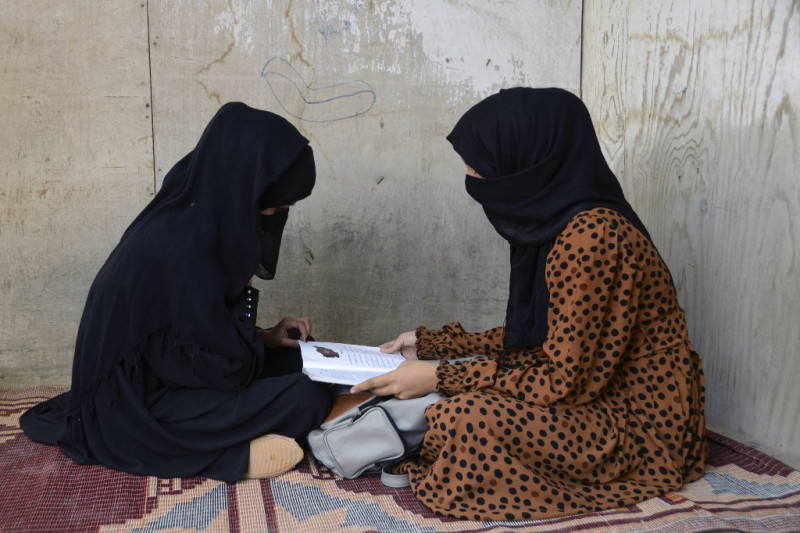
Some pupils said they couldn’t wait to get back – even if it meant covering up according to a strict Taliban dress code.
“We are behind in our studies already,” said Raihana Azizi, 17, as she prepared to attend class dressed in a black abaya, headscarf and veil over her face.
The Taliban have imposed a slew of restrictions on women, effectively banning them from many government jobs, policing what they wear and preventing them from travelling outside of their cities alone.
They have also detained several women’s rights activists.
Despite the schools reopening, barriers to girls returning to education remain, with many families suspicious of the Taliban and reluctant to allow their daughters outside.
Others see little point in girls learning at all.
“Those girls who have finished their education have ended up sitting at home and their future is uncertain,” said Heela Haya, 20, from Kandahar, who has decided to quit school.
“What will be our future?”
It is common for Afghan pupils to miss chunks of the school year as a result of poverty or conflict, and some continue lessons well into their late teens or early twenties.
Human Rights Watch also questioned the motivation for girls to study.
“Why would you and your family make huge sacrifices for you to study if you can never have the career you dreamed of?” asked Sahar Fetrat, an assistant researcher with the group.
The education ministry acknowledged authorities faced a shortage of teachers – with many among the tens of thousands of people who fled the country as the Taliban swept to power.
“We need thousands of teachers and to solve this problem, we are trying to hire new teachers on a temporary basis,” the spokesman said. – AFP, March 23, 2022