THE data centre sector could see its total investment soar nearly fourfold to RM577 billion over the next five years, provided that national water resources are managed efficiently, sustainably and in an integrated manner to meet the industry’s expanding needs.
Universiti Sains dan Teknologi Malaysia economist Professor Emeritus Dr Barjoyai Bardai said the projection is based on the sector’s strong performance to date, which has already attracted RM144.4 billion in investment between 2021 and mid-2025.
“Companies entering the country to establish data centres are initially testing the waters, so to speak, with pilot projects.
“They are likely to continue investing if the country can provide sufficient water supply and supporting infrastructure,” he told Sinar Harian. “Moreover, other investors will certainly follow suit, meaning the potential for data centre investment could increase dramatically, up to four times the current level over the next five years.”
While Malaysia has become a hotspot for multi-billion-ringgit data centre investments, the rapid growth of the digital economy has raised questions about the capacity of the nation’s water supply.
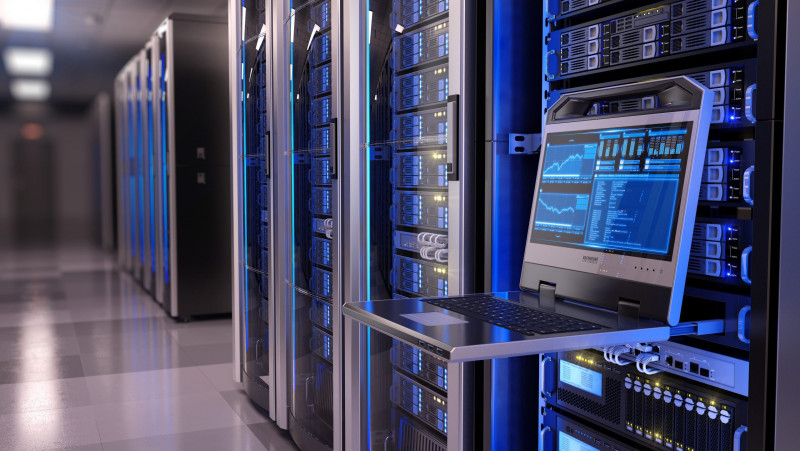
Data centres, which house thousands of servers for internet and artificial intelligence processing, require vast quantities of water to cool their continuously operating systems.
The National Water Services Commission (SPAN) estimates that the 104 data centres projected for 2025 will require 876 million litres of water daily — equivalent to the daily consumption of nearly four million people, assuming an average of 228 litres per person.
Dr Barjoyai acknowledged public concerns, particularly in Johor, about the strain on local water supply.
“I understand the community’s worry, especially in areas where data centres require massive amounts of water, potentially affecting the supply for residents,” he said.
He stressed that the government must manage water resources efficiently and sustainably, warning that the opportunity to expand digital industry investment cannot be missed in an era where data is increasingly regarded as “the new gold.”
As a tropical nation with high rainfall, Malaysia has multiple water sources, including rivers, mountain catchments, and shallow groundwater aquifers that remain underutilised.
“River water can also be used for cooling servers because data centres do not require drinking-quality water,” Dr Barjoyai explained.
“Planning for data centre locations near rivers or alternative water sources can help reduce pressure on domestic water supplies.”
He also suggested that the government review the pricing of raw water sold to Singapore, noting that low-cost exports may need to be reconsidered given the growing domestic demand from the digital sector.
Dr Barjoyai added the need to address high non-revenue water (NRW) rates in several states, which undermine the efficiency of the national water supply.
“In Perlis, NRW reaches around 61 per cent, and in Kedah about 55 per cent. This means water is treated but lost due to ageing pipelines over 50 years old, resulting in substantial losses for the nation.”
He called on the government to invest in the water industry, including replacing approximately 145,000 kilometres of old pipes nationwide, as a critical step to ensure sustainable water supply for both domestic use and industrial growth.
The warning comes as Malaysia positions itself as a regional hub for digital infrastructure, emphasising that careful resource management will be key to realising the projected surge in investment without compromising basic services for the population. - February 21, 2026




.jpeg)