


MALAYSIA is considered to be in a relatively strong position to absorb short-term inflationary shocks stemming from global price pressures, supported by existing fuel subsidies and a regulated gas pricing structure for electricity generation that helps limit pass-through effects to the Consumer Price Index.
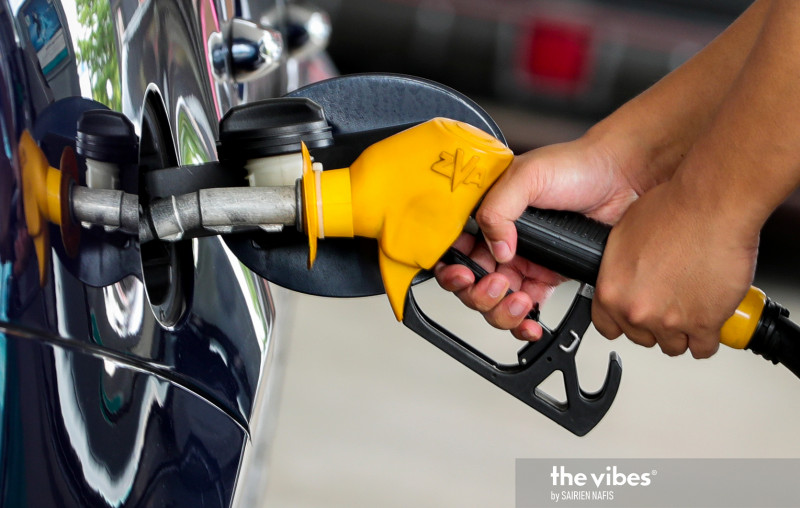
According to CIMB Investment Bank, these buffers remain effective despite a sharp rise in retail fuel prices since late February, with RON97 increasing by 44 per cent to RM4.55 per litre, unsubsidised RON95 up 26 per cent to RM3.27 per litre, and diesel in Peninsular Malaysia climbing 55 per cent to RM4.72 per litre.
The bank said such measures are likely to contain inflationary pressures from escalating sharply, reinforcing expectations that Bank Negara Malaysia will maintain the Overnight Policy Rate at 2.75 per cent in the near term.
“By March, we expect headline inflation to edge closer to 2.0 per cent year-on-year, driven by fuel inflation, while core inflation is projected to remain relatively stable.
“The breadth of inflation in February, measured by the share of CPI items recording month-on-month increases, remained steady at around 40 per cent, indicating that pre-conflict inflation dynamics were still contained and provided a relatively solid starting point in facing a more volatile global price environment,” Bernama quoted the bank saying in a research note prepared by economists Chew Khai Yen and Lim Yee Ping.
On the external front, February’s import data reflected mixed trends across components. A partial recovery in capital goods imports was noted after two consecutive months of contraction, supported by a 32.2 per cent year-on-year surge in non-transport capital goods.
However, growth in intermediate goods remained subdued, weighed down by fuel and lubricant components, while consumer goods posted modest growth of 1.5 per cent year-on-year.
“This was supported by durable goods (28.3 per cent year-on-year) and semi-durable goods (18.7 per cent year-on-year), reflecting resilient household spending ahead of the festive season,” it said.
Export growth, meanwhile, moderated to 10.8 per cent year-on-year in February from 19.6 per cent in January, with a broad-based slowdown observed across sectors.
“Electrical and electronics (E&E) manufacturing continued to register strong double-digit growth, albeit at a slower pace. At the same time, non-E&E manufacturing slipped into negative territory, while the agriculture sector remained in contraction due to weaker crude palm oil prices, which fell 14.3 per cent year-on-year.
“While part of this moderation may be attributed to seasonal effects linked to the Chinese New Year, the widespread slowdown in non-E&E manufacturing products such as petroleum (-23.5 per cent year-on-year), chemicals (-16.7 per cent) and rubber products (-24.5 per cent) suggests pressures may extend beyond seasonal factors and warrant close monitoring,” the bank said.
Beyond seasonal influences, the ongoing conflict in West Asia is introducing new risks that could further shape trade dynamics.
While higher energy prices may nominally benefit Malaysia as a net exporter of oil and gas, CIMB Investment Bank cautioned that such gains are largely offset when refined petroleum products and chemicals are taken into account.
“This indicates that sustained increases in oil and gas-related prices may act as a cost burden through higher import costs, while offering only limited upside to export revenues.
“Moreover, any increase in export values for liquefied natural gas and crude petroleum is expected to materialise with a lag due to the prevalence of long-term contracts, pointing to a possible deterioration in the trade balance in the near term,” it said. - March 23, 2026




.jpeg)







