


THE Government’s expansion of the microfinancing strategy is emerging as a central pillar of its economic stabilisation efforts, with analysts saying targeted funding support for small businesses could play a critical role in cushioning the domestic economy against mounting global uncertainty.
Economists said the MADANI government’s financing initiatives are helping sustain liquidity and domestic economic activity at a time when small and medium-sized enterprises are facing rising operational costs, tightening margins and increasingly volatile market conditions driven by geopolitical tensions and global trade uncertainty.
IPPFA Sdn Bhd investment and economic strategy analyst Mohd Sedek Jantan described microfinancing as a targeted economic stabiliser capable of preventing broader financial stress from severely disrupting business operations, particularly among SMEs with limited financial reserves.
He said many businesses are now operating under mounting pressure caused by higher global oil prices and unpredictable international economic conditions.
“When operating costs increase due to rising global oil prices and uncertainty in trade policies, many SMEs are now facing shrinking profit margins and increasingly unstable cash flow conditions,” he told Bernama.
According to Mohd Sedek, access to financing enables SMEs to preserve liquidity, continue operating and avoid severe disruptions to employment and investment activity during periods of economic stress.
He added that microfinancing also generates broader domestic economic benefits by supporting local spending cycles and sustaining business activity within communities at a time when external growth conditions remain fragile.
“Microfinancing provides businesses with faster working capital flexibility, enabling SMEs to manage supplier payments, logistics costs, inventory replenishment and salary obligations without seriously disrupting operations, while also improving business adaptability,” he said.
Bank Muamalat Malaysia Chief Economist Dr Mohd Afzanizam Abdul Rashid said financing access becomes especially important during periods of negative economic shocks, particularly when businesses are confronted with rising operating expenses and weaker external demand.
He described the government’s move to expand financing access as an appropriate policy response that could help businesses refinance existing obligations using more competitive rates offered under government-backed schemes.
“Such financing programmes will provide some breathing space for businesses as rising fuel costs could affect their profit margins,” he said.
Afzanizam said the financing support could also encourage businesses to invest in enterprise resource planning systems to better integrate finance, procurement, inventory management, human resources and operational functions.
“Additional capital from these loans also allows businesses to consider investments in digitalisation so that business operations become more efficient and cost-effective,” he added.
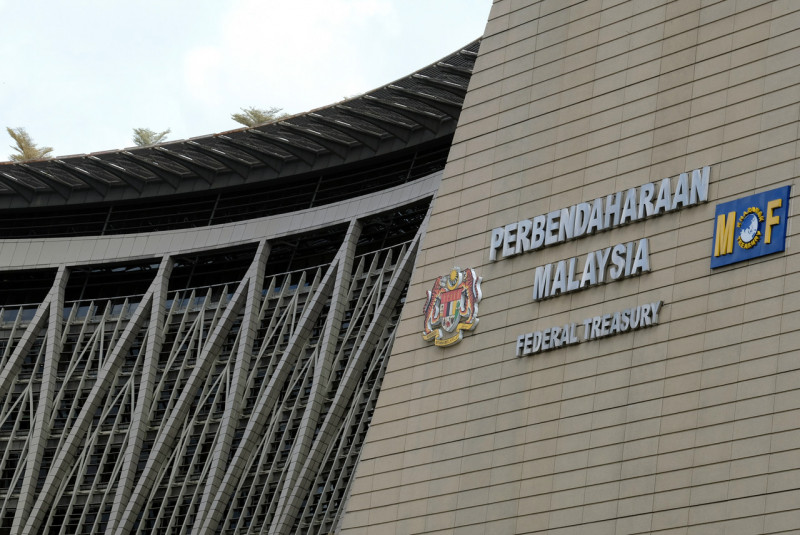
Last Thursday, the Ministry of Finance announced more than RM5 billion in microfinancing facilities for this year, with the programme expected to benefit over 400,000 micro-entrepreneurs nationwide through loans of up to RM100,000.
The financing schemes will be channelled through multiple agencies and development financial institutions, including Amanah Ikhtiar Malaysia (AIM), Bank Simpanan Nasional (BSN), TEKUN Nasional, Majlis Amanah Rakyat (MARA), Agrobank and Bank Kerjasama Rakyat Malaysia.
The latest package forms part of a broader RM15 billion financing support framework provided this year for micro, small and medium enterprises, including Bank Negara Malaysia’s RM5 billion SME Stabilisation Facility and an additional RM5 billion facility under Syarikat Jaminan Pembiayaan Perniagaan (SJPP).
Analysts said the government’s growing reliance on targeted financing support reflects increasing concern over the resilience of domestic businesses as Malaysia navigates slowing global growth, geopolitical instability and rising cost pressures across multiple sectors of the economy. - May 17, 2026




.jpeg)







