STATE-backed development financial institution Bank Pembangunan Malaysia Berhad is facing a massive legal rebound after the majority shareholder of Aries Telecoms initiated a sweeping civil action seeking up to RM2 billion in damages over the controversial liquidation of the strategic infrastructure company.
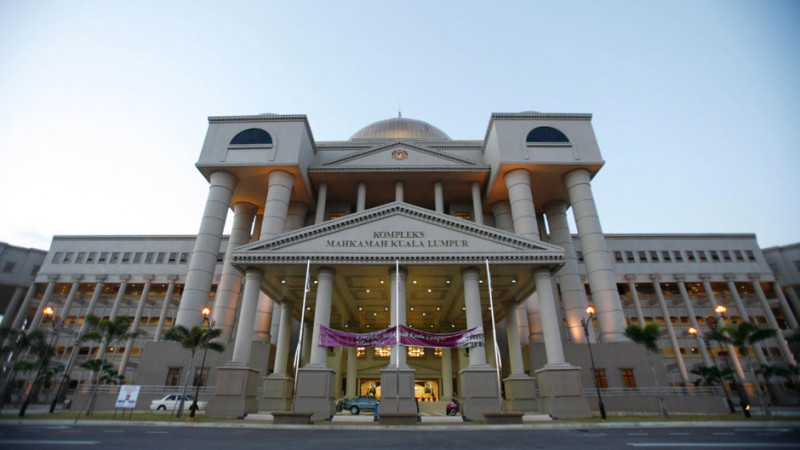
The high-stakes lawsuit, filed by Open Fibre Sdn Bhd in the Kuala Lumpur High Court on 5 June, this year marks an aggressive re-angling of a bitter corporate dispute.
It follows a decisive High Court ruling in February 2026 that struck out a prior attempt by the development bank to pursue related litigation against parties linked to Aries.
Open Fibre, which holds a commanding 90.87 per cent stake in Aries Telecoms, is now aggressively pursuing the defendants for joint and several damages of approximately two billion ringgit.
In the alternative, the plaintiff is seeking a court order compelling the defendants to pay between RM1.8 billion and RM2.2 billion directly to Aries Telecoms to rectify reflective losses stemming from the alleged collapse of its investment.
The legal offensive casts a wide net, naming Bank Pembangunan as the first defendant alongside an array of senior banking officials, legal counsel, and insolvency practitioners.
The six other co-defendants include Tan Sri Rashpal Singh Randhay, a bank board member appointed in April 2022; senior bank officer Nik Nor Aini Nik Mohamed; legal firm Lim Chee Wee Partnership and its principal Dato’ Lim Chee Wee; and court-appointed receivers and managers Lim Keng Peo and Noorusa’adah Binti Othman.
At the core of the newly filed writ is an allegation that the defendants engaged in an unlawful means conspiracy, abuse of the court process, and fraud on the court. Open Fibre claims these actions directly resulted in the systemic undervaluation, mismanagement, and eventual liquidation of a viable, nationwide telecommunications asset.
The statement of claim shines a harsh spotlight on a sudden U-turn in Bank Pembangunan’s litigation strategy following board-level shake-ups in 2022.
Open Fibre alleges that within weeks of these appointments, the bank reversed its long-standing legal position, shifting from a firm denial of wrongdoing in previous proceedings to launching a fresh lawsuit.
This new action was reportedly built upon highly contested admissions made by a defaulting debtor linked to the dispute.
The plaintiff contends this abrupt policy shift exposed the state-owned financial institution to severe financial and legal risks while directly contradicting positions it had maintained across multiple earlier court hearings.
Furthermore, the lawsuit targets a March 2024 consent judgment, which saw a settlement of just RM500,000 finalised for claims originally valued at a staggering RM565 million.
Open Fibre labels this settlement as disproportionately low compared to the actual losses, which it estimates exceed RM75 million, and is formally asking the High Court to set the judgment aside.
In a particularly damning accusation regarding corporate stewardship, the plaintiff alleges that the court-appointed receivers and managers failed fundamentally to safeguard the value of Aries Telecoms.
Open Fibre asserts that a viable, revenue-generating, and operational national fibre-optic network—which had already successfully repaid nearly RM100 million in loans—was inexplicably allowed to slide into liquidation over an outstanding tax liability of a mere RM75,000.
The litigation also forces uncomfortable questions to the forefront regarding corporate governance, due diligence in state-linked board appointments, and statutory compliance under Section 17A of the Malaysian Anti-Corruption Commission Act 2009.
Open Fibre argues that if Bank Pembangunan genuinely accepted the bribery allegations referenced in the court filings, it had an absolute statutory duty to report the matters to the relevant anti-graft authorities.
Conversely, if it did not believe them, the bank risks having relied on misleading representations in open court.
With Aries Telecoms currently remaining under liquidation, Open Fibre is executing the claim as a shareholder action.
The unfolding case is poised to invite intense public and regulatory scrutiny into how state-linked financial institutions manage distressed strategic national infrastructure and navigate complex, high-value corporate debt disputes in Malaysia. - June 10, 2026
.jpeg)