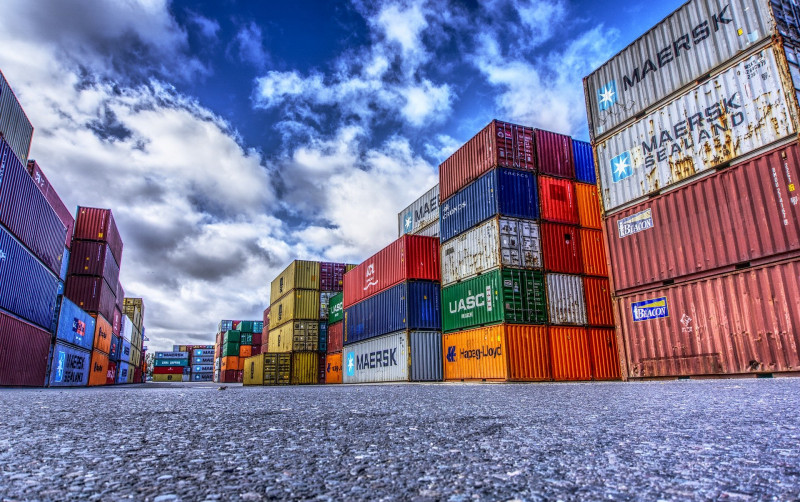
MALAYSIA should firmly defend its reputation as a trusted trading and shipping hub while conducting thorough checks to identify companies that may be abusing its ports to circumvent United States tariffs, said maritime industry observer Datuk Seri Jeyenderan Ramasamy.
He said Malaysia should neither dismiss the concerns raised by the US nor allow broad allegations to cast doubt on the country’s entire maritime and logistics sector, stressing that authorities should demand evidence and investigate specific companies and cargoes.
“We should not become defensive about the US report. Ask for the evidence. Investigate it properly. Identify the companies and cargo involved. Then take action based on facts and the law,” he said.
Jeyenderan said Malaysia had worked hard to establish itself as a trusted regional shipping and trading hub, adding that any doubts over the credibility of Malaysian certificates of origin or cargo controls could have serious consequences for legitimate businesses.
“Once international partners start questioning our certificates of origin or our cargo controls, every genuine Malaysian company will suffer. Transshipment is not illegal.
“Malaysia is a major trading nation and cargo must be allowed to move through our ports. But legitimate transshipment must be clearly separated from any attempt to conceal the true origin of goods,” he said.
He said authorities should focus on discrepancies between bills of lading, customs declarations, certificates of origin, commercial invoices and the actual movement or handling of cargo.
He added that particular attention should be given to shipments where Chinese-origin goods are allegedly repacked, relabelled or subjected to minimal processing in Malaysia before being exported and declared as Malaysian-origin products.
“Changing a label or packaging does not automatically change the origin of a product. Authorities must establish whether genuine manufacturing or substantial transformation took place in Malaysia,” he said.
Jeyenderan said investigations should go beyond the physical container and identify the companies and intermediaries behind suspicious shipments, including importers, exporters, manufacturers, freight forwarders, customs agents, warehouse operators and commodity traders.
“If a company is deliberately using Malaysia to hide the true origin of goods, identify that company. We should not allow the entire Malaysian port industry to be blamed for the actions of a few companies,” he said.
Jeyenderan called for the Royal Malaysian Customs Department to strengthen risk-based screening by examining companies’ compliance histories, shipment volumes, declared values, countries of origin, consignee changes and unusual routing patterns.
Rather than physically inspecting every container, he said Customs could use data analytics to identify high-risk companies and shipments for targeted documentary and physical checks.
He also called for stronger information-sharing between Customs, port operators, shipping lines, enforcement agencies and relevant ministries to establish a digital audit trail covering high-risk cargo from its original port to its final destination.
“The authorities should be able to establish where the goods originated, who owned them, who handled them in Malaysia, whether substantial processing took place and where they were eventually exported,” he said.
He said post-clearance audits should also be strengthened because scrutiny should not end once a container leaves the port, particularly where goods are subsequently exported to markets with significantly different tariff treatment.
At the same time, Jeyenderan cautioned against excessive enforcement that could burden legitimate Malaysian manufacturers, exporters and logistics companies whose supply chains involve China or the US.
“Malaysia must be defensive of its reputation, not defensive against investigation. We should have nothing to fear from proper scrutiny if our systems are working,” he said.
“If companies are abusing our ports or free zones, identify them and take action. If the trade is legitimate, Malaysia should have the confidence to defend it,” he said.
Jeyenderan said the strongest response to the US concerns was therefore greater transparency, company-level accountability and evidence-based enforcement.
“Defend Malaysia’s ports. Protect legitimate businesses. But expose those who misuse the system. That is how we protect Malaysia’s reputation as a trusted trading nation,” he said. - August 16, 2026