
PUBLIC-listed independent power producer Malakoff Corporation Berhad is transitioning progressively into clean energy and assisting sustainable initiatives.
With support from the biggest energy player, Tenaga Nasional Berhad, Malakoff is confidently migrating from traditional power generation into the new age of sustainable and green-driven energy ventures.
Its corporate planning head, Masleena Hafiza Mahdi, said Malakoff is not just an energy producer but an entity which is investing heavily in clean and green initiatives.
It is also compliant with the requirements of the regulators and local authorities, she stressed.
“Malakoff has invested in renewables such as rooftop solar panels in Kota Tinggi, hydro generation in Kelantan and waste-to-energy in Malacca.
“There is also the solar photovoltaic (PV) farm project in Bintulu, Sarawak - as it works with the state authorities there to realise the pivot towards green energy.
"So, we too are transiting. From thermal such as coal to renewables. We are diversifying our portfolio, and we will remain competitive doing it," she said at the sidelines of the annual Clean Energy Transition Asia (CETA) summit, which Malaysia hosted at the Malaysian International Trade and Exhibition Centre (MITEC).
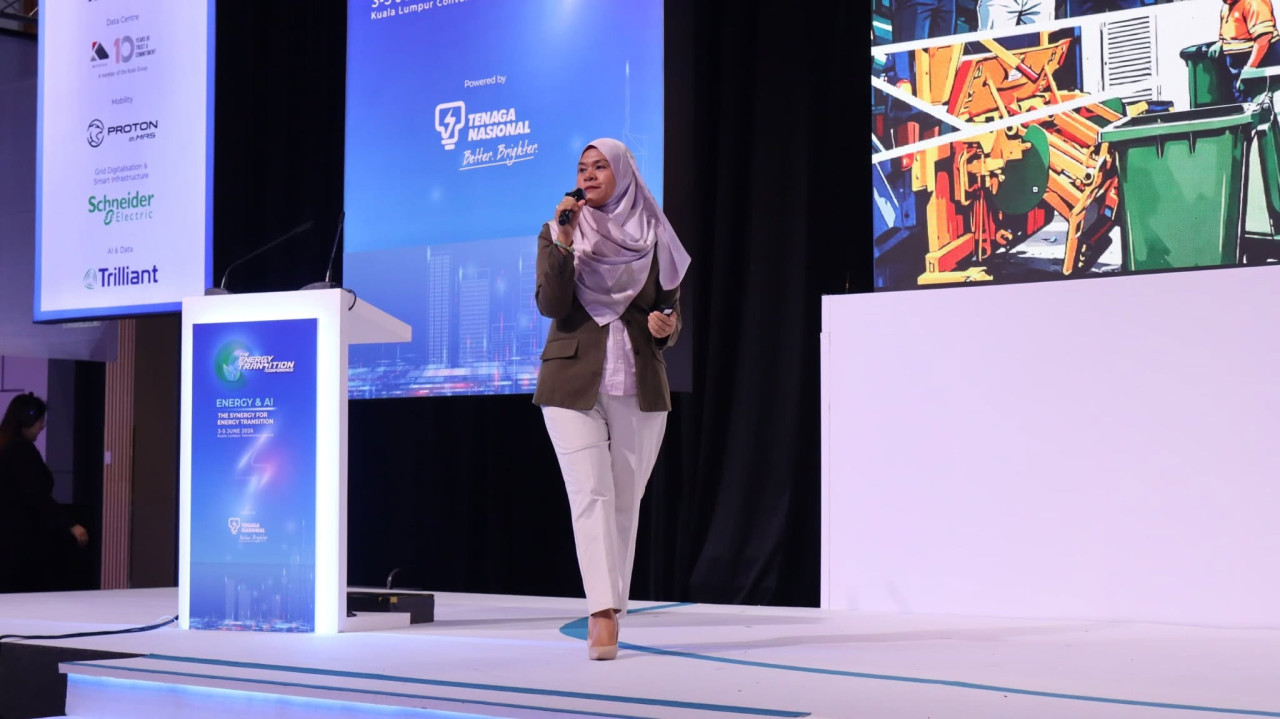
Masleena said there is also a need to do it now to prepare for the carbon tax framework, which began its rollout this year, targeting industries with high emissions.
Malakoff was also a key supporter of CETA, illustrating their commitment towards green and clean energy.
Its sustainability strategy is guided by three main principles: easy access – Providing reliable electricity, clean water and effective waste disposal.
Greener energy sources – Transitioning from conventional fossil fuels towards renewable energy, and a cleaner environment by promoting efficient waste management and a circular economy.
Malakoff's sustainability framework also aligns with the 13 United Nations Sustainable Development Goals (UN SDGs).
Overall, Malakoff is transforming its business from a conventional power generation company into a more diversified energy and environmental solutions provider.
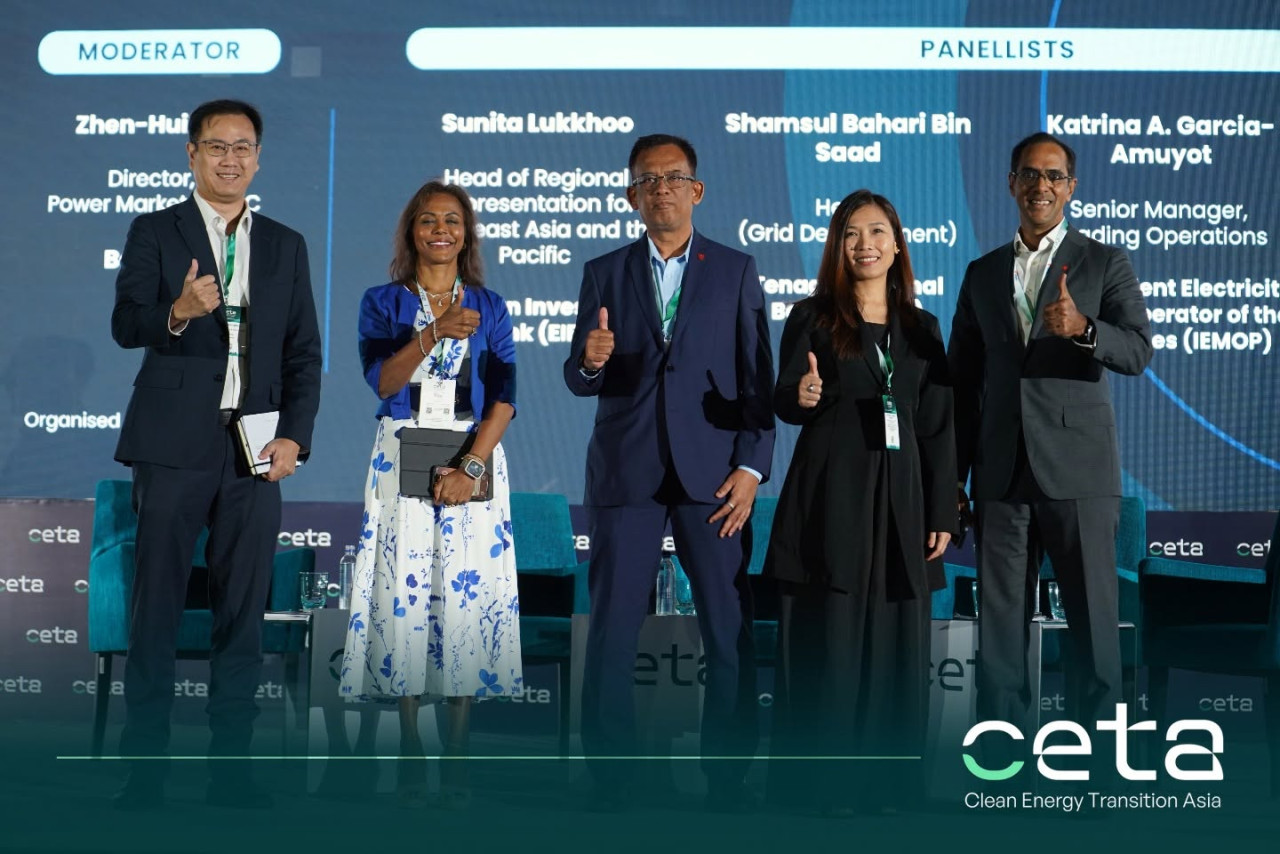
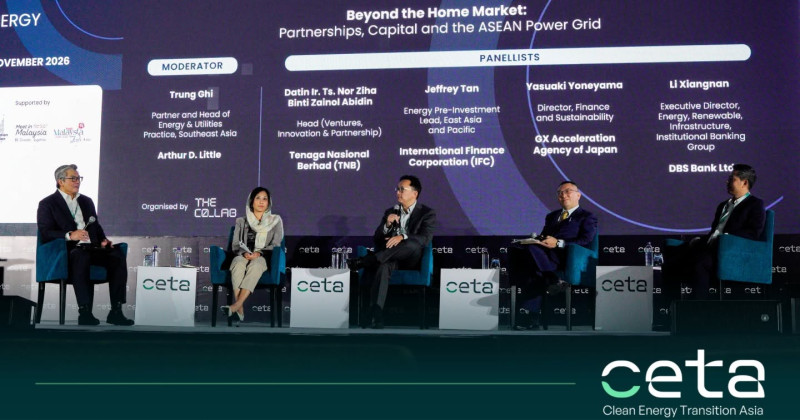
CETA this year sees more than 3,500 attendees from throughout Asia for over two days.
"ASEAN energy transition has moved from ambition to execution," said Mel Shah, the chief executive officer of C0_Lab, the organiser of CETA.
Among the notable topics discussed were the contentious data centres over the high usage of water and energy needed, as well as the waste it may generate.
There was also a proposal to make the proposed ASEAN power grid a reality soon.
When combined, the grid can help power the energy and development needs of the 11-member regional bloc. - November 11, 2026.