SOFTBANK Group and Grab have proposed an initial US$1.85 billion (RM7.7 billion) investment to develop artificial intelligence (AI) infrastructure in Malaysia, with a long-term target of building at least five gigawatts of computing capacity.
The proposed multi-year development plan will cover Sarawak and Peninsular Malaysia, following the signing of joint development agreements involving the two companies and Petroleum Sarawak Bhd (PETROS).
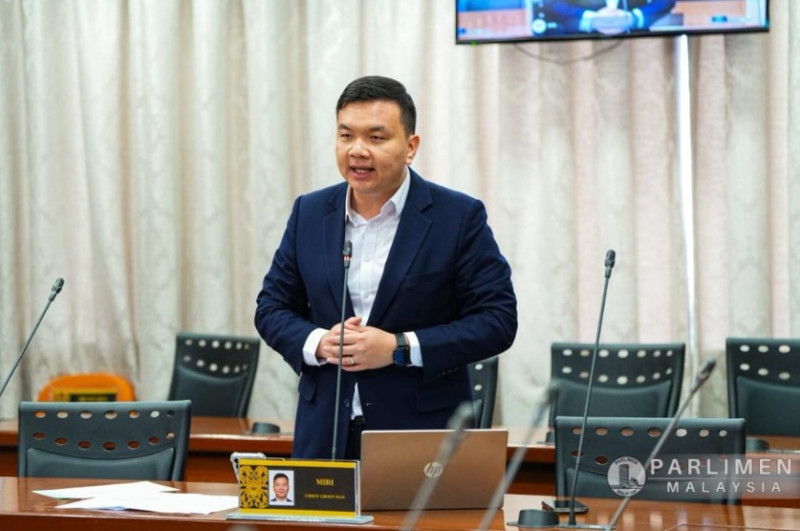
Deputy Tourism, Arts and Culture Minister Chiew Choon Man said the proposal was among several major investment developments pointing to growing foreign interest in Malaysia, particularly in technology and high-value industries.
Last week, Google announced plans to invest US$15 billion in Malaysia over the next two years to develop energy-efficient data centre campuses in Selangor and Negeri Sembilan.
The investment is expected to support the creation of 37,000 jobs annually, including 6,000 in the construction sector, Chiew said in a statement today.
“A Chinese business delegation led by Pansy Ho had also expressed interest in potential investments worth US$15 billion in Malaysia,” Chiew disclosed.
Chiew, who met the delegation, said discussions centred on opportunities in six sectors: electrical and electronics (E&E) and semiconductors; specialised industrial materials and precision engineering; digital economy and technology infrastructure; food processing and halal products; health and pharmaceutical technology; and tourism.
He said the proposed investments would be directed towards high-value and technology-driven industries rather than labour-intensive businesses dependent on unskilled workers.
Beyond the investment announcements, Chiew pointed to Malaysia’s economic performance as another factor underpinning investor confidence.
Gross domestic product (GDP) grew 5.1% in 2024, up from 3.5% in 2023, before expanding by 5.2% last year, according to figures from the Department of Statistics Malaysia (DOSM).
The growth momentum continued into 2026, with the economy expanding by 5.7% in the first half of the year. Second-quarter growth stood at 6%, DOSM reported.
Chiew also highlighted the ringgit’s performance against the US dollar, noting that it had strengthened to around RM3.89 in the first quarter before weakening to approximately RM4.15 in June.
Citing CIMB Treasury and Markets Research, he said the currency could strengthen towards RM4.00 against the US dollar by year-end.
Chiew attributed the investment interest to economic reforms and efforts by the MADANI administration, led by Prime Minister Datuk Seri Anwar Ibrahim, to position Malaysia as a destination for international businesses since November 2022.
He said the government would continue working to attract foreign capital, particularly into industries that bring technology, create skilled jobs and contribute greater value to the economy. - November 11, 2026