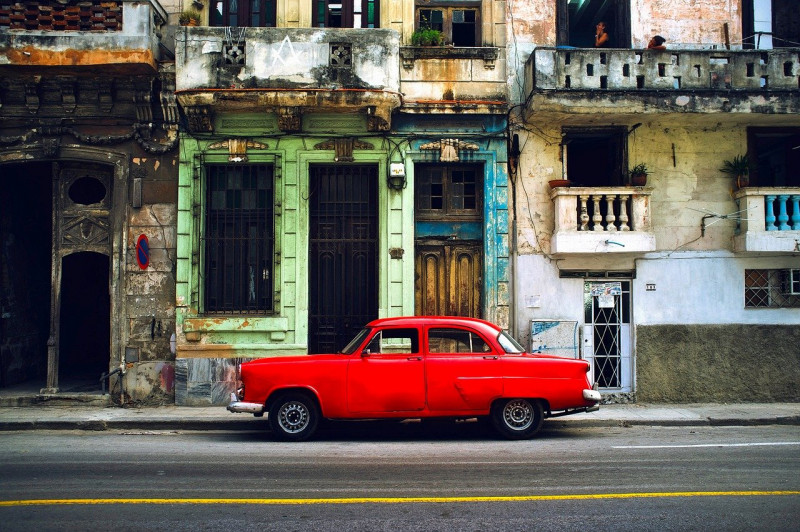
HAVANA – Cuba announced yesterday that private activity will be authorised in most sectors, a major reform in the communist country where the state and its companies dominate economic activity.
The measure, which was unveiled last August by Labour Minister Marta Elena Feito, was approved Friday during a meeting of the Council of Ministers, according to the daily Granma, the official newspaper of the ruling Communist Party.
Until now, private activity – which has been authorised in Cuba since 2010 but whose real boom dates back to the historic warming of ties between Cuba and the US, initiated at the end of 2014 under Barack Obama – was limited to a list of sectors set by the state.
“The previous list of 127 (authorised) activities has been eliminated,” the labour minister said.
From now on, a list will determine the sectors reserved for the state, which will be a minority: “Of the more than 2,000 activities in which private work is allowed... only 124 will be limited, partially or totally,” Feito said, without giving further details, though they are expected to include industries considered strategic to the state, include media, health and defence.
“That private work continues to develop, is the objective of this reform,” she said, stressing that this “will help free the productive forces” of the private sector.
Currently, more than 600,000 Cubans work in the private sector, or 13% of the workforce on the island of 11.2 million.
They are employed mainly in gastronomy, transportation and renting rooms to tourists.
But these sectors were hard-hit by stepped-up US sanctions under Donald Trump's administration, as well as by the coronavirus pandemic, leading to many business owners suspending their licences.
The reform is “an important step to increase employment”, Economy Minister Alejandro Gil said on Twitter.
This is “good news” and “a step in the right direction”, even if, “unfortunately, it took too long to be approved”, tweeted Ricardo Torres, an economist from the University of Havana. – AFP, February 7, 2021