NEW YORK – European and US stock markets tanked while oil prices plunged over 5% as investors braced for tighter lockdown measures to combat soaring coronavirus infection rates, dealers said.
Wall Street’s main indices slumped, with the S&P 500 falling 3.5% at the close, while Frankfurt ended the day down 4.2%, Paris fell by 3.4% and London lost 2.6%, with sentiment plagued by an alarming surge in Covid-19 cases in Europe and the United States.
More than 500,000 new coronavirus cases were reported worldwide in a new record, according to a tally compiled by AFP.
French President Emmanuel Macron announced new virus lockdowns that take effect tonight, as doctors warned many hospitals are just days away from being overrun with patients.
The restrictions were unveiled a day after officials announced 523 coronavirus deaths in 24 hours – the highest daily toll since April.
Just after trading ended German Chancellor Angela Merkel also unveiled drastic new curbs, including fresh shutdowns hitting leisure, sports and the food and drink sectors.
Given up
“Grim. That’s the only word that can describe the markets on Wednesday,” said Spreadex analyst Connor Campbell.
“Investors’ Covid-19 fears (are) attacking stock prices in ways not seen since the start of the Western phase of the pandemic back in March.”
The upsurge in coronavirus fears comes as investors have essentially given up on the chances of a new stimulus package out of Washington.
With US lawmakers unlikely to agree any new rescue package before Tuesday’s presidential election, analysts said the new wave of virus infections and lingering uncertainty over the vote mean equities will face a wobbly few days.
US GDP is expected to show a record spike of around 30% for the third quarter, but economists warn the big number was fuelled by government aid that has now run out, and the gain obscures remaining signs of trouble, especially the slowing pace of recovery.
The government is set to release the first estimate for the quarter at 1230 GMT (8.30pm Malaysian time) today.
Oil dumped
The impact of this year’s lockdowns and travel restrictions was laid bare Tuesday as the World Tourism Organisation said the sector had seen a 70% collapse in business, leading to a US$730 billion (RM2.9 trillion) loss in revenues, while the UN’s trade body said foreign direct investment was likely to slump 40%.
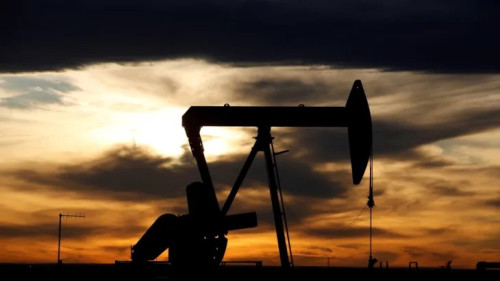
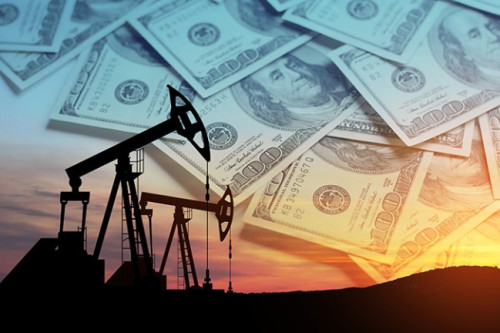
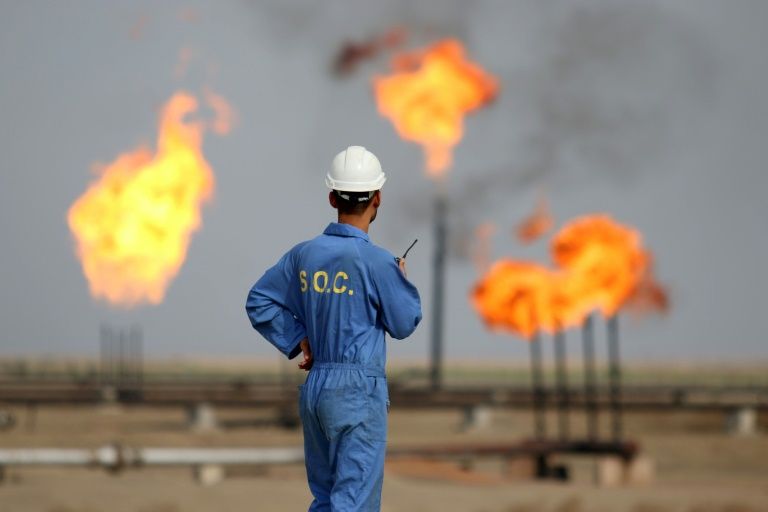
Shutdowns also dampen demand for oil, which saw prices tumble more than 5%.
“Dealers were dumping oil as they took the view that demand is likely to decline on the back of the growing health crisis,” said market analyst David Madden at CMC Markets UK. – AFP, October 29, 2020