
SANDAKAN – The rebound in palm oil prices, coupled with an expected increase in demand from China and India, may be able to cushion the blow dealt by Covid-19 to Sabah’s economy.
On Wednesday, the price of crude palm oil (CPO) hit its highest since February 2017 at RM3,243.50 per tonne, a day after CGS-CIMB Securities Sdn Bhd predicted strong demand from the two major economies next year.
Universiti Malaysia Sabah’s Business, Economics and Accountancy Faculty dean, Prof Datuk Kasim Mansor, is optimistic for the palm oil industry in the state, which is Malaysia’s largest producer of the commodity at some 25%.
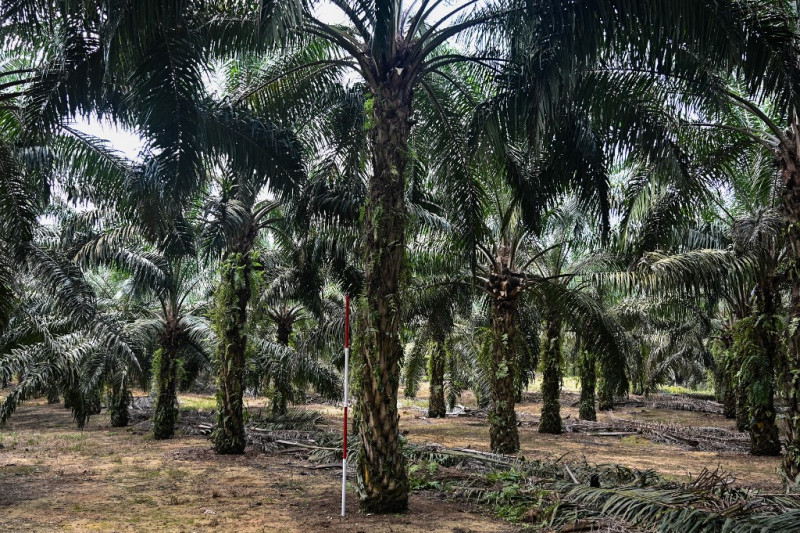
Sabah’s oil palm plantations cover 1.544 million hectares, or 21 times the size of Singapore, and employ 220,000 workers.
Of the state’s total income, said Kasim, the agriculture industry is the biggest contributor at 23%.
“The positive developments in the palm oil industry can cushion the recession in Sabah. Surely, the state’s economy will take time to recover, as our tourism industry is still not operating.
“The palm oil industry’s momentum is a blessing.”
The plantation sector, especially palm oil, is a growth engine for the nation, contributing significant taxes and creating jobs along the supply chain, as well as boosting the livelihood of rural communities.
Not only can Sabah generate more revenue from the rise in the CPO price, said Kasim, but there is room for the state to step up production.
“There may be increasing demand for palm oil products in the world market, and the industry could make even more (revenue) than it had in years.
“We should remember that demand for palm oil also depends on our competitors. For example, Brazil, which is producing sunflower oil. If the dry season there continues, their production may drop, making the price (of sunflower oil) higher.
“This will make our palm oil an attractive alternative.”
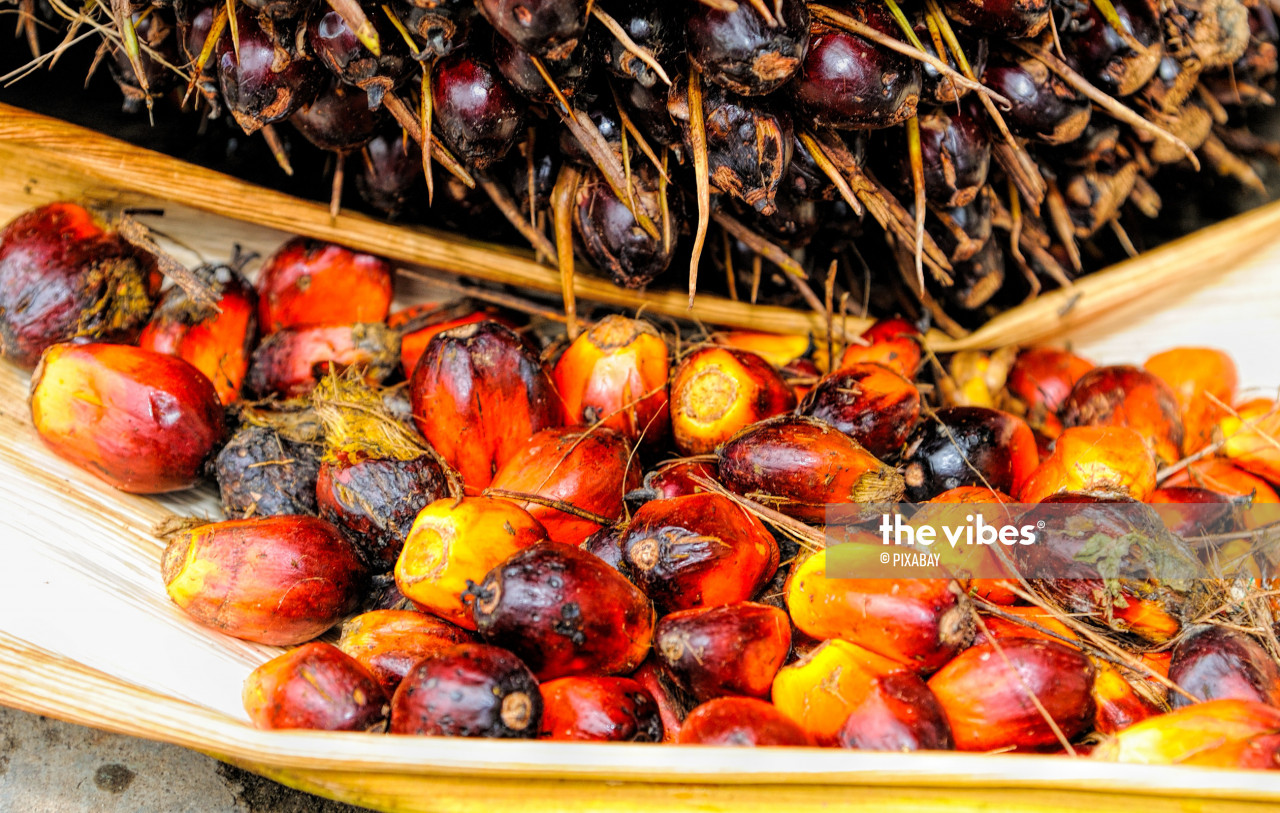
He said Sabah produces better-quality palm oil and a higher yield per hectare than other Malaysian states thanks to its soil.
Malaysian Palm Oil Association chief executive Datuk Nageeb Wahab said the boost in prices will allow Sabah to make up for losses incurred after the conditional movement control order was imposed statewide on October 13, halving the workforce for operations related to the industry.
“This resulted in lower crop and milling production. Hence, the state is affected in terms of revenue for the industry, as well as the state coffers.”
East Malaysia Planters’ Association chairman Anthony John Wong said the rise in the CPO price will also help related sectors, such as logistics and lubricants.
Meanwhile, the state government’s decision to allow oil palm plantations to operate at full capacity starting last Friday has been lauded by industry players.
Malaysian Estate Owners’ Association council member Joseph Tek expressed the group’s appreciation.
“Estate owners will help to police the 220,000-strong plantation workforce and keep them within the boundaries (as per the movement restrictions) and gainfully employed.
“At the same time, this allows smallholders and mid-sized estates to earn their share of the RM60 million-per-day potential income from the sector in this peak season.”
Sabah United Chinese Chambers of Commerce president Tan Sri Andrew Liew said the state government’s decision is much welcomed amid the virus crisis.
“The palm oil industry in Sabah suffered a depressed CPO market price and low yield from June 2018 to November last year. In the period from the end of 2018 to the end of 2019, the prices of fresh fruit bunches (FFB) were at their lowest in the last 15 years.
“Palm oil-related operations in six districts – Tawau, Lahad Datu, Kinabatangan, Kalabakan, Semporna and Kunak – were closed from March to April this year due to the pandemic.
“The six districts cover 65% of the total oil palm-planted area in Sabah, and produce 75% of the state’s palm oil.
“The industry has suffered great losses, and there are many smallholders from among village folk dependent on it.
“Transportation companies, too, were hit hard, as they were not allowed to transport fertiliser and CPO from mills to refineries and ports, and FFB from the estates to mills. There was a domino effect in the whole industry.
“So, with the high CPO price and operations allowed in full, now is the time for the Sabah palm oil industry to make up for its losses. Thousands of Sabahans rely on the industry value chain for their income.” – The Vibes, November 1, 2020