.jpg)

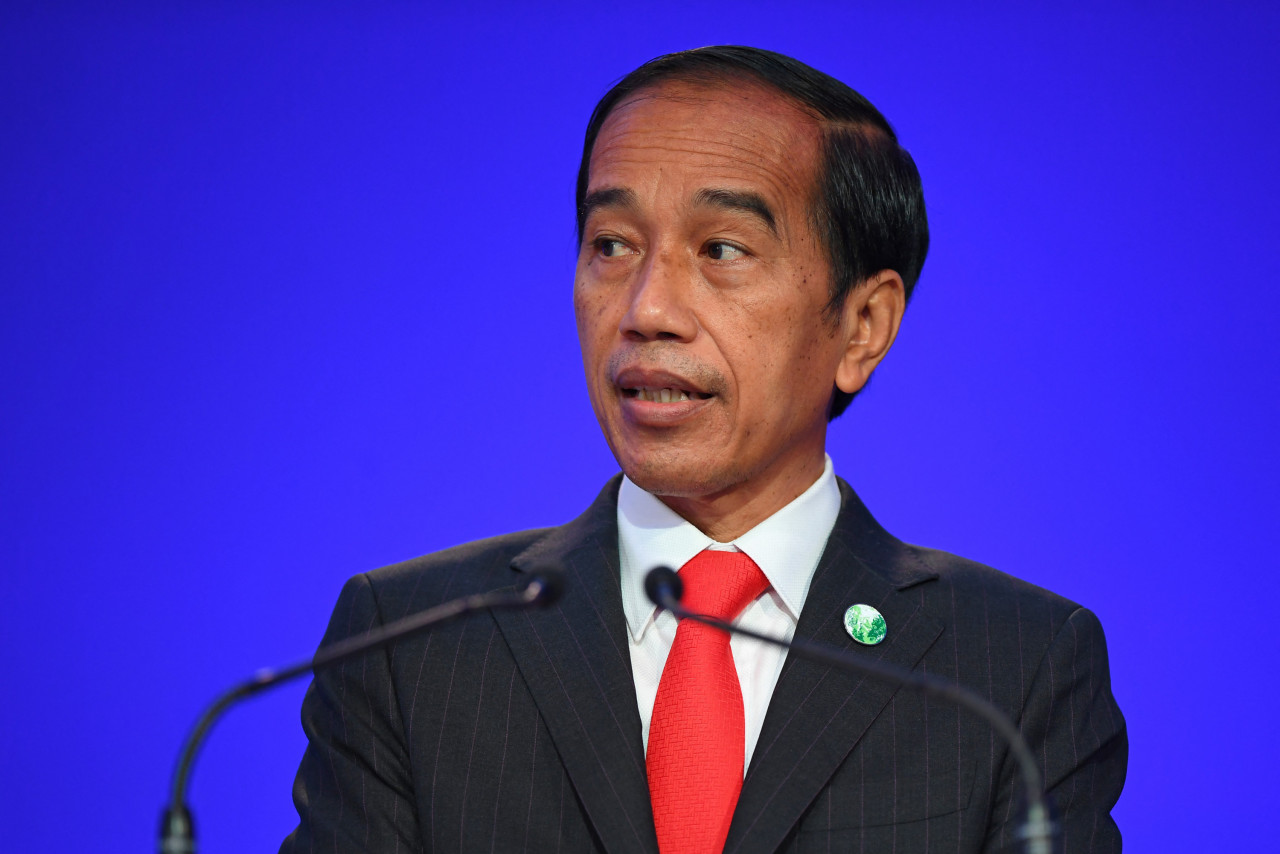
KUALA LUMPUR – Malaysians watched with interest when Indonesian President Joko Widodo announced the republic’s plans to relocate its capital city to Kalimantan, a move that promises to herald a barrage of economic benefits.
The approximately US$35 billion (RM146.5 billion) project for the new capital, now known as Nusantara, was first announced in August 2019, as the archipelago seeks to fortify its economic position in the region.
This came at a time when Malaysia had just witnessed a change in government after a multibillion-ringgit financial scandal threatened to derail the country’s accomplishments over the decades, forcing the nation further into debt.
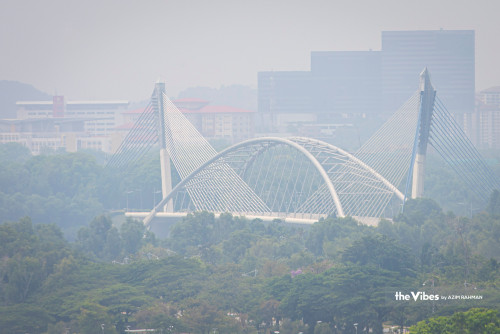
Initial reaction here to the news of Indonesia’s capital relocation was one of concern, as Malaysians fear the development of a new “smart, green city” across the South China Sea from Putrajaya could see investments ebb away.
However, economists are now allaying those fears, saying there is more to win for Malaysia than there is to lose.
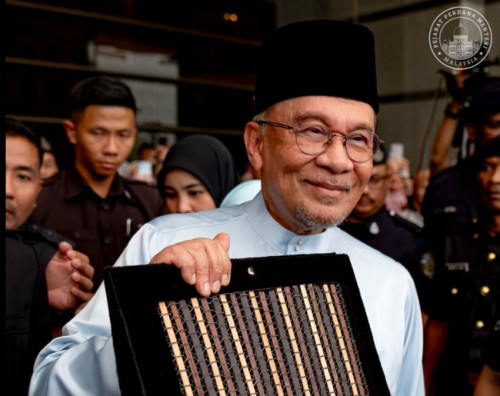
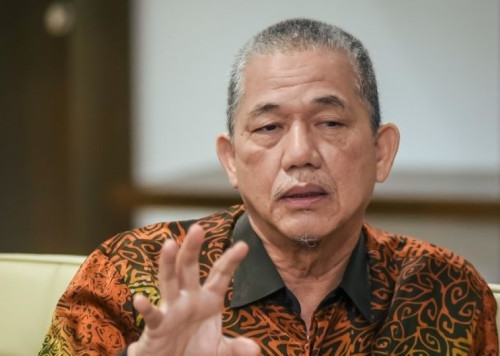
“In short, we will benefit from this relocation,” Sunway University economics professor Yeah Kim Leng summed up in a conversation.
Window for investment for locals
According to the senior economist, the biggest advantage will be that the move will offer local businesses significant investment opportunities.
Jokowi previously said that only 19% of the overall cost to develop the new capital will be funded by the state, with the rest coming from public-private partnerships and private investment.
“There will be vast opportunities for our businesses and investors. And depending on the extent with which Indonesia plans to make Nusantara a smart city, we can leverage even more in the form of e-commerce and IT,” Yeah told The Vibes.
As for the concern that foreign investors would now splurge on Nusantara rather than Malaysia, he said this apprehension is unwarranted, as there is a large enough “pool of investors” to accommodate the economic rise across the region.
Additionally, he said that the development in the eastern province of Kalimantan will have a positive spillover effect due to Malaysia’s close proximity, all which he said are favourable factors for Putrajaya.
Initial construction work for the development of Nusantara is said to already be underway, with the first batch of some one million civil servants set to relocate to the new bureaucratic centre beginning 2024, before Jokowi’s final presidential term comes to an end ahead of a fresh election.
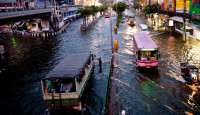
The move to relocate to the 445,000 acres of forested land was made amid the projected sinking of large parts of its current capital Jakarta in the coming years, and in view of overpopulation in the city, which is notorious for its traffic congestion.
Nusantara, which will sit between the coastal regencies of North Penajam Paser and Kuta Kartanegara, was picked due to its economic opportunities and lack of natural disasters.
Opportunities for Sabah, Sarawak

For Yeah, the relocation could be a catalyst for growth for Sabah and Sarawak, the two East Malaysia states that share the same Borneo island as Kalimantan.
He said this will spur regional development on the island, the largest in Asia, and offer numerous opportunities and benefits to Sabah and Sarawak.
“For one, entrepreneurs can take advantage in terms of supplying goods and services across their borders. Additionally, it can help foster cross-border activities, including tourism,” he said, while describing Nusantara as a new economic hub.
Independent economist Prof Zakariah Abdul Rashid shared Yeah’s sentiment, saying Nusantara’s close proximity to the underdeveloped states in East Malaysia will offer limitless potential.
Chiefly, he said Sabah and Sarawak can capitalise on the shifting of Indonesia’s capital thanks to the road network that will be available throughout Borneo.
“The spillover effect on our industries will be tremendous. Sabah, for example, has a lot of palm oil, while Sarawak is heavily involved in the oil and gas industry.
“Where previously we had to travel to Jakarta either by land or sea, the fact that we can do so now and transport our products by land is just encouraging.”
Zakariah said this will be aided by the planned Trans-Borneo Highway – a major road network system that will connect Kalimantan, Sarawak, Sabah and Brunei – which is expected for completion within the next decade.
The multibillion-ringgit Pan Borneo Highway project being constructed now between Sabah and Sarawak will be part of the circular road network.
Use friendship with Indonesia to advantage
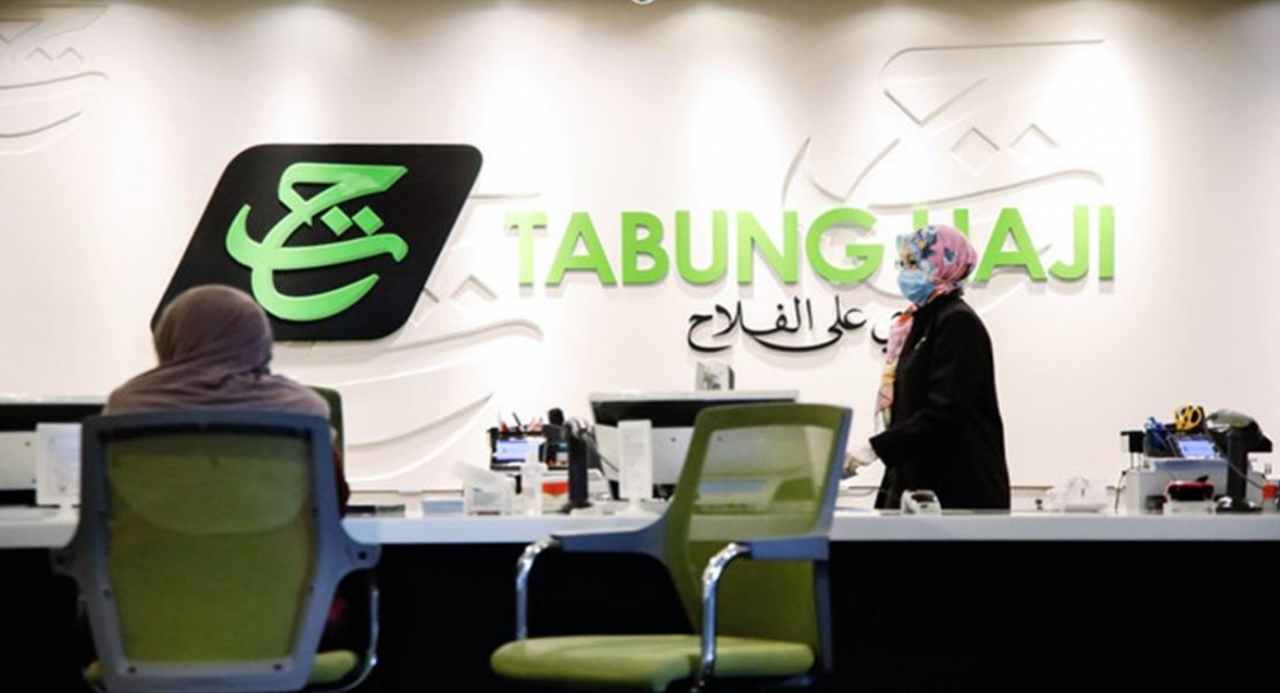
To ensure Malaysia does not lose out in the relocation of Indonesia’s capital city, Zakariah said it is incumbent on the government to convince foreign investors that the country is competitive.
He said Putrajaya should also consider encouraging investments from local firms like Tabung Haji and IOI Corporation Bhd, particularly with the opportunities on offer in East Malaysia.
In addition, the economist said Malaysia ought to utilise its present relationship and cooperation with Indonesia to its advantage.
“We shouldn’t consider them as our competitors, but should be working together in the spirit of cooperation. Perhaps, they can have a joint committee between Indonesia and Sabah and Sarawak to explore new opportunities.
“We can certainly play an active role in the development of the new capital city. There’s a lot to be gained by the two countries.”
He said both nations have their respective competitive advantages, particularly on the island of Borneo, and said they should allow the two developing countries to complement each other.
“Yes, Malaysia definitely can capitalise on this relocation.” – The Vibes, February 24, 2022