UNITED NATIONS – The UN warned today that a growing global food crisis could last years if it goes unchecked, as the World Bank announced an additional US$12 billion (RM52 billion) in funding to mitigate its “devastating effects.”
Food insecurity is soaring due to warming temperatures, the Covid-19 pandemic and Russia’s invasion of Ukraine, which has led to critical shortages of grains and fertiliser.
At a major United Nations meeting in New York on global food security, Secretary-General Antonio Guterres said the war “threatens to tip tens of millions of people over the edge into food insecurity.”
He said what could follow would be “malnutrition, mass hunger and famine, in a crisis that could last for years,” as he and others urged Russia to release Ukrainian grain exports.
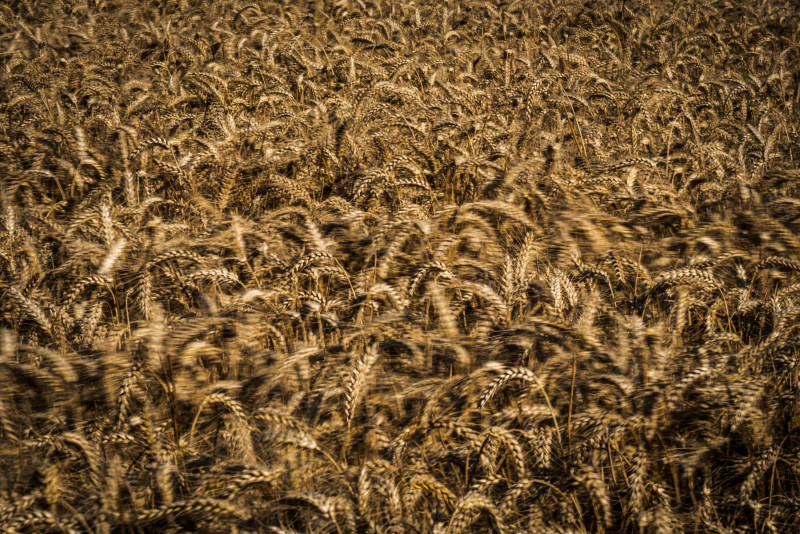
Russia and Ukraine alone produce 30% of the global wheat supply.
Moscow’s invasion of Ukraine and international economic sanctions on Russia have disrupted supplies of fertiliser, wheat and other commodities from both countries, pushing up prices for food and fuel, especially in developing nations.
Before the invasion in February, Ukraine was seen as the world’s bread basket, exporting 4.5 million tonnes of agricultural produce per month through its ports – 12% of the planet’s wheat, 15% of its corn and half of its sunflower oil.
But with the ports of Odessa, Chornomorsk and others cut off from the world by Russian warships, the supply can only travel on congested land routes that are far less efficient.
“Let’s be clear: there is no effective solution to the food crisis without reintegrating Ukraine’s food production,” Guterres said.
“Russia must permit the safe and secure export of grain stored in Ukrainian ports.”
US Secretary of State Antony Blinken, who chaired the summit, and World Food Programme head David Beasley echoed the call.
“The world is on fire. We have solutions. We need to act and we need to act now,” implored Beasley.
Russia is the world’s top supplier of key fertilisers and gas.
The fertilisers are not subject to the Western sanctions, but sales have been disrupted by measures taken against the Russian financial system while Moscow has also restricted exports, diplomats say.
Guterres also said Russian food and fertilisers “must have full and unrestricted access to world markets.”
Ukraine only ‘latest shock’
Food insecurity had begun to spike even before Moscow, which was not invited to yesterday’s UN meet, invaded its neighbour on February 24.
In just two years, the number of severely food insecure people has doubled – from 135 million pre-pandemic to 276 million today, according to the UN.
More than half a million people are living in famine conditions, an increase of more than 500% since 2016, the world body says.
The World Bank’s announcement will bring total available funding for projects over the next 15 months to US$30 billion.
The new funding will help boost food and fertiliser production, facilitate greater trade and support vulnerable households and producers, the World Bank said.
The bank previously announced US$18.7 billion in funding for projects linked to “food and nutrition security issues” for Africa and the Middle East; Eastern Europe and Central Asia; and South Asia.
Washington welcomed the decision, which is part of a joint action plan by multilateral lenders and regional development banks to address the food crisis.
The Treasury Department described Russia’s war as “the latest global shock that is exacerbating the sharp increase in both acute and chronic food insecurity in recent years” as it applauded institutions for working swiftly to address the issues.
India over the weekend banned wheat exports, which sent prices for the grain soaring.
The ban was announced Saturday in the face of falling production caused primarily by an extreme heatwave.
“Countries should make concerted efforts to increase the supply of energy and fertiliser, help farmers increase plantings and crop yields, and remove policies that block exports and imports, divert food to biofuel, or encourage unnecessary storage,” said World Bank president David Malpass. – AFP, May 19, 2022