![[VIDEO] Kuala Lumpur architecture: The future of a more resilient metropolis](https://media.thevibes.com/images/uploads/covers/November_2021/_large/10042021_-_Saloma_Bridge-_SADIQ_ASYRAF_-21.jpg)

WHEN we look at a city, too often the image of its skyline is ingrained in our minds to symbolise what it means to be a successful capital.
But the efforts and considerations that go into its development must be looked at intently to ensure that urban living is able to meet the expectations of the forward-thinking masses.
In that regard, it has been decades since we witnessed the completion of the first modern development, the KLCC Towers and its surrounding areas, that positively placed Kuala Lumpur (KL) on the world map.
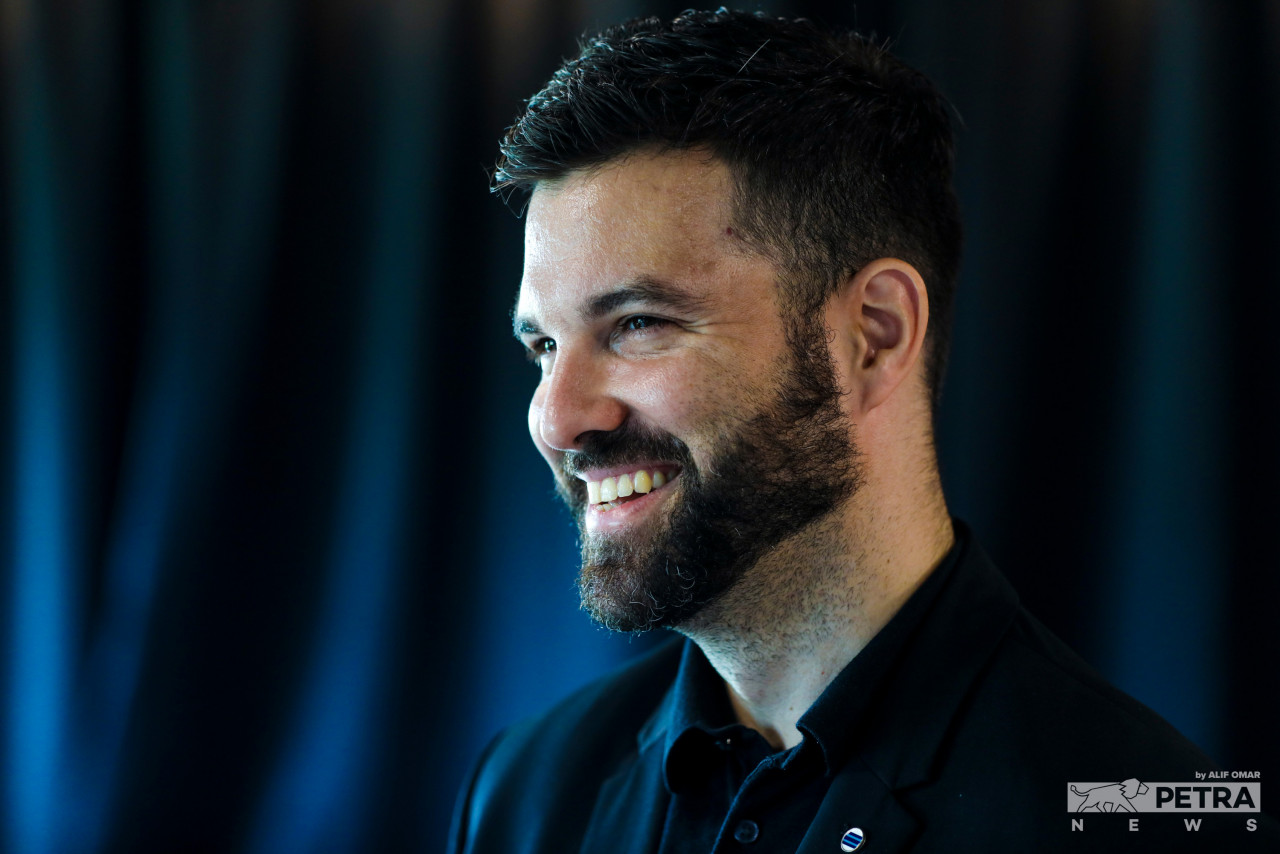
In this ever present chapter, The Vibes Culture & Lifestyle caught up with Veritas Design Group associate architect Dr Miguel A. Robles to discuss the concept of building for the future.
Cities don’t grow by accident
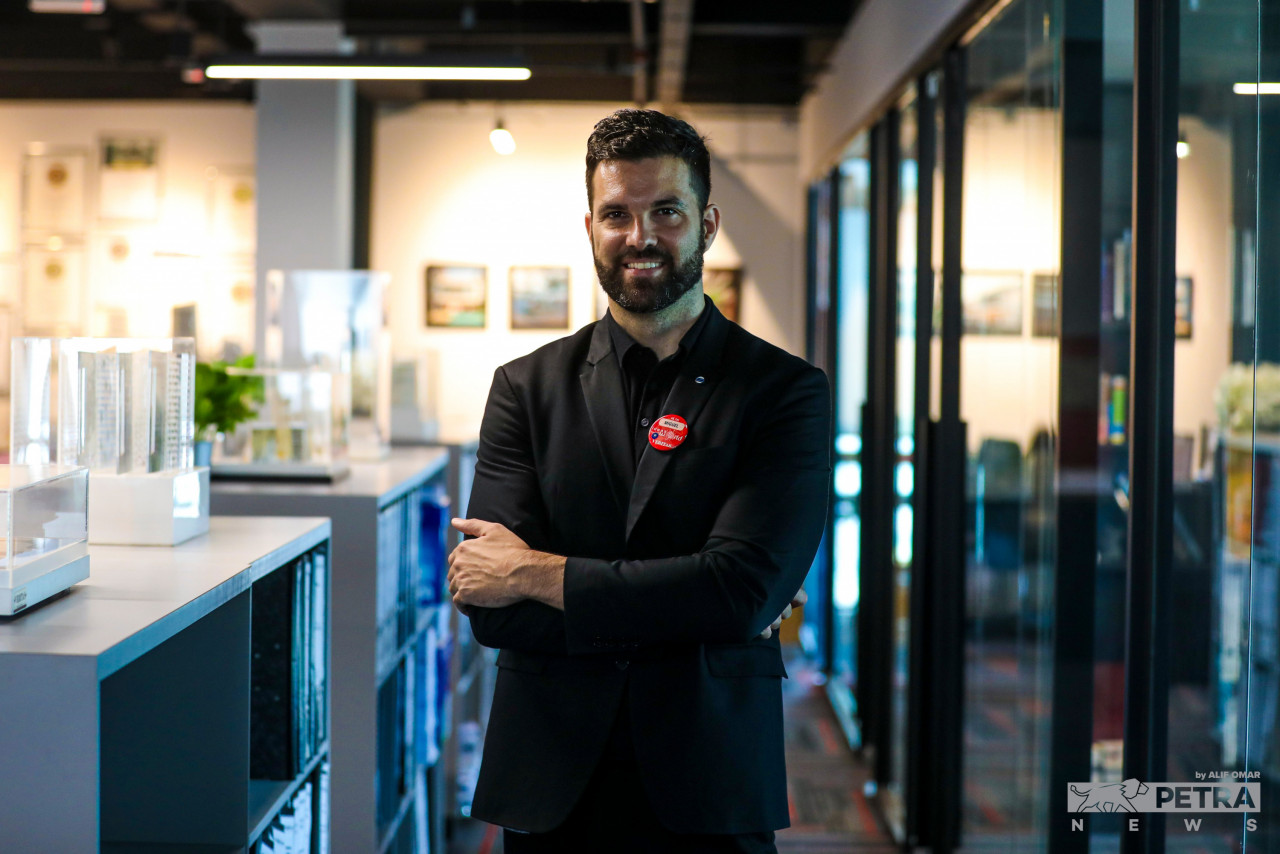
Indeed, within the context of design, strategic blueprints, or in this case, master planning is important to guarantee comprehensive development goal(s).
“My first impression of Kuala Lumpur was that it is a great land for opportunities,” expressed Robles, who has been living and working in Malaysia for the past seven years, “but in the reward, there is the ‘punishment’ as well because there is so much to be done.”
“That said, one positive note I will highlight at every opportunity I can is that there is a high-level of discourse about urban planning and motivations to address climate change (which does not escape any economy today) held among local professionals and industry players.
“In fact, this is something that is fairly comparable to what is happening in top developed nations across the world such as in Europe and America,” he highlighted.
An assuring fact for a country that is growing like Malaysia, as Robles has claimed, because it shadows the conversations happening in regional urban centres such as Hong Kong and Tokyo, which are already established.
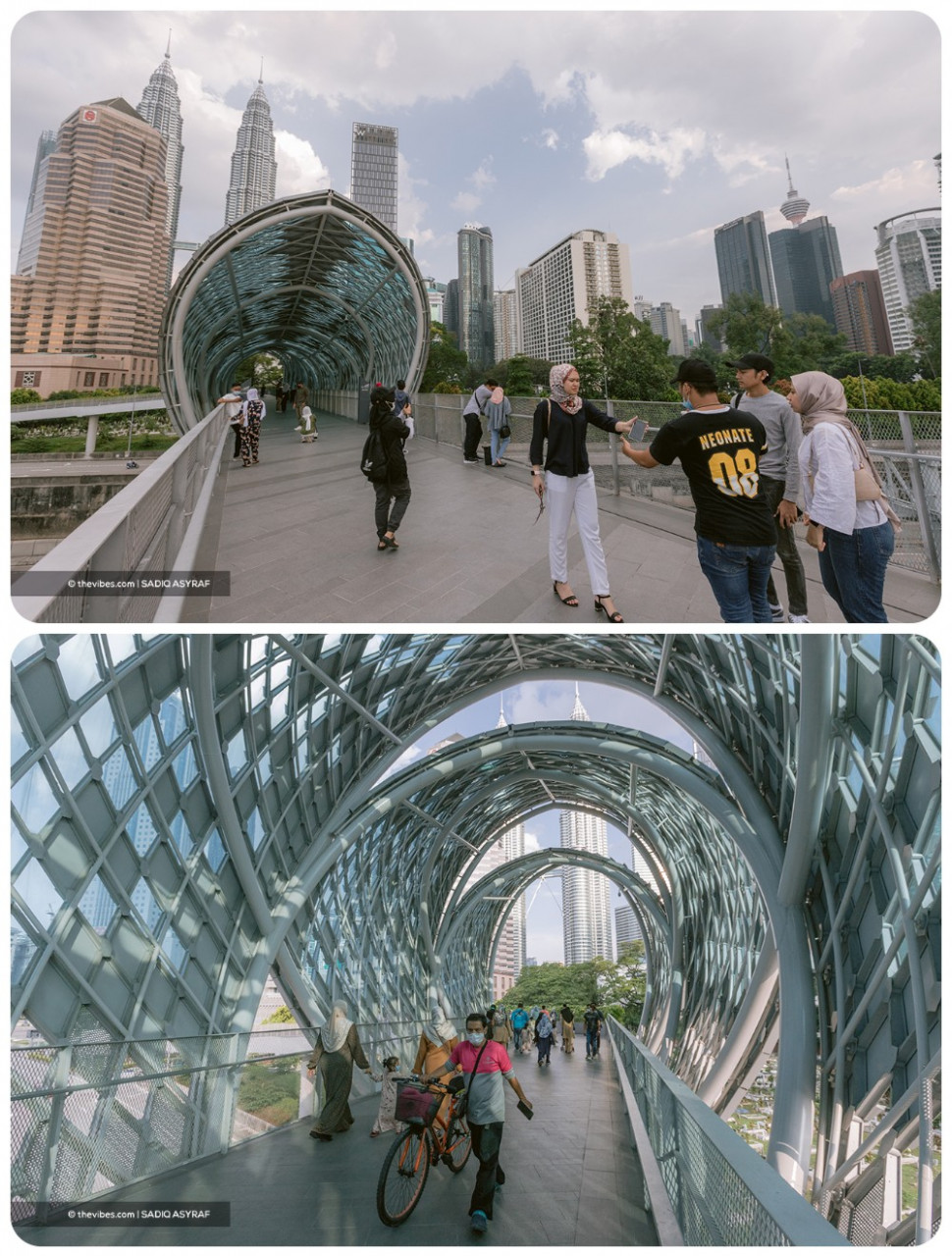
The intensity of the discussion – thanks to the participation between the public, stakeholders and authorities – is demonstrated in KL’s target to become a carbon-neutral city by 2030.
“Looking at the most important aspect next is on the implementation,” stressed the architect.
“Although there are policies that try to tackle this issue across the board (in all sectors that contribute to climate change, and not just within the context of construction), fulfilling the framework is still very much relaxed.
“There are many convenient ways for those who want to escape the direction, to escape it. So the attention now is towards the authorities to tighten certain measures so the city (or the nation in its entirety) can progress in parallel with the discourse that is happening.
“Eventually, we are talking about the well-being of millions and not just for few groups of people with a specific interest or agenda,” he added.
Responsibility in the design
Robles shared that as architects, clients don’t necessarily equate just the commissioning developer, “... but everybody who is going to use the buildings and spaces we have a hand at constructing. It’s a much larger pool than just one particular representative.”
“There is a need to apply design-thinking for the larger community to benefit from our work.
“For instance, whenever we engage to propose a development or be part of the master planning, we always carry a very thorough study of the surrounding and we really care about the context of how our proposal engages with the community – how we can revitalise, reinforce and emphasise the values of the place we are developing,” he shared, noting positive transformations relies heavily on such principles.
Explaining further on what the architectural firm tries to do within their capacity: “Firstly, it is advocating and provide convincing examples of how they believe the future of productive constructions should be.”
*Kuala Lumpur Architecture: Making KL more productive and pedestrian-focused.
“Our understanding is that our buildings must equally address matters that are besides the needs of developers or targeted residents in question.”
The Oxley towers, a project by Veritas Design Group that is set to complete by 2023, will feature an ensemble of three cascading mixed-use skyscrapers interlinked with landscaped sky decks set to become a future landmark of the KL skyline.
To highlight the point that Robles made, the street-front plaza located as part of the development plan will help in funnelling pedestrians into an urban corridor that cuts a path through the city block, creating a human scale at street level, amidst towering skyscrapers.
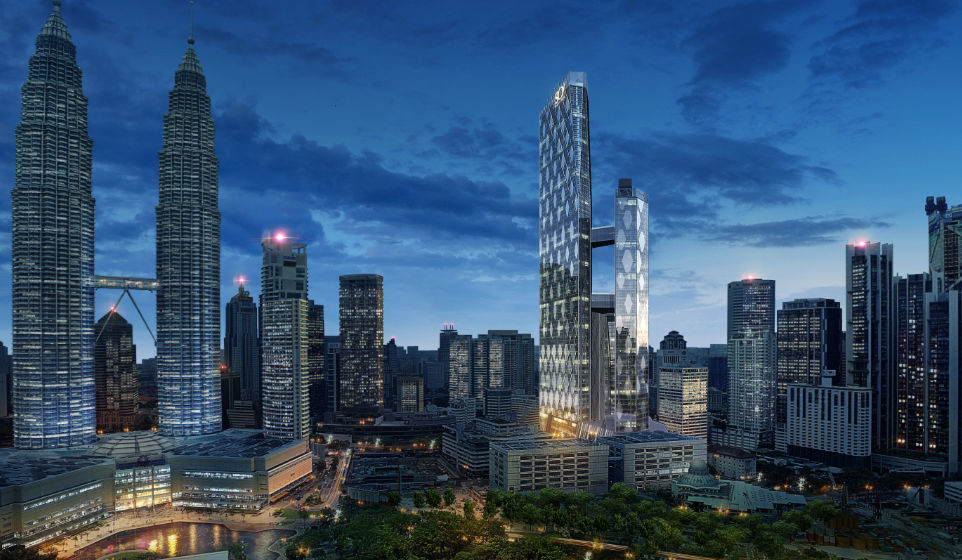
There is also a retail corridor which forms an indoor street sheltered from the tropical weather and links pedestrians from the bustling Jalan Ampang to the KLCC Park and mosque located at the rear, allowing for a more walkable experience to access key locations within the area.
Looking towards the future
“So the Kuala Lumpur golden triangle has been, and will continue to perhaps be the ‘jewel of the crown’, but the city’s districts like Bangsar, Mont Kiara and Taman Tun does play equal importance in the outlook of what a thriving metropolitan would entail,” noted the architect.
“This natural progression is a positive way in looking towards developing parts of the city for its own community reasons.
“Wanga Maju in this case has been identified as a future carbon zero (pilot) district in the city.
“To encourage this, Kuala Lumpur City Hall (DBKL) has put in certain efforts to reflect the move where if you just spend time and walk around this district you can see free electric busses/shuttles being made available for easy commute,” said Robles.
“Of course, there is much more needed than that but again the mere fact that the sustainability discourse is being realised makes the intention assuring for the population to enjoy the quality of the surrounding built environment,” he added.
Robles then reminds that the impact of a productive city should also resonate across neighbouring cities within the country to prove its significance.
“The population in Malaysia is healthy and has grown so much since when I first arrived here.
“But the country's successes not only relies on just Kuala Lumpur or focused at the progress within its golden triangle and the glamorous neighbourhoods you see in close proximity.
“All the small towns up north and down south do require the deserving attention at some point, and hopefully not when it is too late.” – The Vibes, August 7, 2022
*This article is part of a series of content produced for Lens KL, The Vibes Culture & Lifestyle’s fortnightly series that sheds light on the past, present and future aspirations of Kuala Lumpur.