PUTRAJAYA – Malaysia, Brunei, Singapore and Thailand agreed to nominate the kebaya as a four-nation representation to the Unesco (United Nations Educational, Scientific and Cultural Organisation) List of Intangible Cultural Heritage of Humanity for the year 2023.
In a statement today, the Ministry of Tourism, Arts and Culture (Motac) said all the countries have agreed to cooperate in the bid. This is because kebaya is a common heritage in the countries of the Southeast Asian region.
"Malaysia, Brunei, Singapore and Thailand have agreed to jointly nominate the kebaya because it represents and celebrates the richness of the common heritage, promoting cross-cultural understanding so that it continues to be practised by various communities throughout Southeast Asia.
"This is a great opportunity to promote and celebrate the shared heritage that exists in the region," the statement said.
Motac said that following the agreement, the kebaya nomination form preparation workshop for Unesco was held on November 1-3 in Port Dickson, Negeri Sembilan. It prepared a nomination dossier involving representatives of the four countries.
The ministry said the submission of nomination documents by all countries is scheduled for the end of March next year. The inscription process is the following year (2024) if the nomination is successful.
According to the statement, the countries involved in the nomination process also welcome the involvement of other regional countries in the joint nomination.
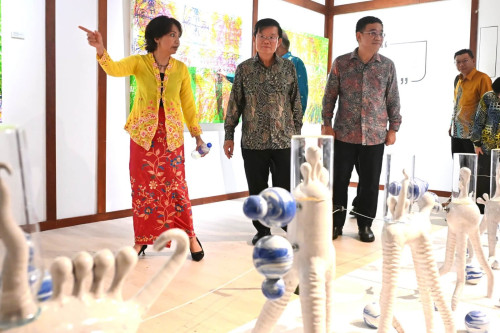
The kebaya is an upper garment that symbolises the cultural heritage and identity of Malays, Peranakan Chinese, Chitty and other communities in Malaysia and Southeast Asian countries.
The kebaya meets the definition of an intangible cultural heritage element because it involves traditional weaving skills – such as embroidery (of motifs) and sewing techniques.
The traditional garment is also closely related to other forms of cultural heritage such as festivals and weddings.
Unesco, under the 2003 Convention for the Protection of Intangible Cultural Heritage, places great emphasis on joint (multi-national) nominations to make culture a platform for mutual understanding and dialogue.
This makes the listing process an opportunity for strategic cooperation at the international level. – Bernama, November 24, 2022