
ABOUT 50 per cent of all food & beverage (F&B) outlets are expected to close within a year of operating due to intense competition to win over Malaysian consumers.
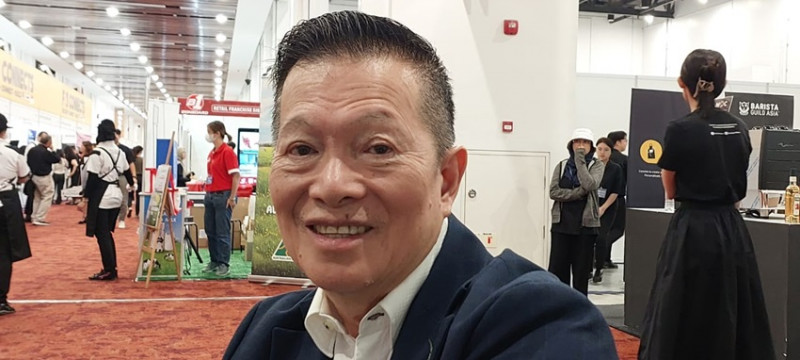
Out of this, only 20 to 30 per cent of such establishments in the country would continue to operate into their fifth year due to competition and rising operational costs as well as external economic factors like inflation and tourist arrivals, said Malaysia Retail Chain Association president, Datuk Seri Garry Chua.
Speaking on the sidelines of the annual Retail Solutions Expo (Resonax) at the Bukit Jalil Pavilion, in Kuala Lumpur, Chua said while there is great interest in selling and marketing food, the reality out there is that competition is intense.
Resonax offers exhibitors a chance to network and tap into the latest range of solutions offered in the commercial F&B market for three days.
Chua also urged small and medium enterprises (SMEs) which are keen to invest in the food business to realise that while the yield and branding aspects may be profitable, there is also a downside of too much competition in F & B.
He recommended innovation and quality service to be a big part in serving food, emphasising nutrition and quality.
There is also a need for affordable meals in the face of an economy mired by inflation.
"We could also do with support from mall operators and property owners to reduce rental while utility providers could also offer some rebates for food entrepreneurs to survive in the current challenging times."
Now, there are hardly any incentives for the industry to remain competitive, he noted.
There is also a need to curb the use of recycled cooking oil to conserve costs, Chua said, adding that concerns about nutrients in meals must be of paramount importance in the F&B industry.
Chua also urged operators to reduce dependence on sugar despite Malaysians’ love of sugary-laced food and drinks.
He added that the industry can also be boosted if the country reduces its reliance on food imports, as this can drive costs down.
Chua also spoke about how social media and key media influencers have become important in marketing certain outlets.
He cited an example of how a famous artist had helped a struggling outlet rebound just by patronising it and endorsing the coffee there. - The Vibes, November 18, 2023.