
THE national Madani government recently asked several government agencies to adopt villages throughout the country and help with basic social amenities and public services so villagers can enjoy a better quality of life.
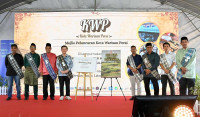
The National Kenaf and Tobacco Board (LKTN) was among agencies selected for the task and have since ‘adopted’ Kampung Kandek, Dabong in Kuala Krai, Kelantan.
The village was chosen due to the pressing need to improve the quality of life in the rural heartland.
LKTN chairman Datuk Wan Abdul Rahim Wan Abdullah said the initiative is one of a kind but an interesting proposition to enable a government agency to adopt a village.
The scheme sees LKTN officers been deployed to the village to assist the villagers in meeting their requests for basic amenities such as upgrading a football pitch and erecting recreational spots for them to enjoy brisk walks and for children to play.
Kampung Kandek comes under the purview of the board director-general Wan Baharuddin Wan Ismail.
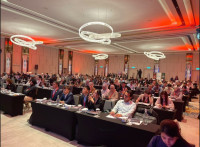
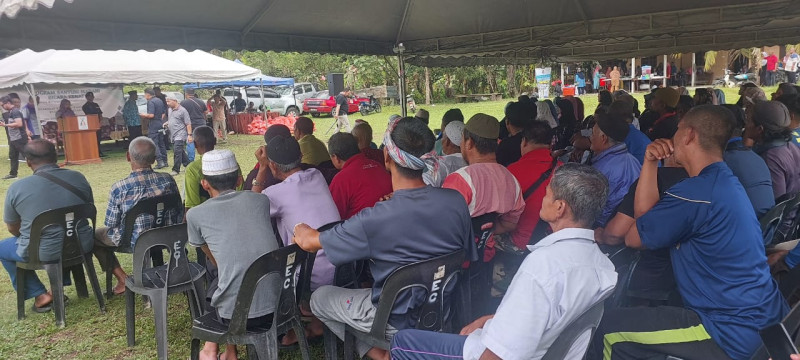
For starters, Rahim led a LKTN delegation together with the firemen, police and other rural specialised agencies such as Risda, Kesedar and Tabung Haji for dialogue with the community leaders at Kampung Kandek.
During the dialogues, the villagers sought for their football pitch to be upgraded, more jobs and recreational grounds.
Rahim said that the board will work to resolve their requests, including the football pitch, which has some overlapping land ownership claims.
The main focus of the board with the help of the other authorities, are poverty eradication, school dropouts, public health, unemployment, safety, drug abuse and social amenities.
LKTN officers would be deployed to the village from time to time to address such issues, said Rahim.
There would also be emphasis placed on fostering trust and cooperation.
The local authorities such as the district council of Dabong would also be roped in to assist, he said.
At the same time, Rahim said that the board will hold activities to generate awareness about growing kenaf as a supplemental commercial plant to other renowned plantation or estate schemes such as rubber, palm oil, padi and coconuts.
For this year, the Kelantan LKTN plans to grow kenaf in 181.20ha land, of which 121.20ha has been set aside to produce fibre from kenaf and 60ha to grow food for livestock.
For tobacco, LKTN in Kelantan has issued permits to distribute and export tobacco to 2,125 premises as of last year where it generated licensing fees worth RM318,750.
Kenaf or scientifically known as Hibiscus cannabinus, is a short-term, fibrous plant that resembles a shrub. - March 17, 2025.