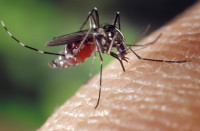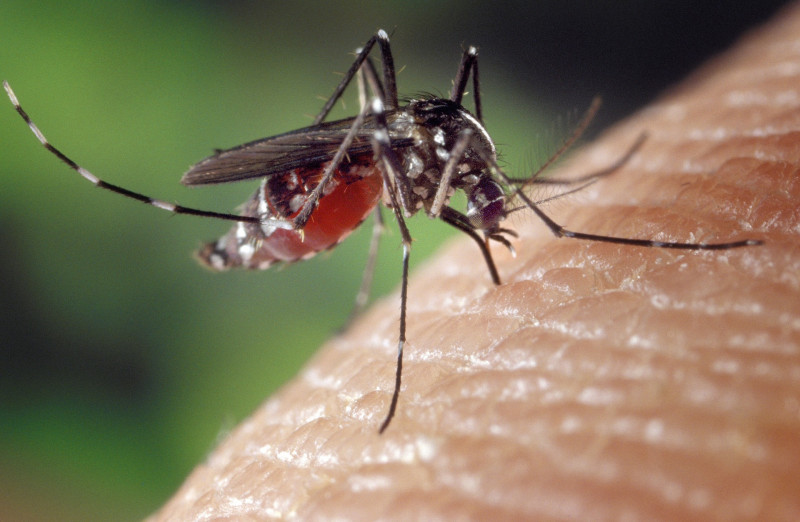
DENGUE fever, a mosquito-borne illness, continues to pose a significant public health challenge in Malaysia.
Last year, the country recorded more than 123,000 cases, up 86.5 percent from 66,102 in 2022. It was the highest number of cases recorded since 2019, with over 130,000 infections reported. In 2023, 100 people died due to dengue-related complications, compared with 56 deaths in 2022.
Combatting dengue requires a multifaceted approach. Embracing new technologies, monitoring and controlling transmission and sustaining community engagement are essential measures. Addressing knowledge gaps, empowering individuals and fostering partnerships are also crucial for long-term success.
Lack of understanding and misinformation about dengue are the biggest barriers to adopting safe practices. Without adequate knowledge of the dangers of dengue and its severity, which might even result in death, individuals usually perceive the issue as "If I'm infected with dengue, I will be fine".
Even with a relatively low mortality rate, the cost of dengue is high. In 2010, Malaysia spent almost USD$75 million (RM 240 million), equivalent to 0.03 percent of the country's GDP, on its national Dengue Vector Control Programme, and the cost is expected to be higher now.
The amount required for dengue prevention and control activities in 2021 was RM31 million (USD$6.5 million). However, due to financial constraints, only RM8,006,700.00 (USD$1.7 million) was allocated to the vector-borne disease sector and disease control division, under the Ministry of Health. The reduction of 75 percent from the actual requirement will affect dengue prevention and control activities in the field and will contribute to the increase in dengue cases.
While conventional methods like fogging and larviciding are typically used for insect control to reduce dengue transmission, newer approaches are being implemented for more long-lasting and environmentally sustainable control.
MoH technology
The eDengue system introduced in 2009 provides real-time data on cases, enabling efficient case management, outbreak detection, and targeted interventions. This system integrates with the eNotification system, iDengue, for mandatory reporting and the Dengue Outbreak Management System for swift responses. This data-driven approach informs resource allocation and policy decisions, ensuring proactive measures.
The eNotification system follows the provisions of the Prevention Act and The Control of Infectious Diseases 1988 (Act 342) which mandates that all cases of suspected dengue fever must be notified to the nearest district health office by a medical practitioner within 24 hours. The system has been widely used in all government and private health facilities.
Recognising the limitations of traditional methods, the Ministry of Health seeks international collaboration to develop advanced dengue forecast models. These models, powered by machine learning, predict potential outbreaks and guide preventive actions. Sharing this information with stakeholders involved in urban ecosystem management allows proactive efforts to eliminate mosquito breeding sites before outbreaks occur.
The Dengue Virus Serotype Surveillance System run by the Ministry of Health closely monitors the dominant serotypes circulating in the environment. Early detection of shifts in serotype prevalence allows health officials to prepare for potential outbreaks of more severe strains. Malaysia's National Public Health Laboratory coordinates this programme, providing crucial data for informed responses.
Community engagement essential
The Communication for Behavioural Impact (COMBI) programme, a World Health Organisation initiative, promotes behavioural change through trained volunteers who conduct home visits, distribute educational materials and organise community activities. A COMBI information system developed in 2015 enables online monitoring and evaluation of these activities, ensuring effectiveness and continuous improvement. Currently, the online system is only available on a web-based version and Android mobile platform.
COMBI emphasises local leadership to ensure its long-term effectiveness. Identifying local champions within communities and mobilising local organisations fosters ownership and sustained action. Continuous communication and education reinforce preventive behaviours, encouraging individuals to take responsibility for keeping a clean environment.
Engaging private entities and NGOs through corporate social responsibility initiatives like the dengue patrol programme in schools and the Dengue Free Malaysia Movement expands outreach and resources, leveraging the strengths of various stakeholders in tackling the dengue epidemic.
Raising awareness about the dangers of dengue and its complications motivates individuals to act. Well-informed communities actively participate in prevention efforts, empowered through continuous reminders, accessible information platforms like iDengue, and collaborative efforts with relevant authorities.
Data from eDengueV2, a new system upgraded in 2016, empowers public health officials to identify potential outbreak areas and implement timely interventions. This early warning and response system helps break the chain of transmission and mitigate outbreaks, protecting vulnerable communities. – 360info, February 18, 2024
Rozita Hod is a professor of environmental health at the Universiti Kebangsaan Malaysia (UKM), specialising in public health, environmental epidemiology, and health impacts of climate change.
Published under Creative Commons and in partnership with 360info.org